Most organizations don't lack a strategic plan. They lack one that anyone uses. The plan gets written, presented and filed, and six months later the leadership team is back to reacting to whatever is happening that week.
A strategic planning retreat is how many leaders break that cycle. It gives the people who set direction enough time, quiet and distance to look honestly at where the organization stands and agree on what comes next. The difference between a retreat that changes things and one that produces another binder usually comes down to three things: the agenda, the questions and the setting.
This guide covers all three, for CEOs, executive directors and board chairs alike. If you're already comparing locations, our page on choosing a corporate retreat venue in Georgia shows what Heritage offers planning teams.
What Is a Strategic Planning Retreat?
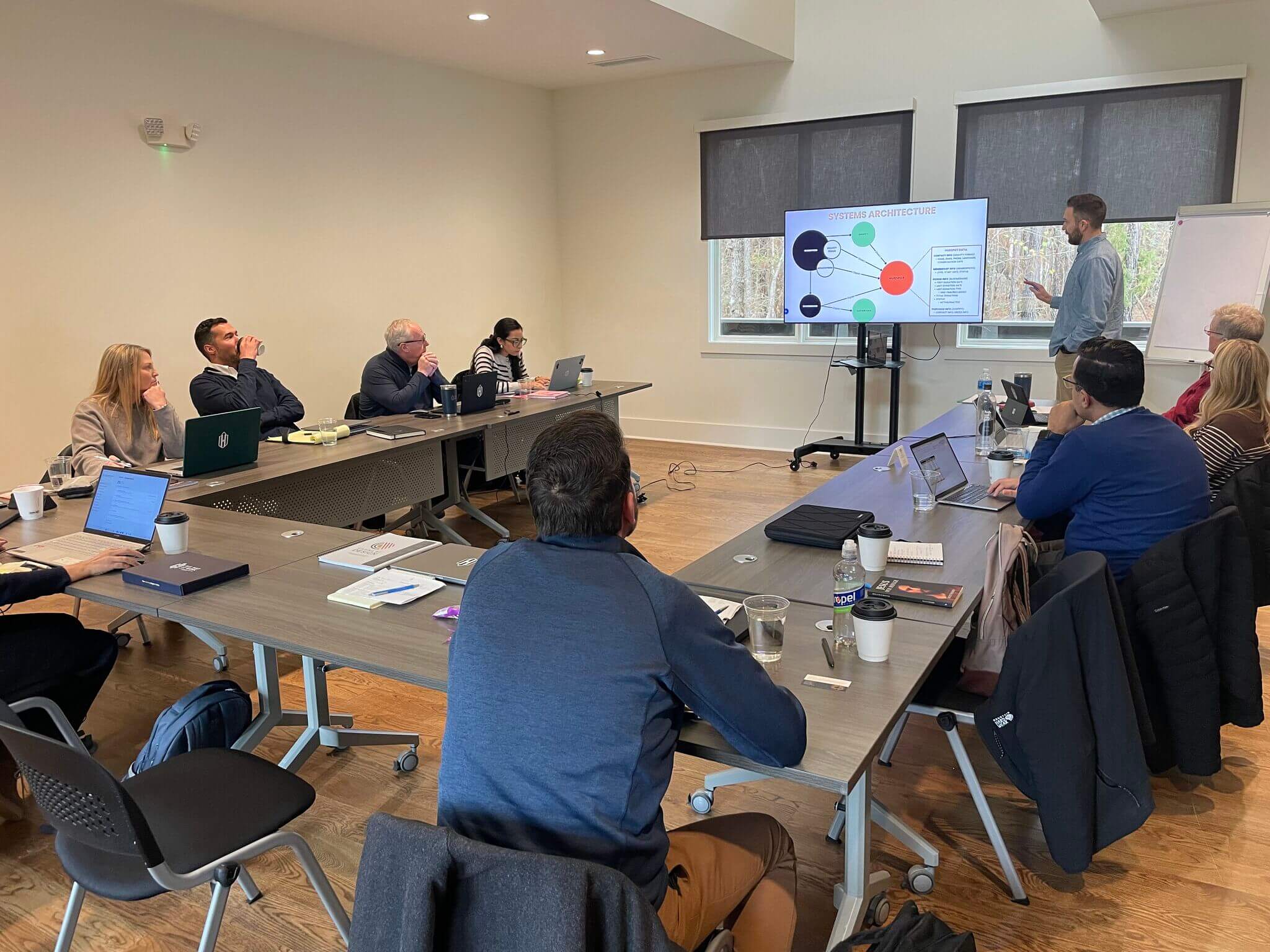
A strategic planning retreat is a focused gathering, usually one or two days, held away from the office, where an organization's leaders review results, assess the landscape and choose the few priorities that will guide the next one to three years. It might include the executive team, the board or both. The goal isn't a longer meeting. It's a set of decisions with owners attached.
People also call it a strategic retreat or a strategy retreat, and the meaning is the same. What sets it apart from a regular strategy meeting is depth. A 90-minute session can track progress, but it can't hold the kind of deep work that rethinking direction requires.
The purpose of a strategic retreat is clarity. Leaders leave knowing what matters most, what they'll stop doing, and who is responsible for what. That shared clarity is where buy in comes from, because people support the plans they helped shape. It's also a great opportunity to step out of running the business and look at the organization from the outside.
How Do You Prepare for a Strategic Planning Session?
The best retreats are half finished before anyone travels. Preparation turns the time together into real work rather than a long briefing. Start in advance.
First, create an agenda.. Include results against the current strategic plan, financial trends, feedback from customers, donors or members, and a page on changes and current trends in your market or community.
Second, it is helpful to send a pre-survey to participants and a few key stakeholders. Three or four open questions are enough: what's working, what isn't, and what the organization should stop doing. Canada's Business Development Bank recommends the same approach, asking attendees to review the existing plan and circulating questionnaires before the event.
Third, decide who attends. Invite the people who will set the strategy and those who will carry it out. A board retreat, where directors step back from routine governance to set long-term direction, follows the same pattern. If your board is part of the process, our guide to planning a board retreat covers how governance work fits in. Finally, decide whether an outside facilitator will lead the sessions, especially if the CEO or chair needs to take part fully.
What Should a Strategic Planning Retreat Agenda Include?
A strategic planning retreat agenda should move in one direction: from looking back, to looking forward , to choosing, to committing. Each block builds on the one before it. Balance open brainstorming with time for decisions, so the group doesn't run short before the critical choices. Most teams find that three days, with two overnights in between, give them enough time to do it well.
Here's a sample strategic planning meeting agenda you can adapt:
Day One
- Morning, look back: review results against the last plan, celebrate what went well and name what didn't.
- Late morning, scan the landscape: walk through the full agenda,, survey themes, and the opportunities and threats ahead.
- Afternoon, revisit direction: test whether your mission,visionstatement,and action plan still fit, then brainstorm possible solutions and priorities in small groups.
- Evening: dinner with no agenda, just further conversations which give ideas time to settle and prepare for what’s ahead..
Day Two
- Morning, choose: narrow the options to three to five strategic priorities and agree on what you'll set aside.
- Late morning, define success: name one or two measures, or key results, for each priority so you can track progress.
- Afternoon, commit: assign an owner, a deadline and the resources each priority needs, then agree on next steps and how you'll communicate the plan.
A one-day version keeps the same order and trims the discussion time. This agenda is built for strategy, so it differs from a team-focused gathering. For that kind of retreat, see our sample leadership retreat agenda.
What Questions Should You Ask in Strategic Planning?
Good strategic planning questions do the heavy lifting in every session. They keep the group honest and stop the conversation from drifting into operations. Use a few key questions at each stage rather than a long list.
Looking Back
- What did we set out to achieve, and what actually happened?
- Which results are we proudest of, and why did they work?
- Where did we spend time or money without real progress?
Looking Forward
- What has changed for the people we serve?
- Which trends could help or hurt us over the next three years?
- What are we hearing from stakeholders that we haven't acted on?
Choosing
- If we could only accomplish three things, what would they be?
- What should we stop doing to make room for them?
- Does each priority clearly serve our mission?
Committing
- Who owns each priority, and what will success look like in 12 months?
- What resources does each one need?
- When will we review progress together?
How Do You Facilitate a Strategic Planning Session?
Running a strategic planning meeting well is more about protecting the conversation. Whoever leads should keep time, draw out quieter voices and make sure decisions are captured as they happen.
Agree on ground rules at the start, including how decisions will be made. Ask everyone to wear their organization hat rather than speak only for their own department, which helps break down silos.
Use a visible parking lot for important topics that don't belong in this meeting. Break into small groups for creative thinking, then bring ideas back to the full room to decide. And ask the most senior person to speak last, so their view doesn't close the discussion too early. Keep strategy sessions to about 90 minutes, with real breaks, so engagement stays high.
An outside facilitator is worth considering when the topics are sensitive or when the person who usually leads needs to participate. For a small company or a straightforward plan, a well-prepared internal leader can facilitate just as well.
How Do You Turn Retreat Decisions Into a Plan?
This is where most strategic retreats fall short. Follow through has to be planned before the retreat ends.
Within a week, turn the decisions into an implementation plan. List the three to five priorities, the outcomes each should deliver, the owner of each, one or two measures, and the first milestone. . Make sure each owner has the ability and control over resources to deliver, and involve a wider group of staff in developing the detailed execution plans.
Share a short summary with key employees who weren't in the room, so the plan becomes part of everyday communication. Then set review points at 30, 60 and 90 days, and put the date for your next retreat on the calendar. That rhythm is what builds accountability and turns a strategic planning process into execution.
How Do You Choose the Right Setting for a Strategy Retreat?
A hotel meeting room with other events next door, or an office conference room down the hall from daily demands, makes focus hard to hold. The right place supports the conversation without competing for attention.
Look for a meeting room sized for your group, with separate space for breakout discussions. Privacy matters, so no other groups share your meeting space or dining room. Meals should be handled on site, which keeps conversations going over lunch, and good food with regular breaks helps a group stay sharp through a long day. And there should be somewhere to step outside and think between sessions.
Heritage offers that kind of setting on 200 quiet acres near Crawfordville, Georgia, about two hours from Atlanta just off Interstate 20. The meeting rooms at Pine Lodge include a Boardroom for up to 12, a “Classroom” for up to 36 and a Great Room for larger sessions, so a team can move from full-group discussion to breakouts without leaving the building.
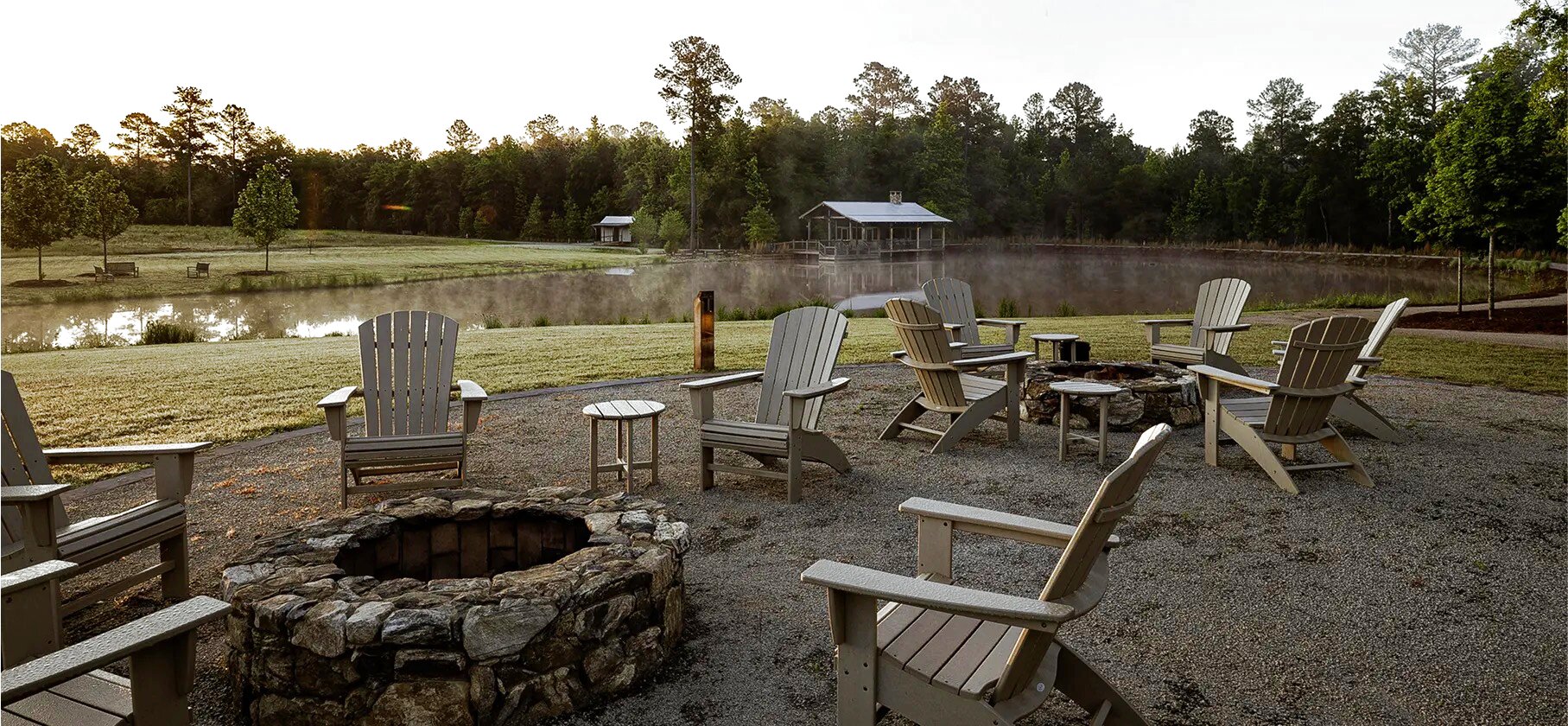
All meals from arrival through departure are included with overnight stays, and whole-property buyouts mean your group has the grounds to itself. Between sessions, people can walk the trails or gather at the fire pits in the evening. The property is also home to Georgia's oldest Catholic settlement and the historic Church of the Purification. Heritage welcomes all groups whose use of the facilities aligns with its mission and honors Christian sensibilities. For gatherings focused on team growth rather than strategy, see our page on leadership retreats in Georgia.
Giving Your Strategy Room to Take Shape
A strategic planning retreat works when the pieces fit together: preparation that brings real information into the room, an agenda that moves from reflection to decision, questions that keep everyone honest, and follow-through that turns a strategic vision into action. Get those right, and your plan becomes something people use rather than something they file.
The right setting won't write your strategy, but it can give your team the quiet and focus to do its best thinking. When you're ready, explore corporate retreats at Heritage and see whether it's the right place for your next planning session.
Frequently Asked Questions
What Is a Strategic Retreat?
A strategic retreat is a dedicated gathering, held away from the office, where an organization's leaders review performance, discuss the future and agree on the priorities that will guide the coming years.
What Is the Purpose of a Strategic Retreat?
Its purpose is to give leaders the time and distance to make clear decisions about direction. A good one ends with a short list of priorities, named owners and a plan for follow-up.
What Are the 5 Stages of Strategic Planning?
Frameworks vary, but most follow five stages: assess where you are, set direction, choose priorities, implement the plan, and monitor and adjust. A retreat usually covers the first three and sets up the last two.
How Long Should a Strategic Planning Retreat Be?
Three full days with two overnights work well for most teams.
Do You Need an Outside Facilitator?
Not always. An outside facilitator helps when topics are sensitive or when the usual leader wants to participate fully.
{
  "@type": "FAQPage",
  "@id": "https://www.heritagega.org/blog/strategic-planning-retreat-guide#faq",
  "mainEntity": [
    {
      "@type": "Question",
      "name": "What Is a Strategic Retreat?",
      "acceptedAnswer": { "@type": "Answer", "text": "A strategic retreat is a dedicated gathering, held away from the office, where an organization's leaders review performance, discuss the future and agree on the priorities that will guide the coming years." }
    },
    {
      "@type": "Question",
      "name": "What Is the Purpose of a Strategic Retreat?",
      "acceptedAnswer": { "@type": "Answer", "text": "Its purpose is to give leaders the time and distance to make clear decisions about direction. A good one ends with a short list of priorities, named owners and a plan for follow-up." }
    },
    {
      "@type": "Question",
      "name": "What Are the 5 Stages of Strategic Planning?",
      "acceptedAnswer": { "@type": "Answer", "text": "Frameworks vary, but most follow five stages: assess where you are, set direction, choose priorities, implement the plan, and monitor and adjust. A retreat usually covers the first three and sets up the last two." }
    },
    {
      "@type": "Question",
      "name": "How Long Should a Strategic Planning Retreat Be?",
      "acceptedAnswer": { "@type": "Answer", "text": "Three full days with two overnights work well for most teams." }
    },
    {
      "@type": "Question",
      "name": "Do You Need an Outside Facilitator?",
      "acceptedAnswer": { "@type": "Answer", "text": "Not always. An outside facilitator helps when topics are sensitive or when the usual leader wants to participate fully." }
    }
  ]
}