Most teams have been on at least one offsite that looked great in the photos and changed nothing in terms of their team dynamic. Everyone enjoyed the escape room, the dinner was good, and by the following Tuesday the same people were talking past each other in the same meetings.
The problem usually isn't effort. It's that the retreat was planned around activities instead of what the team actually needed, which is almost always trust. This guide walks through how to plan a team building retreat that builds it: setting goals, sequencing the agenda, choosing activities that earn their place, and following through afterward. If you're weighing a venue for your next company retreat, our page on corporate retreats in Georgia explains how Heritage hosts teams on its quiet 200-acre property.
What Is a Team Building Retreat?
A team building retreat is time a team spends together away from the normal work environment, usually one to three days, so it can work better together when it returns. A team retreat can include strategic planning or training sessions, but its main purpose is to build relationships between the people in the room.
That's what separates it from a conference or a corporate retreat built mostly around presentations. A planning meeting asks, "What should we do next year?" A team building retreat asks, "How do we become a team that can actually do it?"
Why Do So Many Team Retreats Fail to Build Trust?
Most creative corporate retreat ideas online are lists of fun activities: escape rooms, horseback riding, cooking classes, a scavenger hunt, a team sport. Those team building exercises can boost morale, but fun and trust aren't the same thing, and a packed schedule can crowd out the conversations that matter.
Retreats usually fall flat for a few predictable reasons: there's no clear goal, leaders stay guarded, every hour is scheduled so there's no free time for real team bonding, and nothing happens after the event ends. Each of these is a planning choice, and each can be fixed before anyone packs a bag.
How Do You Build Trust in a Team?
Trust grows when people see each other be honest, reliable, and willing to admit what they don't know. Google's Project Aristotle study of its own teams found that psychological safety, the belief that you won't be punished for speaking up or making a mistake, was the most important factor in team effectiveness. Patrick Lencioni's The Five Dysfunctions of a Team puts the absence of trust at the base of every other team problem.
The payoff is real. In the Harvard Business Review article "The Neuroscience of Trust," Paul J. Zak reported that people at high-trust companies described 74% less stress, 106% more energy at work, 50% higher productivity, and 76% more engagement. Trust sits underneath employee engagement and company morale, not the other way around.
A retreat can speed trust up in a few practical ways:
- Leaders go first. The fastest way to build trust in a team as a leader is to model it, such as naming a decision you'd make differently. When team leaders are candid, team members follow.
- Disagreement is invited. Healthy conflict about ideas is a sign of trust, not a threat to it.
- Commitments are specific. Reliability builds trust, and it starts with knowing exactly who agreed to do what.
What Are Good Goals for a Team Building Retreat?
Every strong retreat starts with one question: what should be different about how this team works when we get back? Answering it before you book anything shapes the rest of the retreat planning process, from venue selection to how much free time you leave.
Good retreat goals are specific. You might help different departments understand how each other works, improve communication between a leadership team and staff members, rebuild team cohesion after a reorganization, make room for professional development, or give remote and hybrid companies a chance to build relationships that video calls rarely create. Pick one or two, not five. A focused retreat does more for company culture than one that tries to fix everything at once.
What Should Be Included in a Team Retreat Agenda?
A trust-building agenda moves in a deliberate order: connection, then honest conversation, then shared commitments. People won't speak candidly on the first morning with colleagues they barely know, and commitments made without honest conversation tend to be polite rather than real.
Start with connection. Open with an unhurried arrival, a meal together, and a short session where the leader explains why everyone is there.
Move into honest conversation. Give real time to the issues the team usually avoids. This is where strategic sessions, problem solving on actual challenges, and candid talk about team dynamics belong.
Close with shared commitments. Agree on a short list of changes, who owns each one, and when the team will check progress, and write them down in the same room.
For a one-day company retreat, that might mean a morning of connection and goal-setting, an afternoon on one or two real problems, and a final hour on commitments. For an hour-by-hour example, see our sample leadership retreat agenda.
Which Team Building Activities for a Work Retreat Actually Build Trust?
When choosing team building activities for a work retreat, ask whether each one helps people understand each other, practice honest conversation, or solve a real problem together.
These trust building activities for teams tend to earn their place:
- Personal histories. Each person shares where they grew up and the hardest job they've ever had. It's low-risk and surprisingly powerful for building stronger relationships among team members.
- "How I work best" conversations. Team members share their working styles and how others can help, which improves communication almost immediately.
- Real problem solving. Small groups tackle a genuine challenge instead of a hypothetical case study, building problem solving skills and trust at the same time.
- Walking conversations. Pairs take a walk with one or two questions to discuss. Side-by-side conversations outdoors are often easier than face-to-face ones in a meeting room.
There's still a place for lighter moments. Icebreaker games help newer team members settle in, and a game night with board games, a campfire, or activities that encourage friendly competition help people see each other outside their job titles. For more ideas, read our guide to corporate retreat activities.
Why Do Free Time and Shared Meals Matter So Much?
Ask people what they remember from a great retreat, and many will describe a conversation over dinner or a walk after the last session. Shared meals and free time strengthen relationships in ways a meeting agenda can't, because that's where people talk about their families, doubts, and ideas without an agenda.
Protect that time on purpose. Leave an hour or two each day unscheduled, treat meals as part of the program, and mix seating so people from different departments sit together. This matters even more for smaller teams and for remote teams whose members rarely share the same room.
How Do You Keep Trust Growing After the Retreat?
Even a well planned company retreat can lose its momentum within a month if nothing in the team's normal week reinforces what they agreed to. Send a short summary of the commitments within a few days, revisit them at team meetings 30 and 90 days later, and keep the leader's candor going.
Gather honest feedback, too, ideally with a short feedback form sent while impressions are still fresh. If you're planning from scratch, our step-by-step retreat planning checklist covers the logistics.
Why Does the Setting Matter for a Team Building Retreat?
Where you gather shapes how people behave. A busy hotel keeps everyone half-connected to email, while a quiet setting slows the pace down, which is exactly what honest conversation needs. When comparing venues for your next corporate retreat, look for meeting spaces sized to your group, outdoor space for walks, and meals handled on site.
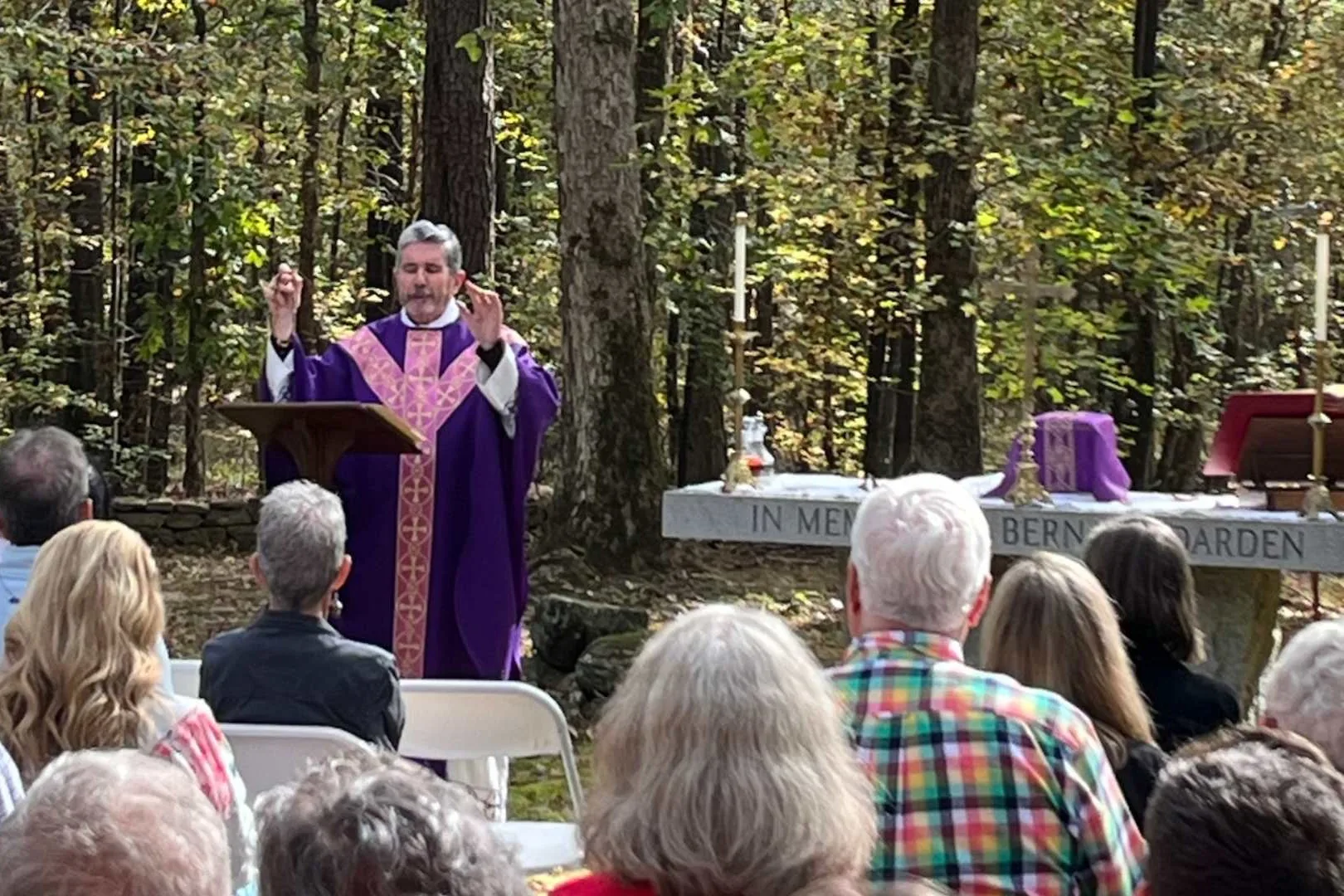
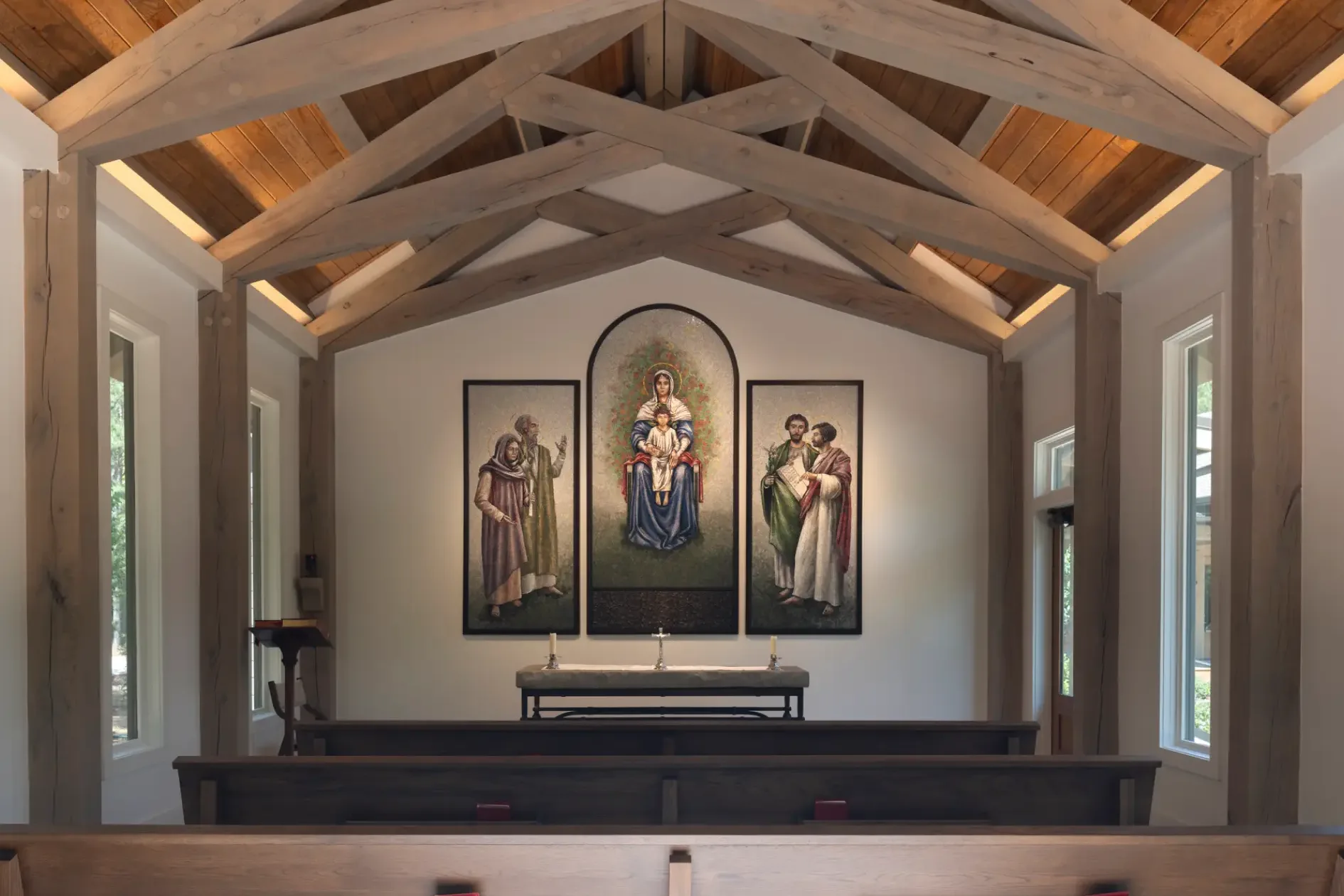
Heritage is a peaceful retreat destination on about 200 acres near rural Crawfordville, Georgia, under two hours from Atlanta. It's home to Georgia's oldest Catholic settlement and the historic Church of the Purification. Heritage welcomes businesses, nonprofits, and mission-driven organizations of all backgrounds.
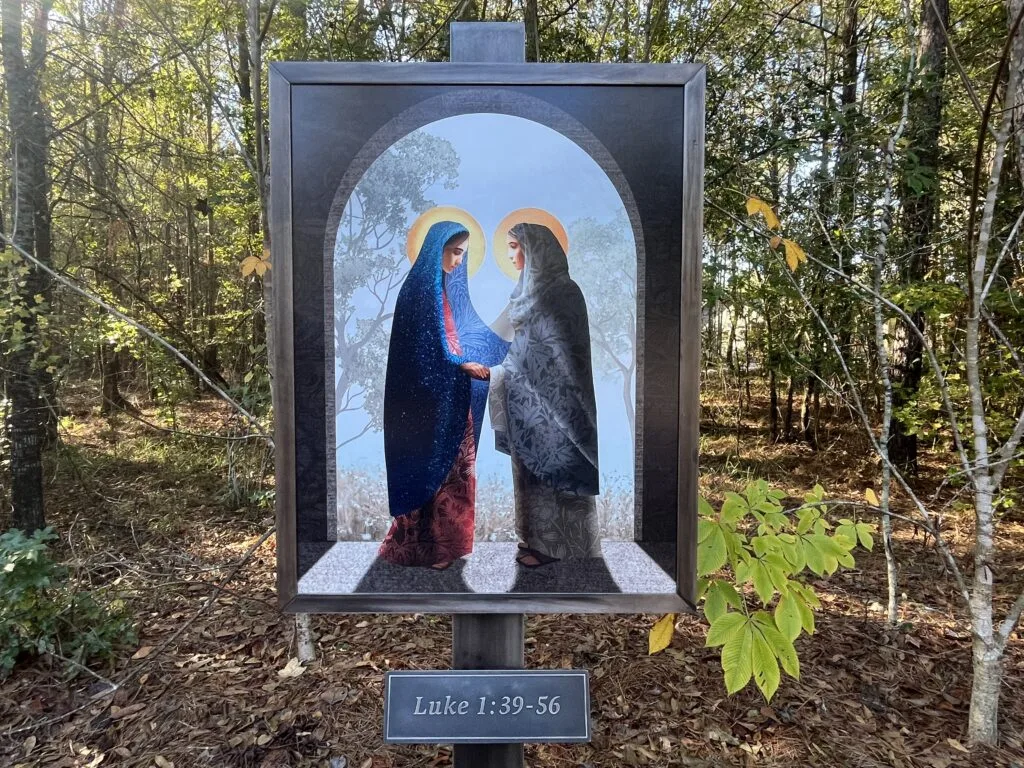
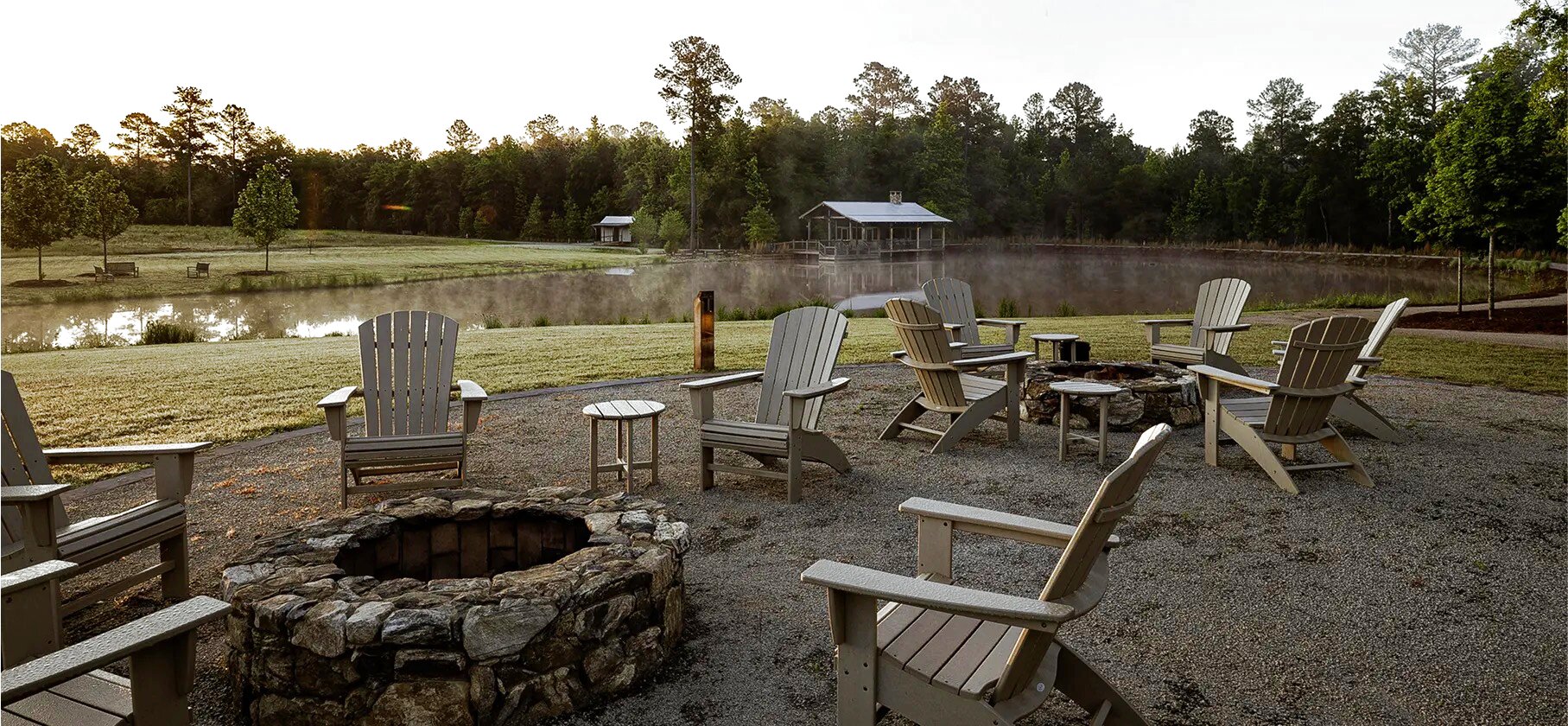
Teams gather in the meeting space at Pine Lodge, from a 12-person Boardroom to a Great Room that holds up to 120, with a screened porch and courtyard for breakouts. Overnight group rates include chef-prepared meals from arrival through departure, and walking trails, prayer gardens, and fire pits give people natural places for unhurried conversation. Heritage provides the setting and hospitality, while your team leads its own program.
Building a Team That Trusts Each Other
A team building retreat works best when it's planned around trust rather than activities. Start with a clear goal, move from connection to honest conversation to shared commitments, let leaders go first, protect free time, and follow through once the retreat is over. That's the difference between a pleasant offsite and a successful corporate retreat.
Done well, a single retreat can change how a team talks, decides, and supports one another for years. If you're looking for a quiet place to make that happen, we'd be glad to help. Explore corporate retreats at Heritage or reach out to our team to start the conversation.
Frequently Asked Questions
What Is a Staff Retreat?
A staff retreat is a gathering where employees step away from the office for a day or more to reconnect, reflect on the past year, and plan ahead together. Most combine team building activities with strategic sessions, shared meals, and free time.
What Are Some Good Goals for a Staff Retreat?
Strong goals are specific: improving communication between departments, rebuilding trust after a hard season, aligning the team around company goals, or welcoming new team members. Choose one or two and plan every session around them.
What Are Some Fun Team Building Experiences That Still Build Trust?
Game nights, campfires, outdoor walks, volunteer work, and shared meals are enjoyable and create room for real conversation. Balance them with time for honest discussion so the fun supports your goals.
How Long Should a Team Building Retreat Be?
A one-day retreat works well for a focused goal, especially for a small staff. For deeper trust building, an overnight retreat gives people time to settle in. Offsite, a corporate retreat planning company, notes that many corporate retreats run two nights and three days.
How Much Does a Team Retreat Cost?
Costs depend on location, length, group size, and travel. Offsite estimates that most corporate retreats cost $2,000 to $4,000 or more per person. At Heritage, overnight group retreats start at $230 per person per night, including meals.
{
  "@type": "FAQPage",
  "@id": "https://www.heritagega.org/blog/team-building-retreat-planning#faq",
  "mainEntity": [
    {
      "@type": "Question",
      "name": "What Is a Staff Retreat?",
      "acceptedAnswer": { "@type": "Answer", "text": "A staff retreat is a gathering where employees step away from the office for a day or more to reconnect, reflect on the past year, and plan ahead together. Most combine team building activities with strategic sessions, shared meals, and free time." }
    },
    {
      "@type": "Question",
      "name": "What Are Some Good Goals for a Staff Retreat?",
      "acceptedAnswer": { "@type": "Answer", "text": "Strong goals are specific: improving communication between departments, rebuilding trust after a hard season, aligning the team around company goals, or welcoming new team members. Choose one or two and plan every session around them." }
    },
    {
      "@type": "Question",
      "name": "What Are Some Fun Team Building Experiences That Still Build Trust?",
      "acceptedAnswer": { "@type": "Answer", "text": "Game nights, campfires, outdoor walks, volunteer work, and shared meals are enjoyable and create room for real conversation. Balance them with time for honest discussion so the fun supports your goals." }
    },
    {
      "@type": "Question",
      "name": "How Long Should a Team Building Retreat Be?",
      "acceptedAnswer": { "@type": "Answer", "text": "A one-day retreat works well for a focused goal, especially for a small staff. For deeper trust building, an overnight retreat gives people time to settle in. Offsite, a corporate retreat planning company, notes that many corporate retreats run two nights and three days." }
    },
    {
      "@type": "Question",
      "name": "How Much Does a Team Retreat Cost?",
      "acceptedAnswer": { "@type": "Answer", "text": "Costs depend on location, length, group size, and travel. Offsite estimates that most corporate retreats cost $2,000 to $4,000 or more per person. At Heritage, overnight group retreats start at $230 per person per night, including meals." }
    }
  ]
}