Someone has asked you to plan an offsite, and sometimes you're not quite sure where to begin. You know it should be more than a regular meeting in a different room, but the details of who, where and what to do with the time are still blank.
An offsite meeting is a meeting held away from the usual workplace so a team can focus on strategy, planning or connection without daily interruptions. It can last a few hours or a few days. What makes it work isn't the location alone, but how clearly it's planned around what the team needs to accomplish.
This guide walks through what an offsite is, how it differs from a retreat, and a step-by-step plan with a checklist you can use. If you're already weighing locations, our page on choosing a corporate offsite venue in Georgia shows what Heritage offers teams.
What Is an Offsite Meeting?
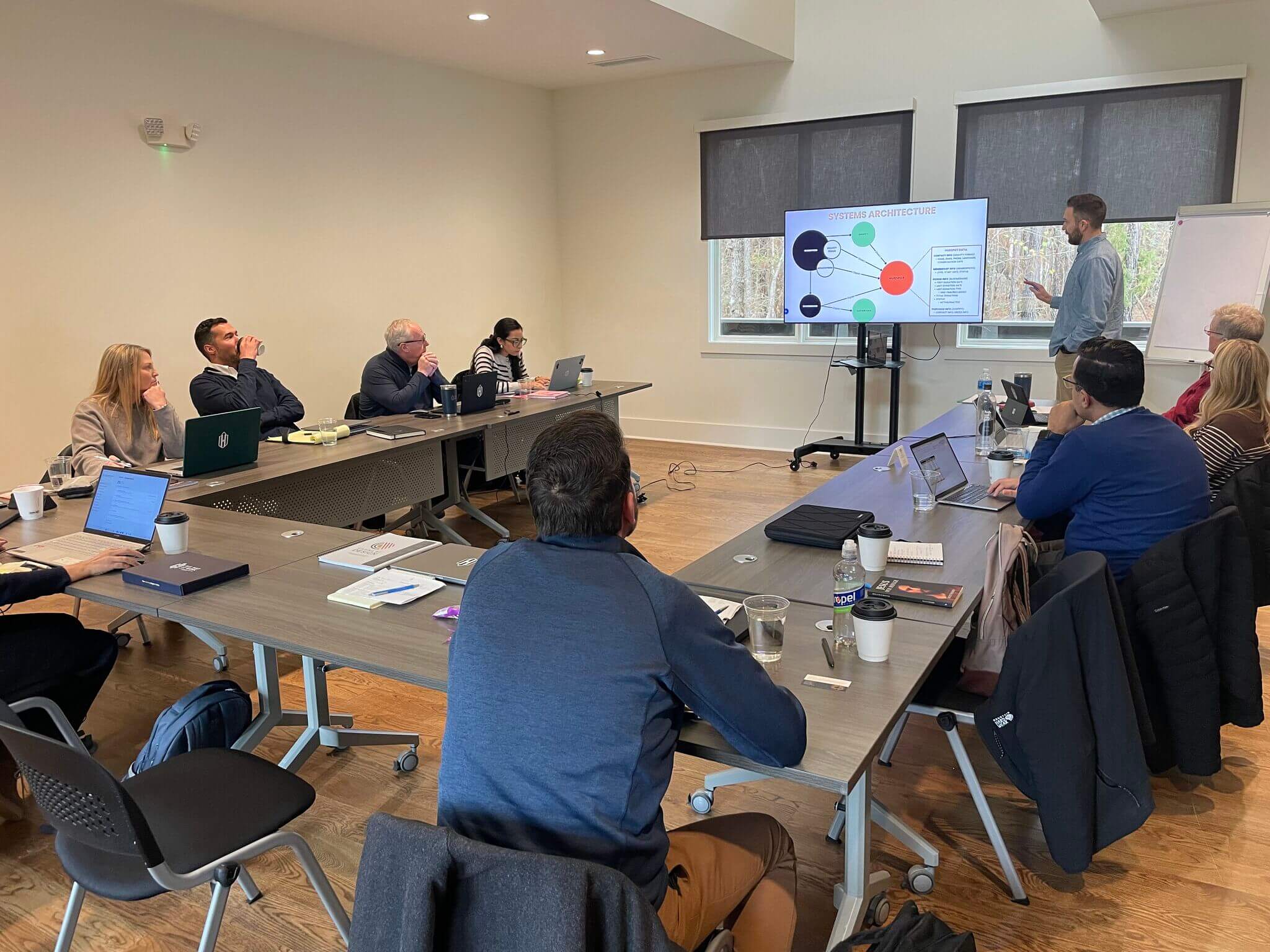
In business, "offsite" simply means away from the office. An offsite meeting takes a group out of its usual office environment, often for a day or multiple days , to work on something that needs more focus than a normal week allows. A team offsite brings together one department or working group, while a company offsite might gather the entire team across several departments.
An offsite differs from a regular meeting in depth and pace. A weekly meeting tracks progress, but an offsite makes room for the big picture: solving a hard problem or rebuilding how a team works together.
It also differs from a retreat, though the terms often overlap. A team retreat or company retreat usually includes overnight stays and more unstructured time, with reflection and relationships at the center. Many offsite meetings are single working days or one overnight. Others grow into retreats, and the planning steps below work for both.
Why Do Teams Hold Offsite Meetings?
Most teams don't lack effort. They lack uninterrupted time to think together. In the office, every conversation competes with email, chat and the next call, so the most important discussions keep getting postponed.
A new space changes that. Leaving the building signals that this time is different, which helps people focus on business goals instead of daily tasks. It also encourages creative thinking, because familiar rooms tend to produce familiar ideas, while a change of scenery can spark creativity and new ideas.
Offsites matter even more for distributed teams. When remote employees rarely share a room, a day or two together can build stronger relationships on a personal level, and those relationships make every future interaction easier. Time together can also boost morale and foster connection in ways that are hard to create in the office or with remote employees..
How Do You Plan an Offsite Meeting?
Good offsite planning follows a simple order: decide why you're meeting, then who, when, where and how.. These seven steps keep the planning process on track.
1. Set One or Two Outcomes
Start with the question every attendee will ask: what are we meeting to accomplish? Write down one or two outcomes, such as agreeing on next year's priorities or launching a new project with a clear plan. Make each one specific enough that you'll know at the end whether you achieved it. Before you decide, ask team leaders and a few participants which team challenges they most want to work on. If you can't name the outcome, the offsite isn't ready to schedule.
2. Choose Dates and Attendees
Invite the people who need to shape the outcome.. Talk with key stakeholders early, and form a small planning team if the group is large. For a one-day offsite, twosix to eight weeks of lead time is usually enough. For multiple days with travel and lodging, allow one to two months, and for larger groups or popular dates, planners often book the venue six to nine months ahead.
3. Set Your Offsite Budget
A realistic team offsite budget covers the venue, lodging, meals, travel and materials. Start with the bare minimum the offsite needs, then add extras if the budget allows. Ask for all-inclusive pricing where you can, since separate catering, room rental and AV fees add up quickly. Midweek dates and venues with meals included are two of the easiest ways to save money.
4. Choose the Offsite Venue
Venue selection shapes the whole experience. The perfect venue rarely exists, but a good venue choice removes friction for everyone.
Look for meeting space sized for your group, separate rooms for breakouts, natural light, and enough privacy that no other teams share your space. Consider travel time and accessibility for everyone attending. Meals and lodging on site save time and keep conversations going. Room to step outside matters more than most planners expect.
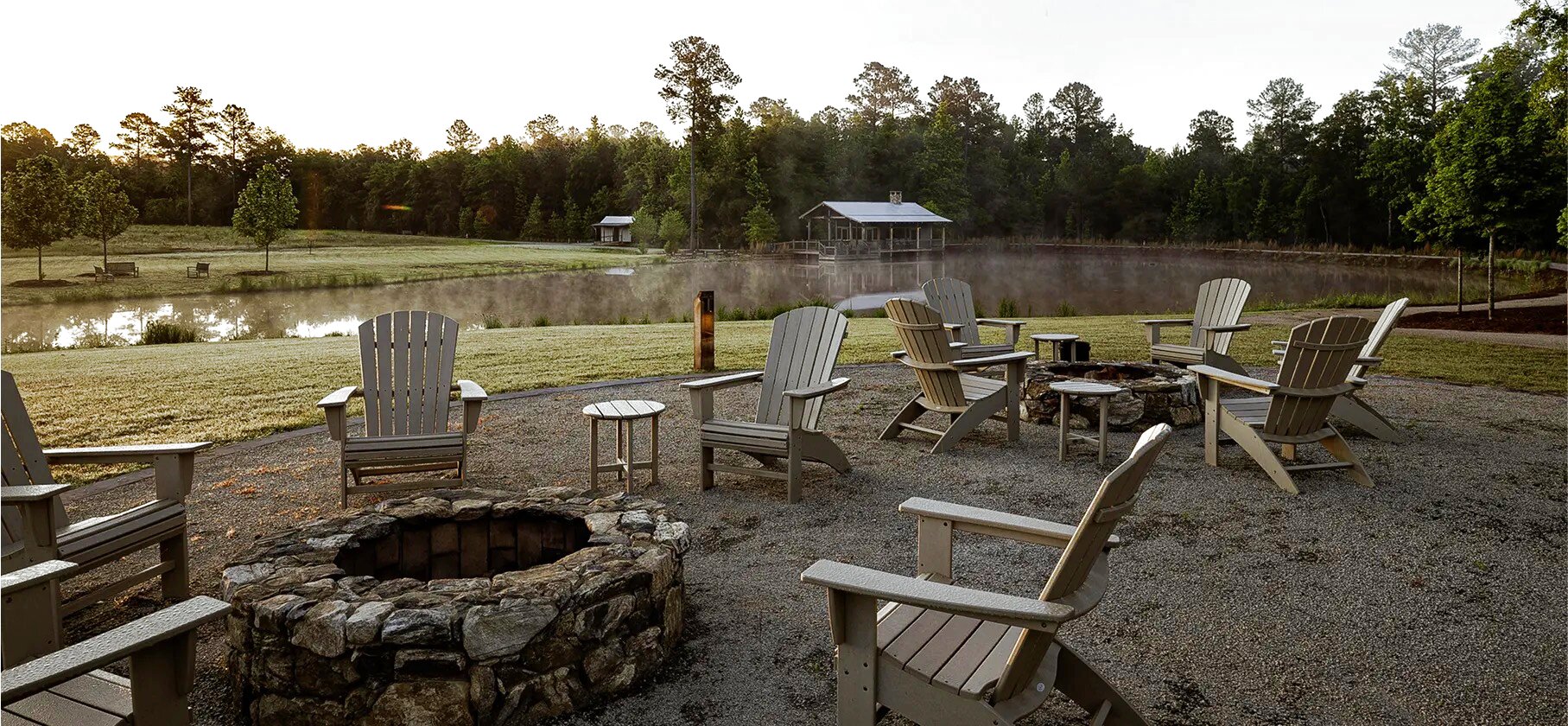
Heritage offers that kind of setting on 200 quiet acres near Crawfordville, Georgia, about two hours from Atlanta just off Interstate 20. Teams work in the meeting space at Pine Lodge, which includes a Boardroom for up to 12, a Classroom for up to 36 and a Great Room for larger sessions. On-site lodging, with several room types from studios to suites, is a short walk from every meeting room, all meals from arrival through departure are included with overnight stays, and whole-property buyouts let a team have the grounds to itself.
5. Build an Offsite Agenda That Breathes
A strong offsite agenda mixes three kinds of time: focused work, connection and downtime. Put the hardest discussions in the morning, when energy is highest, and save lighter sessions for the afternoon. Plan coffee breaks, a shared meal and real free time rather than filling every slot.
Mix full-group discussion with small groups that collaborate on specific problems, which keeps collaboration and energy high. A few optional activities, or relaxed social events in the evening do the rest. Certain activities suit some teams better than others, so ask what people would enjoy.
For an hour-by-hour model, see our sample leadership retreat agenda. For different formats and team building activities, browse our company offsite ideas.
6. Handle the Logistics
Confirm room blocks, room layout, dietary needs, travel and any equipment you'll need. About a week before, send attendees all the information in one message: the purpose, the agenda, what to bring and what to wear. Clear details help everyone stay organized and arrive ready to work.
7. Follow Up Afterward
Within a week, send a short summary of decisions, owners and dates. Then check progress at your next team meeting. Follow-up is what turns a pleasant day into meaningful progress.
What Makes an Offsite Meeting Memorable?
People rarely remember the slides from an offsite. They remember how it felt and what changed afterward. Success doesn't depend on motivational speakers or an elaborate event. A successful offsite meeting usually leaves three things behind.
The first is a decision made together. When a team leaves with a real choice it helped shape, the day feels worth it. The second is a shared experience, often as simple as a long dinner or a walk outside, that helps people foster meaningful connections. The third is visible follow-through, because nothing builds trust in the next offsite like seeing the last one lead somewhere. Creating space for all three is what turns a day away into a memorable experience.
What Should Be Avoided During Offsite Meetings?
Most offsites that disappoint fail in predictable ways. The good news is that each one is easy to prevent with a little planning.
- An over-packed agenda: when every minute is scheduled, the important conversations get cut short.
- Laptops open: if people are answering email, they're not really offsite.
- Too many presentations: share updates in advance and use the time together for discussion.
- Missing people or information: bring the reports and decision makers you'll need, since you can't walk down the hall to find them.
- No follow-up: decisions without owners and dates fade within weeks.
What Belongs on an Offsite Planning Checklist?
A simple offsite planning checklist keeps the details from slipping. Use this list as a starting point and adjust it for your team.
- Define one or two outcomes
- Confirm attendees and key stakeholders
- Choose dates and send a save-the-date
- Set the budget and get approval
- Book the venue, meeting rooms and lodging
- Confirm meals and dietary needs
- Draft the agenda with breaks and free time
- Arrange travel and room layout
- Send pre-reads and logistics a week ahead
- Assign a note-taker for decisions
- Send a follow-up summary within a week
Making Your Next Offsite Count
A good offsite meeting comes down to a few choices made well: a clear purpose, the right people, a venue that supports focus, an agenda with room to breathe, and follow-up that turns decisions into action. Get those right, and your team returns with renewed energy and a shared sense of direction.
The setting won't do the work for you, but it can make the work easier. When you're ready, explore corporate retreats at Heritage and see whether our quiet corner of Georgia fits your next team offsite.
Frequently Asked Questions
What Does Offsite Mean at Work?
At work, offsite means a meeting or event held away from the usual workplace. Teams go offsite to focus on planning, strategy or connection without everyday interruptions.
What Is a Team Offsite?
A team offsite is a gathering of one team or department outside the office, usually for a day or two or more, to align on goals, solve a problem or strengthen how the team works together.
How Long Should an Offsite Meeting Be?
It depends on the outcomes you want to achieve. Two days with an overnight suits bigger goals like annual planning, because the evening together gives ideas time to settle.
What Are Typical Offsite Agenda Items?
Common items include a review of recent results, a discussion of priorities, working sessions on a key problem, a shared meal, and a closing session to confirm decisions, owners and next steps.
{
  "@type": "FAQPage",
  "@id": "https://www.heritagega.org/blog/offsite-meeting-guide#faq",
  "mainEntity": [
    {
      "@type": "Question",
      "name": "What Does Offsite Mean at Work?",
      "acceptedAnswer": { "@type": "Answer", "text": "At work, offsite means a meeting or event held away from the usual workplace. Teams go offsite to focus on planning, strategy or connection without everyday interruptions." }
    },
    {
      "@type": "Question",
      "name": "What Is a Team Offsite?",
      "acceptedAnswer": { "@type": "Answer", "text": "A team offsite is a gathering of one team or department outside the office, usually for a day or two or more, to align on goals, solve a problem or strengthen how the team works together." }
    },
    {
      "@type": "Question",
      "name": "How Long Should an Offsite Meeting Be?",
      "acceptedAnswer": { "@type": "Answer", "text": "It depends on the outcomes you want to achieve. Two days with an overnight suits bigger goals like annual planning, because the evening together gives ideas time to settle." }
    },
    {
      "@type": "Question",
      "name": "What Are Typical Offsite Agenda Items?",
      "acceptedAnswer": { "@type": "Answer", "text": "Common items include a review of recent results, a discussion of priorities, working sessions on a key problem, a shared meal, and a closing session to confirm decisions, owners and next steps." }
    }
  ]
}