A strong leadership retreat should do more than get everyone out of the office. It should give the entire leadership team enough space to step back, assess where the organization stands, make important decisions, and leave with a shared sense of what comes next.
The best leadership retreat agenda balances focused work with room to think. Instead of filling every hour with presentations and activities, build a rhythm that moves from context and reflection to discussion, decisions, and commitments.
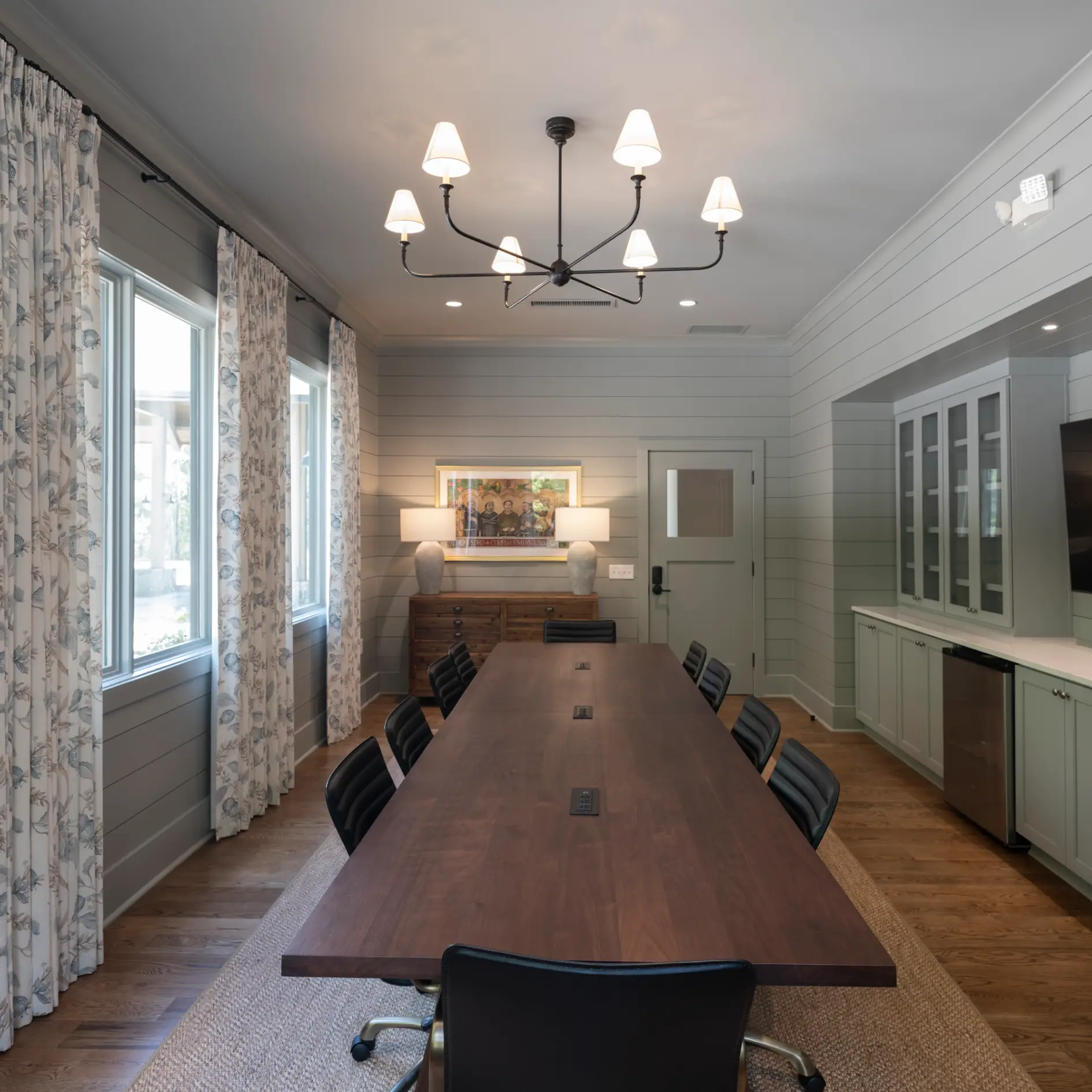
For teams planning a retreat in Georgia, leadership retreats at Heritage offer a setting designed around that balance. Heritage sits on 200 peaceful acres about two hours from Atlanta, with meeting spaces, lodging, dining, and walking paths that make it possible to work together while also stepping away from the pace of everyday business.
What to Include in a Leadership Retreat Agenda
Start with the outcome, not the activities.
A leadership retreat is most useful when the team knows what it needs to accomplish before everyone arrives. The agenda should create enough structure to reach those goals while leaving room for conversations that cannot always happen during a normal workweek.
A well-rounded agenda can include:
- Arrival and time to settle in
- An opening session with clear objectives
- A review of the organization's current position
- Strategic priorities and future planning
- Structured leadership or peer conversations
- Dedicated time for major decisions
- Shared meals and informal conversation
- Quiet time for individual reflection
- A final synthesis of decisions
- Specific responsibility owners dates for follow-up
The balance will depend on your goals. A short retreat may focus on one strategic question, while an overnight gathering can create more space for complex planning, candid conversations, and leadership development.
For executive teams, the most effective agendas make room for both strategic work and the human side of leadership. Time away from the usual office environment can help leaders strengthen relationships, understand different perspectives, and return to their roles with greater clarity.
A Sample Two-Day Leadership Retreat Agenda
Two days give a leadership team enough time to move beyond surface-level discussion.
This leadership retreat agenda sample assumes an overnight gathering with a full first day, a second morning, and a focus on strategic alignment.
Summarize decisions and shared direction.
The opening establishes a shared purpose. The business review creates a common starting point, while the strategic sessions turn that context into meaningful discussion. In practice, Day 1 often works best for team dynamics, while Day 2 is better reserved for strategic direction and action planning.
Small-group leadership conversations can create room for topics that are harder to address around a conference table. The decision block then turns those conversations into action, helping connect retreat discussions to long-term team performance.
Just as importantly, the agenda protects time without a formal objective. Walking, sitting outdoors, or having a few quiet minutes gives participants space to process what they have heard before returning to the next discussion.
Leadership Development Retreat Themes and Topics
The strongest retreat themes connect directly to what the organization needs right now.
Your agenda might revolve around a vision refresh or sharper company vision, a change in organizational direction, leadership-team health, or the need to clarify strategic priorities.
Common leadership retreat themes include:
- Vision and direction: Where are we going, and has our vision changed?
- Strategic priorities: What deserves attention over the next 6–12 months?
- Culture and values: Are our stated values reflected in everyday decisions?
- Leadership-team health: How effectively are we communicating and collaborating to strengthen team cohesion and support open communication?
- Organizational growth: What needs to change as the organization grows?
- Succession: What leadership capabilities and transitions should we prepare for?
- Mission and impact: Are resources aligned with the work that matters most?
- Change and transition: What does the organization need from its leaders right now?
The theme should shape the conversations rather than simply serve as a label for a collection of unrelated activities. It should also support strategic clarity around company goals and core goals.
If you're looking for executive retreat ideas, consider choosing a theme that reflects a real leadership challenge rather than creating an agenda around activities alone. A focused retreat can give senior leaders the space to address difficult questions, explore different viewpoints, and determine what needs to happen next.
Leadership Retreat Team Building Activities That Actually Help
Good leadership retreat activities support the work rather than distract from it.
Shared-purpose discussions can help leaders reconnect with the organization's direction. Small-group conversations give participants room to discuss challenges more openly, while values exercises can explore where an organization's stated values show up in everyday decisions.
Outdoor walks can also be useful. A change of setting gives people an opportunity for informal conversation and reflection without adding another formal session to the schedule.
Working meals can serve a similar purpose. Give the group one focused question to discuss rather than treating lunch as another presentation block.
Team building does not have to mean filling the schedule with games. The most useful team building activities often create better communication, help leaders strengthen relationships, and build greater shared understanding.
When leaders understand how their colleagues think, communicate, and approach challenges, those relationships can carry back into the workplace and support stronger collaboration.
Build in Thinking Space
One of the easiest things to remove from a retreat schedule is also one of the most valuable.
When every minute is occupied by presentations, workshops, and group activities, participants have little time to process what they have heard. Intentional quiet can help leaders return to the next conversation with greater focus.
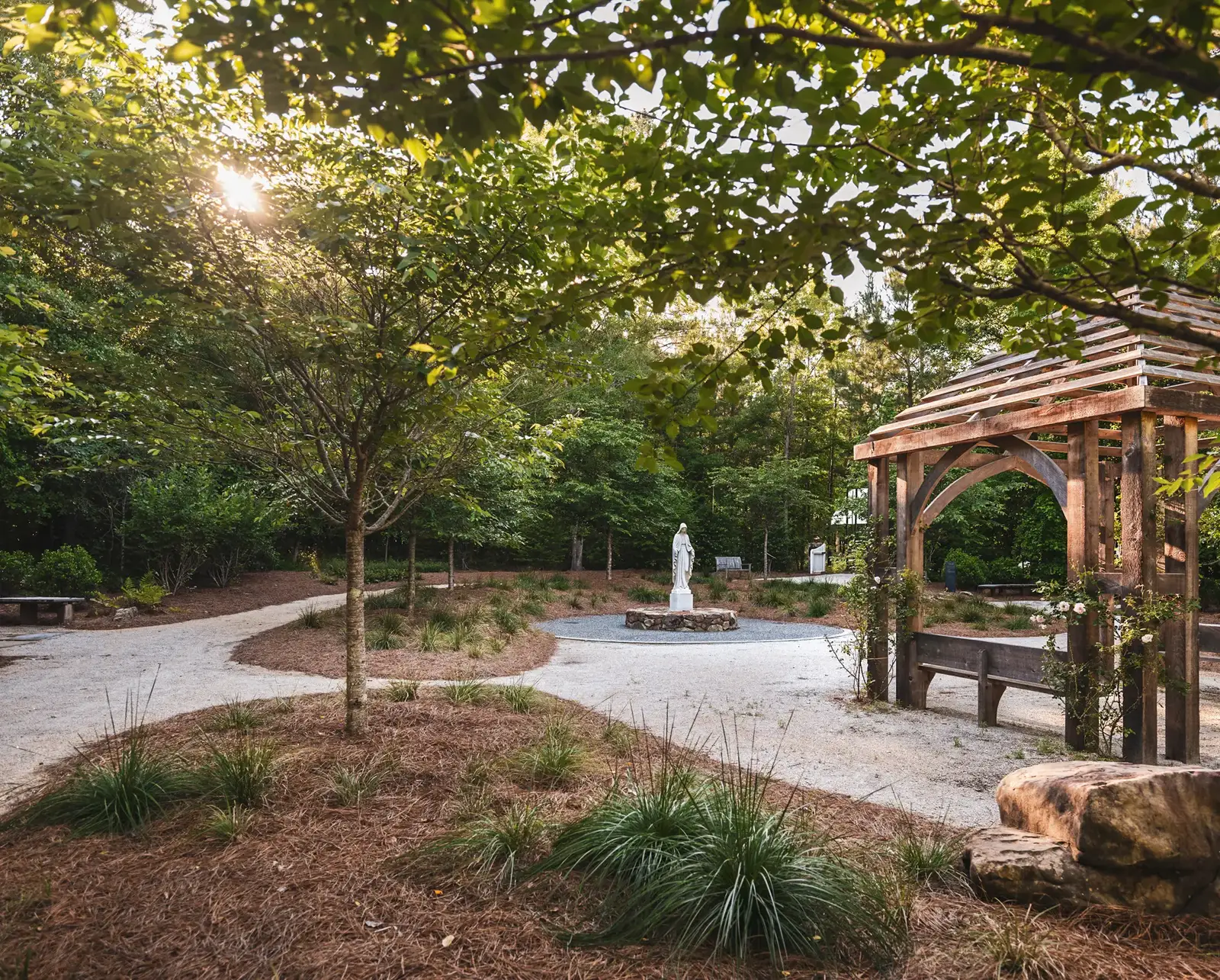
This is where the setting matters. Heritage's 200 acres provide room for walking, reflection, and informal conversation alongside functional meeting spaces. The property is rooted in historic Christian heritage, including Georgia's oldest Catholic settlement and a late-1800s historic church, while welcoming organizations and individuals seeking a peaceful setting for renewal, clarity, and connection.
The result is a retreat environment where productivity and thinking space can coexist.
Make the Setting Part of the Experience
A leadership retreat does not need to feel like an extended conference.
Changing the environment is part of the value of getting away. A meeting can happen indoors, followed by a walk outside. A strategic conversation can continue over a meal. A difficult decision can be revisited after participants have had time to step away and think.
Heritage's rural setting, walking paths, meeting spaces, lodging, and on-site dining allow groups to spend meaningful quality time together without constantly moving between locations. Its preserved grounds and historic setting add a distinctive sense of place.
For organizations coordinating group travel, having these elements together can make planning simpler while giving participants an experience that feels genuinely different from an ordinary workday.
For leaders considering executive retreat ideas, the setting itself can become part of the agenda. Moving between focused meetings, shared meals, outdoor spaces, and quiet moments gives participants natural opportunities to change pace and approach conversations with a fresh perspective.
Close With Responsibility Owners and Dates
A retreat is only successful if the work continues after everyone leaves.
Before closing, review the decisions that were made and turn them into specific commitments. Each major action should have an owner and a date, with a clear understanding of what happens next.
A simple closing question can help: What are we each responsible for carrying forward from this retreat?
Record the answers while the team is together, then schedule the follow-up before everyone returns to their normal calendars.
If you're building the retreat itself, our step-by-step retreat planning checklist can help with the practical details.
Plan Your Leadership Retreat at Heritage
Heritage offers a peaceful setting for that kind of work, with 200 acres of rural grounds about two hours from Atlanta, meeting spaces, overnight accommodations, on-site dining, and places to walk and reflect. Its historic Christian heritage adds a distinctive sense of place while the retreat environment welcomes businesses, nonprofits, leadership teams, churches, and purpose-driven organizations seeking meaningful time together.
Whether you're gathering a small leadership group or bringing your entire leadership team together, Heritage provides space for focused conversations, shared meals, reflection, and meaningful time away from the usual work environment.
Planning your next retreat? Explore leadership retreats at Heritage and inquire about availability for your team.
Frequently Asked Questions
How Long Should a Leadership Retreat Be?
A half-day works well for one focused discussion, while a full day provides more room for strategic planning and decision-making. A two-day or overnight retreat is better suited to complex priorities, leadership-team health, organizational transitions, or conversations that need more room to develop.
What Are Good Themes for a Leadership Retreat?
Strong themes include vision and direction, strategic priorities, culture and values, leadership-team health, organizational growth, succession, mission and impact, and organizational change. Choose a theme that reflects the decisions or conversations your team needs most.
What Activities Should You Include in a Leadership Retreat?
Useful activities include structured peer conversations, values discussions, strategic problem-solving, guided outdoor walks, working meals, intentional reflection time, and mindfulness sessions for clearer thinking. A nearby museum visit or even a short walk can also work when the goal is reflection and connection rather than more meeting time. Activities should support the retreat's goals rather than simply fill the schedule.
What Makes an Executive Retreat Agenda Different?
An executive retreat agenda should prioritize strategic discussion, candid leadership conversations, decision-making, accountability, and strategic thinking so senior teams can move beyond traditional meetings. Senior leaders typically benefit more when leaders brainstorm, evaluate tradeoffs, and align in person than from treating the time like a packed schedule of traditional team-building exercises.
How Do You Plan a Retreat That Produces Real Decisions?
Start by identifying the decisions the team needs to make before creating the schedule. Give participants the relevant information in advance, protect time for discussion and reflection, document decisions during the retreat, and finish by assigning owners and dates to each major commitment.
Can a Leadership Retreat Be Held in One Day?
Yes. A one-day retreat can be effective when the scope is focused. Choose one or two meaningful outcomes, prepare participants in advance, and leave enough time for discussion rather than trying to cover every organizational issue in a single day.