An executive leadership retreat is how many leadership teams finally make room for that deeper conversation. Done well, it gives a small group of decision-makers the time, quiet and distance to think clearly together and come home with conclusive decisions and real commitments.
Below is practical guidance a CEO or executive director can act on: what an executive leadership retreat is, how it differs from an offsite, and how to plan one around decisions rather than logistics. If you're already weighing locations, our page on choosing an executive retreat venue in Georgia shows what Heritage offers leadership teams.
What Is an Executive Leadership Retreat?
An executive leadership retreat is typically a small gathering of the CEO or executive director and senior team, usually 5 to 20 people, held off site, away from the office, to make strategic decisions and strengthen the leadership team itself. Most last one to three days. The work on the table is the organization's direction and vision.
That double purpose is what sets executive leadership retreats apart. A senior team can't set a clear strategy if its members don't trust each other enough to disagree or share their thoughts out loud. So the best retreats leave room for both: focused strategic thinking about the year ahead, and honest attention to how the team works together.
The setting matters because routine shapes behavior. A leadership team that meets in its usual conference room tends to have its usual conversation. Step into a new environment, away from daily pressures and open office doors, and people start to talk differently. Quiet grounds and time in nature also encourage the innovation that rarely surfaces in a conference room.
How Is an Executive Retreat Different From a Company Offsite?
An executive offsite and an executive retreat both take senior leaders out of the building, but they're built for different jobs.
An offsite is often a single working day, sometimes close to the office, focused on one agenda. A retreat usually includes at least one overnight, and that evening together is part of the point. Larger corporate retreats are different again: they gather employees from whole departments or companies, and their goals tend to center on connection, engagement and company culture.
Three things set executive retreats apart from corporate retreats and other team gatherings:
- Who attends: most of the time only the people who own the decisions, which usually means the CEO or executive director and direct reports.
- The stakes: the conversations can shape budgets, priorities and sometimes the structure of the organization.
- The tone: candor matters,, because a senior team gains a great deal from honest disagreement.
Some organizations also run a separate managers retreat for rising leaders and team leaders one level down. That's a valuable but different event.
Why Do Leadership Teams Need Time Away From the Office?
Senior leaders rarely lack ideas. What they lack is uninterrupted time to weigh those ideas against each other. In the office, every strategic issue competes with an inbox, an interruption or crisis and the next meeting.
Time away changes that in a few ways. It slows the pace enough for big picture thinking. It removes the small status signals of the office, which helps quieter voices speak up regardless of their leadership roles. And it builds the kind of psychological safety a team needs before anyone will share a bold idea or say, "I don't think this plan will work."
There's research behind that instinct. In Harvard Business Review, three researchers draw on a decade of study to argue that offsites can reshape a team's informal networks, so ideas and expertise move more freely once everyone is back at work. The professional relationships colleagues form over a shared meal often matter as much as anything decided in the meeting room.
How Do You Plan an Executive Leadership Retreat?
Good executive retreat planning starts with decisions, not dates. Before anyone books a room, the CEO and whoever owns the planning process should agree on what the retreat must produce.
Name the One or Two Outcomes It Must Produce
Ask a simple question: when this retreat ends, what will we have decided that we haven't decided yet? Keep the answer to one or two strategic goals. A retreat that tries to settle more than five big questions usually settles none of them. No single gathering will produce all the answers, so choose the questions that matter most to the organization's future.
Choose Who Attends
Invite the people who own the decision,. Every extra person changes the conversation, and senior leaders speak more openly in a smaller room. If your board needs to weigh in, consider a separate session, and our guide to planning a board retreat covers how that work differs. Decide early, too, who will lead each session.
Set the Right Length
One full day works for a single, well-defined decision. Two days with an overnight suits most executive teams, because the evening gives people time to absorb what they heard. Many planners settle on two to two and a half days for that reason. Three days is the outer limit before attention starts to fade.
Send Pre-Work Before Anyone Travels
Share the key data, the open questions and a short pre-read at least a week ahead. Ask each leader to come with a point of view. Simple strategic tools, like a one-page summary of the options or a shared scorecard, help participants arrive ready to decide. Then the time spent together goes to discussion, not presentations.
Plan How Decisions Get Carried Home
The last session decides on the key takeaways. . Every decision needs an owner and a date, and someone should send a written summary within a week. Without that follow through, even a successful retreat fades by the next quarter. Names and dates are what turn a few good days into long term success.
For an hour-by-hour structure, our sample leadership retreat agenda shows how to pace the working sessions, breaks and evening time.
What Do You Actually Do at an Executive Retreat?
Most of the day is focused discussion. The strongest executive retreat ideas aren't elaborate activities: they're well-framed questions given enough time. Expect strategic planning sessions, a candid review of what is and isn't working, and time to talk about team dynamics directly. Keep each session short enough that everyone stays engaged.
Team building still has a place, but it looks different at this level. . Simple outdoor activities, like a walk between sessions, a long dinner on the porch and an hour around a fire pit, tend to build more trust than any planned game.
Leave real space in the schedule. Some of the best ideas surface during a walk in the fresh air or over coffee the next morning, when nobody is presenting. Creating that space has to be deliberate, or a packed agenda will fill it.
How Do You Choose the Right Location for Leadership Retreats for Executives?
People often ask which leadership retreats are best. The more useful question is which setting best fits the work you need to do. A resort full of distractions can undercut a serious conversation, while the right location quietly supports it. Not all retreats offer the same kind of quiet, and the ideal setting removes distractions without adding new ones.
Look for a few practical qualities:
- Privacy: ideally exclusive use, so no other groups share your meeting space or dining room.
- Distance: far enough that no one is tempted to drive back for an afternoon meeting, close enough that travel doesn't eat a business day.
- The right room: a meeting space sized for your group..
- Meals on site: so conversations continue over lunch instead of breaking up to find a restaurant.
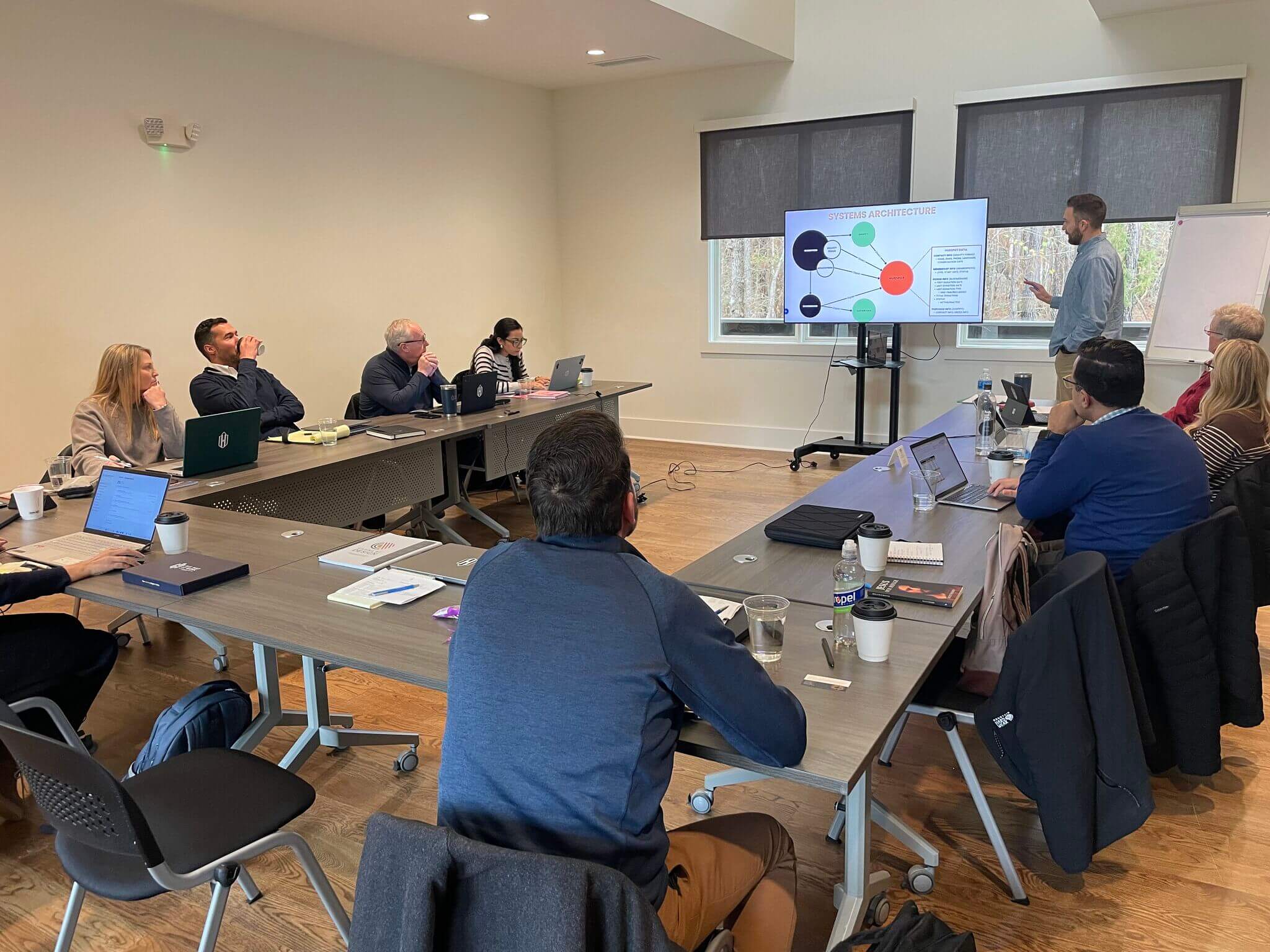
Heritage offers that kind of setting on 200 peaceful acres near Crawfordville, Georgia, about two hours from Atlanta just off Interstate 20. Executive groups can meet in the Boardroom at Pine Lodge, with the Classroom and screened porch nearby for breakout conversations.
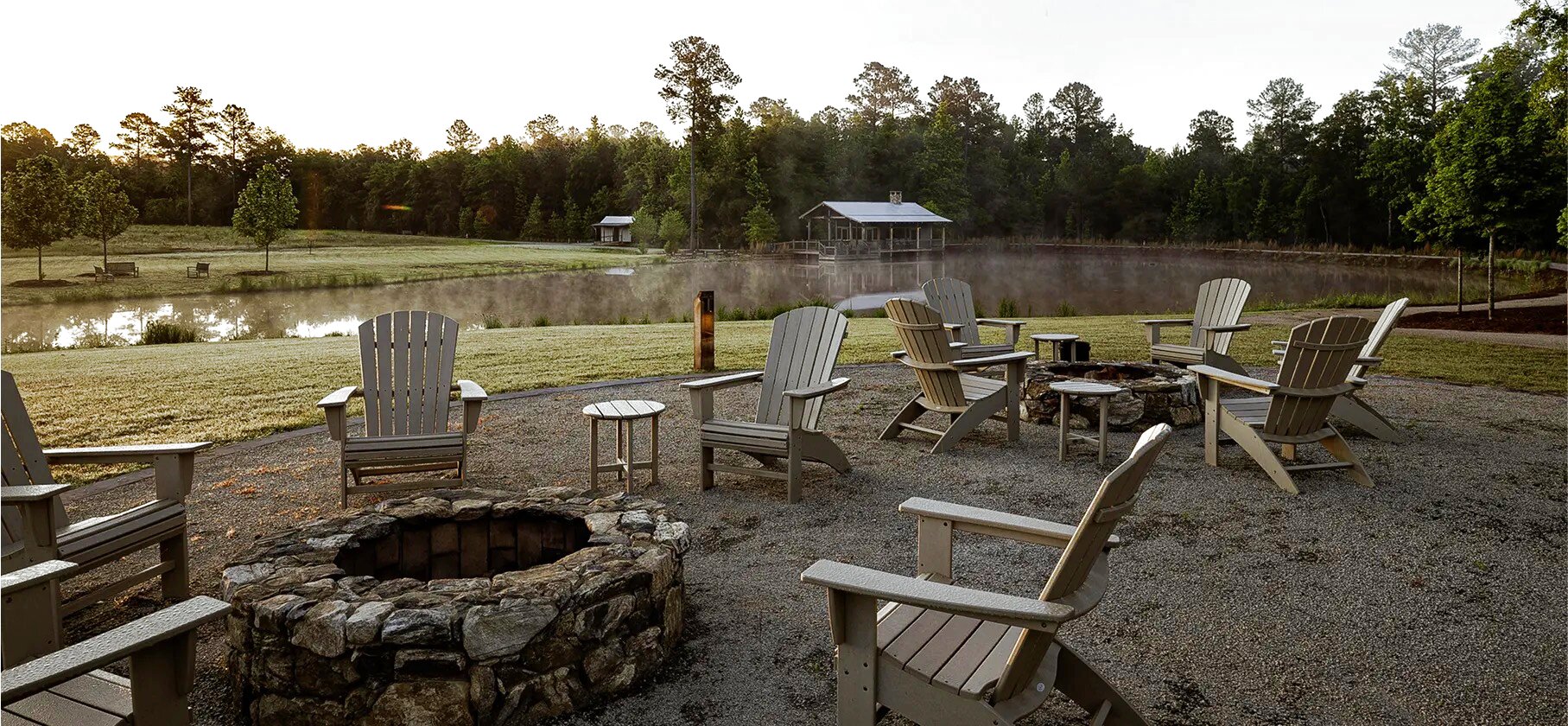
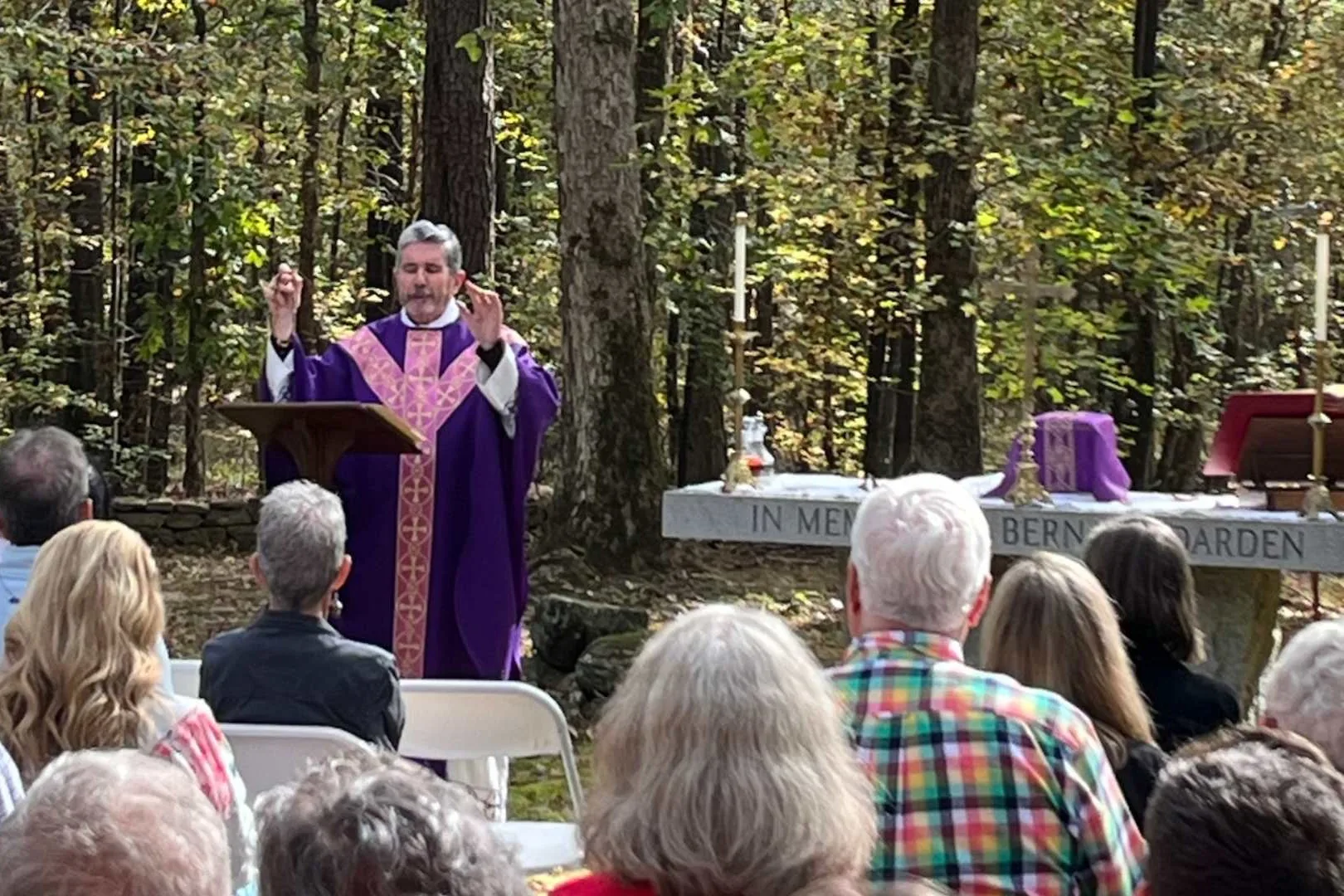
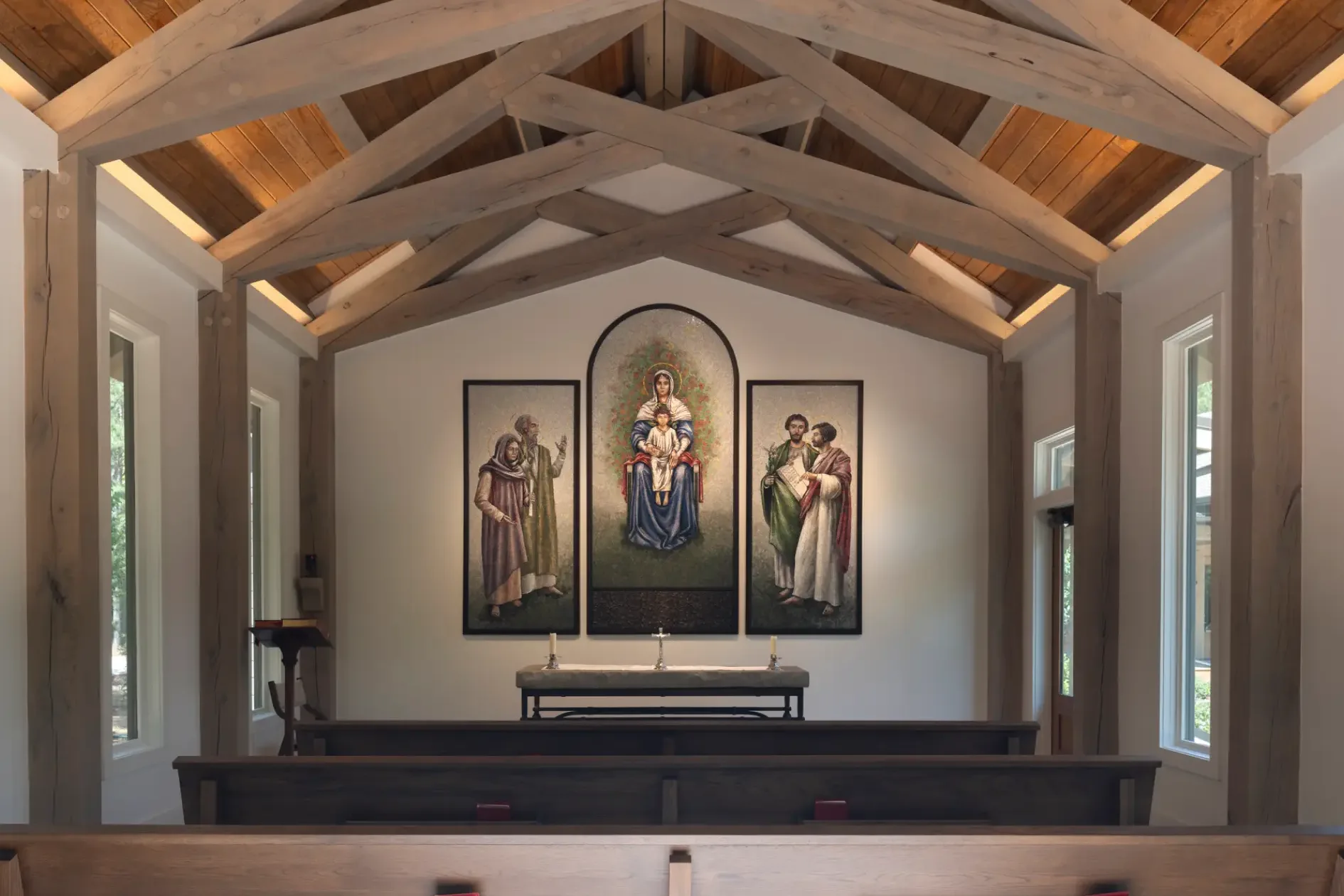
Chef-prepared meals are served on site, and whole-property buyouts mean your team has the grounds to itself. Between sessions, leaders can walk the trails, fish at the Pond House or gather at the outdoor fire pits in the evening. The land is also home to Georgia's oldest Catholic settlement and the historic Church of the Purification, which give the grounds a quiet sense of history. Heritage welcomes all groups whose use of the facilities aligns with its mission and honors Christian sensibilities.
Giving Your Leadership Team Room to Think
The success of an executive retreat comes down to a few choices made well: one or two clear outcomes, the right people in the room, enough time to talk honestly, and a plan for carrying decisions home. Get those right, and leaders return with a renewed sense of direction and a stronger team behind it.
The setting won't do the work for you, but it can make a successful executive retreat much easier to achieve. If you're ready to start planning, explore leadership retreats at Heritage and see whether our quiet corner of Georgia fits your team.
Frequently Asked Questions
What Is a Leadership Retreat for Executives?
It's a gathering of an organization's most senior leaders, held away from the office, to make strategic decisions and strengthen how the team works together.
What Do You Do at a Leadership Retreat?
Most of the time goes to structured discussion of strategic goals, open issues and team dynamics. The rest goes to shared meals, walks and unstructured time, where trust often takes shape.
What Are the Best Leadership Retreats?
The best ones have a clear purpose, a small group of decision-makers and a setting that removes distractions.
How Long Should an Executive Retreat Be?
Most executive teams do well with three days and two overnights.
When Should You Choose an Executive Offsite Instead of a Retreat?
Choose an offsite when you need one focused working day on a single topic and travel time is tight. Choose a retreat when the team needs deeper conversation, relationship building or time to work through a difficult decision.
What Should Be Avoided During Offsite Meetings?
Avoid packing the agenda, inviting too many people and spending the day on too many presentations people could have read in advance. Above all, never end without owners and dates.
{
  "@type": "FAQPage",
  "@id": "https://www.heritagega.org/blog/executive-leadership-retreat-planning-guide#faq",
  "mainEntity": [
    {
      "@type": "Question",
      "name": "What Is a Leadership Retreat for Executives?",
      "acceptedAnswer": { "@type": "Answer", "text": "It's a gathering of an organization's most senior leaders, held away from the office, to make strategic decisions and strengthen how the team works together." }
    },
    {
      "@type": "Question",
      "name": "What Do You Do at a Leadership Retreat?",
      "acceptedAnswer": { "@type": "Answer", "text": "Most of the time goes to structured discussion of strategic goals, open issues and team dynamics. The rest goes to shared meals, walks and unstructured time, where trust often takes shape." }
    },
    {
      "@type": "Question",
      "name": "What Are the Best Leadership Retreats?",
      "acceptedAnswer": { "@type": "Answer", "text": "The best ones have a clear purpose, a small group of decision-makers and a setting that removes distractions." }
    },
    {
      "@type": "Question",
      "name": "How Long Should an Executive Retreat Be?",
      "acceptedAnswer": { "@type": "Answer", "text": "Most executive teams do well with three days and two overnights." }
    },
    {
      "@type": "Question",
      "name": "When Should You Choose an Executive Offsite Instead of a Retreat?",
      "acceptedAnswer": { "@type": "Answer", "text": "Choose an offsite when you need one focused working day on a single topic and travel time is tight. Choose a retreat when the team needs deeper conversation, relationship building or time to work through a difficult decision." }
    },
    {
      "@type": "Question",
      "name": "What Should Be Avoided During Offsite Meetings?",
      "acceptedAnswer": { "@type": "Answer", "text": "Avoid packing the agenda, inviting too many people and spending the day on too many presentations people could have read in advance. Above all, never end without owners and dates." }
    }
  ]
}