.jpeg)
Most corporate retreats begin with good intentions. Teams leave the office looking to reconnect, solve problems, and return with renewed energy.
The most successful corporate retreat activities are designed to create meaningful conversations, encourage fresh perspectives, and strengthen the relationships that make organizations successful. The right choices also improve team morale, strengthen team bonding, reinforce company culture, and build the leadership skills organizations need for long-term workplace success. Instead of filling every hour with games or competitions, effective retreats balance collaboration with quiet moments, structured sessions with informal conversations, and planning with opportunities to simply spend time together.
That's especially true when teams step away from the distractions of everyday work. A peaceful setting naturally encourages better listening, helping people communicate effectively and build meaningful connection, along with deeper discussions and the kind of trust that can't always develop inside a conference room.
Why Most Corporate Retreat Activities Fall Short
Many online guides recommend dozens of games, icebreakers, and competitions. While those ideas can energize a group, they don't always create stronger teams.
People rarely remember who won the scavenger hunt. They do remember the conversation that changed how they see a colleague or the planning session that gave everyone renewed clarity about where the organization is headed.
The most valuable work retreat ideas have something in common: they support a larger goal. Every activity should encourage collaboration, build trust, strengthen team bonding, improve team morale, or create alignment around the organization's mission. Those outcomes help organizations achieve stronger workplace success long after the retreat ends. When the experience has purpose, the retreat becomes more than a day away from the office—it becomes an investment in the team itself.
Begin With Shared Purpose Instead of Icebreakers
Every successful retreat starts with helping people reconnect around why they're there.
Rather than opening with games or presentations, consider beginning with a collaborative vision session. Invite participants to reflect on recent accomplishments, discuss current challenges, and identify the priorities that matter most for the months ahead.
This type of conversation immediately shifts the focus from daily tasks to long-term direction. It also gives every participant an opportunity to contribute, regardless of their role within the organization.
Values workshops naturally fit into this conversation as well. Instead of simply displaying organizational values on a screen, encourage teams to discuss what those values actually look like in everyday work. Where are they succeeding? Where can they improve? These discussions often lead to more meaningful insights than traditional brainstorming exercises because they're rooted in shared experience.
Leadership teams, nonprofit boards, executive groups, and business leaders often find these conversations especially valuable because they create alignment before strategic planning begins while strengthening the leadership skills needed to guide their organizations forward. Teams preparing for strategic conversations may also benefit from reading our guide to planning a group retreat for your church or organization.
Create Opportunities for Conversations That Normally Don't Happen
Some of the strongest connections during a retreat happen away from meeting tables.
Shared meals provide a perfect example. Rather than allowing everyone to sit with their closest coworkers, introduce thoughtful conversation prompts that encourage people to learn something new about one another. Questions about personal growth, professional challenges, or lessons learned often spark discussions that continue long after lunch has ended.
Small-group discussions can be equally effective. Instead of assigning hypothetical case studies, invite teams to solve real organizational challenges together. Whether they're exploring ways to improve communication, strengthen culture, or streamline processes, participants become more invested because the conversation has practical relevance.
These types of team retreat activities build trust naturally while encouraging team bonding and improving team morale through shared experiences and meaningful conversations.
Let the Environment Become Part of the Experience
One advantage of hosting an offsite is the opportunity to change the pace of the day, and the retreat location often shapes how people think and interact.
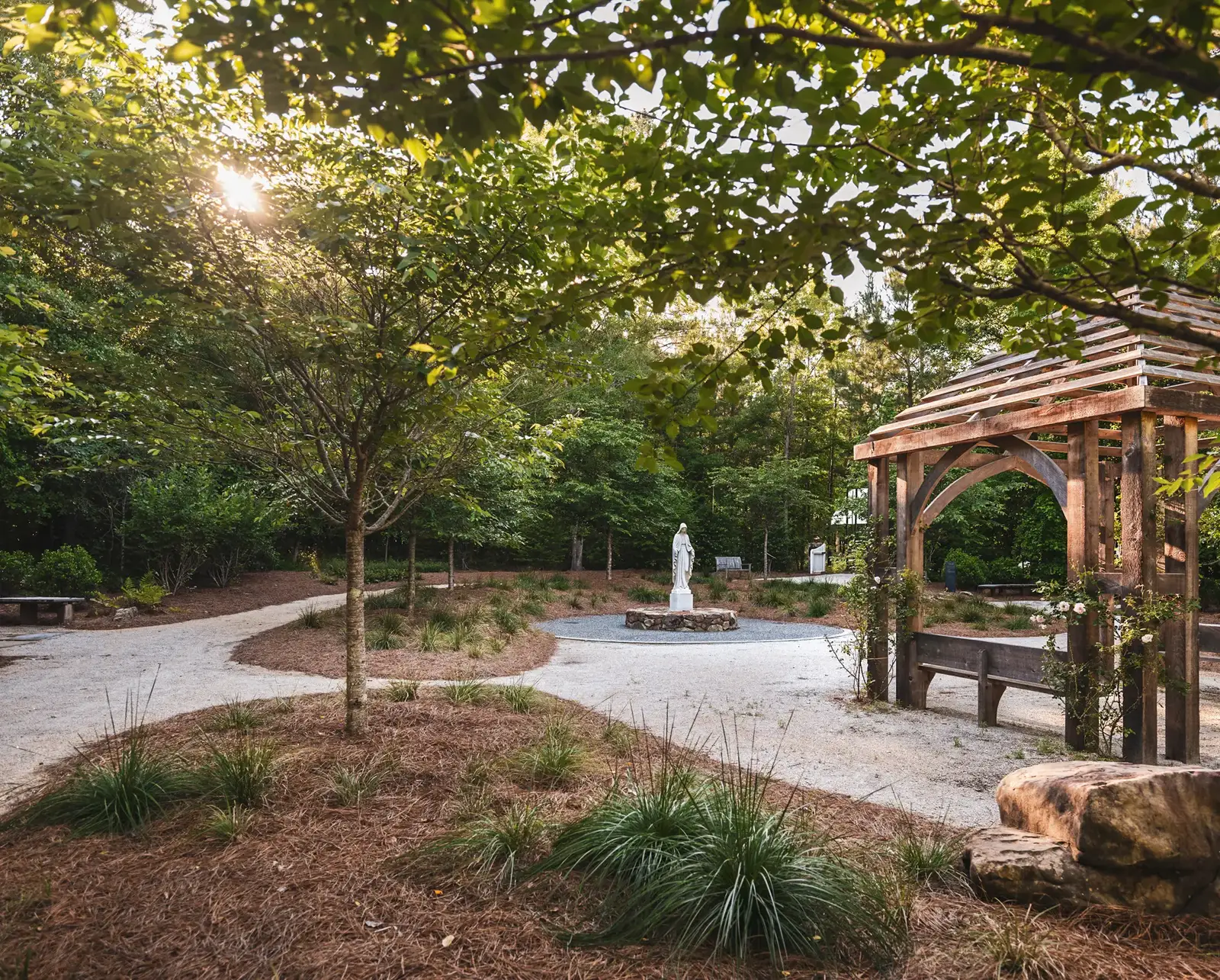
Stepping outside for a quiet walk or gathering in an outdoor space may seem simple, but these moments often become some of the most memorable parts of the retreat. Fresh air and natural surroundings encourage people to slow down, reflect, and think differently than they would in a typical office setting. Some research suggests locations with ocean views can improve the quality of strategic thinking, while any peaceful setting can support creative thinking and stronger team spirit.
A guided walk followed by a group discussion gives participants time to process ideas before sharing them with colleagues. Others may prefer informal conversations while exploring the grounds together. Either approach can help engage participants, strengthen leadership skills, and create space for deeper conversations without forcing interaction.
This is where the retreat setting becomes just as important as the agenda.
Located on 200 peaceful acres about two hours from Atlanta, Heritage offers walking trails, gardens, open green spaces, comfortable meeting rooms, overnight accommodations, and chef-prepared meals that allow organizations to step away from daily distractions and focus fully on one another. The property's historic Christian heritage provides a distinctive sense of place while remaining welcoming to businesses, nonprofits, churches, and purpose-driven organizations seeking renewal and collaboration. Organizations looking for a venue designed specifically for these experiences can explore corporate retreats at Heritage.
Don't Underestimate the Value of Unstructured Time
One of the biggest mistakes retreat planners make is scheduling every minute.
Teams need space to process ideas, continue conversations, and simply enjoy one another's company. Some of the best discussions happen over coffee between sessions or during an evening walk—not because they were planned, but because people finally had the time to talk.
Building intentional breaks into the schedule doesn't reduce productivity. In many cases, it improves it.
When participants have room to reflect, they return to formal sessions with greater focus, renewed team morale, and more thoughtful contributions that support lasting workplace success.
End With Commitments, Not Just Conclusions
A retreat should inspire action once everyone returns to work.
Before closing the event, invite each participant to identify one commitment they'll carry forward. That commitment might involve improving communication, supporting another department, leading a new initiative, or simply approaching work with greater intentionality.
Recording these commitments gives teams a shared sense of accountability while reinforcing everything they've discussed throughout the retreat.
Many organizations also include a brief gratitude exercise at the end of the gathering. Taking a few minutes to recognize colleagues' contributions helps strengthen relationships and leaves participants with a positive sense of momentum heading back into everyday responsibilities.
Rather than ending with another presentation, the retreat concludes with a renewed commitment to the people and purpose that brought everyone together.
Choosing Activities for Different Types of Retreats
Not every retreat has the same objectives, so the activities should reflect the needs of the group.
Leadership teams and business leaders often benefit most from strategic planning, values discussions, and long-form conversations that create alignment around future priorities while strengthening essential leadership skills.
Nonprofit boards may focus on mission, governance, and organizational impact while allowing time for relationship-building outside formal meetings.
For larger company retreats, balancing collaborative workshops with shared meals, outdoor experiences, and informal networking helps participants connect across departments that don't regularly work together.
Regardless of the audience, the most successful corporate retreat team building activities strengthen relationships, encourage team bonding, and improve team morale in ways that continue long after the retreat has ended.
The Right Setting Makes Every Activity More Meaningful
Even the best-designed agenda depends on the environment in which it takes place.
When people remain surrounded by emails, meetings, and constant interruptions, it's difficult to think differently. Stepping away into the right setting helps teams communicate effectively, reflect, and build stronger workplace dynamics.
If you're comparing venues, our guide to leadership retreats in Georgia explores what makes an effective setting for executive teams and strategic planning sessions.
Heritage combines peaceful rural surroundings with comfortable accommodations, flexible meeting spaces, chef-prepared dining, and opportunities to explore historic grounds that have welcomed guests seeking connection and renewal for generations. Teams can accomplish meaningful work while enjoying an atmosphere that naturally encourages thoughtful conversation and quality time together. Spaces designed for both work and relaxation are also useful for a welcome party, shared meals, and other moments that help foster community.
Whether you're planning a one-day strategy session or a multi-day retreat, the setting plays an important role in helping every activity achieve its purpose. A whole company offsite or staff retreat also needs room for structured sessions and lighter activities such as board games, which promote critical thinking and team spirit.
Plan a Retreat That Strengthens Your Team
The most memorable retreats aren't defined by how many activities are scheduled. They're remembered because people leave feeling more connected, more focused, and more committed to working together.
Choosing thoughtful activities, and the right environment to support them, can transform a routine offsite into an experience that continues shaping your organization long after everyone returns to the office.
If you're planning your next retreat, explore corporate retreats at Heritage to learn more about meeting spaces, overnight accommodations, and planning support. Organizations planning executive or board gatherings can also explore leadership retreats in Georgia. If you're organizing your next offsite, our step-by-step retreat planning checklist can help you prepare every detail. You can also learn why teams need to step away from constant busyness or explore the signs your team needs time away before planning your next gathering.
Frequently Asked Questions
What activities should you do on a corporate retreat?
The most effective corporate retreat activities encourage trust, collaboration, and meaningful conversation. Strategic planning sessions, shared meals with guided discussion, outdoor reflection, problem-solving workshops, and team conversations often have a greater long-term impact than entertainment-focused activities alone.
What makes a corporate retreat activity effective?
Successful activities support the overall purpose of the retreat. Rather than simply filling time, they improve team morale, encourage team bonding, strengthen leadership skills, help people communicate effectively, and contribute to long-term workplace success.
What are good activities for leadership team retreats?
Leadership groups often benefit from vision planning, values workshops, strategic discussions, reflection time, and conversations focused on long-term organizational direction. These retreats also support leadership development by giving leaders room for deeper conversations and personal development.
How long should a corporate retreat be?
The ideal length depends on your goals. One-day retreats work well for focused planning sessions, while overnight or weekend retreats provide additional time for reflection, relationship-building, and more in-depth collaboration.
<script type="application/ld+json">
{
  "@context": "https://schema.org",
  "@graph": [
    {
      "@type": "BlogPosting",
      "@id": "https://www.heritagega.org/blog/how-to-plan-corporate-retreat-activities#article",
      "headline": "Organizing Corporate Retreat Activities That Actually Bring Teams Together",
      "description": "Discover how planning meaningful corporate retreat activities strengthen trust, collaboration, and shared purpose within your teams.",
      "image": "https://cdn.prod.website-files.com/685bdc36ccfdb9f2bf8fd414/6a7c32659ba3bd29ea98fff4_activities%20(1).jpeg",
      "datePublished": "2026-08-12",
      "dateModified": "2026-08-12",
      "author": { "@type": "Person", "name": "Betsy Orr" },
      "publisher": {
        "@type": "Organization",
        "name": "Heritage",
        "logo": {
          "@type": "ImageObject",
          "url": "https://cdn.prod.website-files.com/684ac91e26e12171592e834b/695e6087607b5378b6b042bd_Heritage-Reg-lg-white.svg"
        }
      },
      "mainEntityOfPage": { "@type": "WebPage", "@id": "https://www.heritagega.org/blog/how-to-plan-corporate-retreat-activities" }
    },
    {
      "@type": "FAQPage",
      "@id": "https://www.heritagega.org/blog/how-to-plan-corporate-retreat-activities#faq",
      "mainEntity": [
        {
          "@type": "Question",
          "name": "What activities should you do on a corporate retreat?",
          "acceptedAnswer": { "@type": "Answer", "text": "The most effective corporate retreat activities encourage trust, collaboration, and meaningful conversation. Strategic planning sessions, shared meals with guided discussion, outdoor reflection, problem-solving workshops, and team conversations often have a greater long-term impact than entertainment-focused activities alone." }
        },
        {
          "@type": "Question",
          "name": "What makes a corporate retreat activity effective?",
          "acceptedAnswer": { "@type": "Answer", "text": "Successful activities support the overall purpose of the retreat. Rather than simply filling time, they improve team morale, encourage team bonding, strengthen leadership skills, help people communicate effectively, and contribute to long-term workplace success." }
        },
        {
          "@type": "Question",
          "name": "What are good activities for leadership team retreats?",
          "acceptedAnswer": { "@type": "Answer", "text": "Leadership groups often benefit from vision planning, values workshops, strategic discussions, reflection time, and conversations focused on long-term organizational direction. These retreats also support leadership development by giving leaders room for deeper conversations and personal development." }
        },
        {
          "@type": "Question",
          "name": "How long should a corporate retreat be?",
          "acceptedAnswer": { "@type": "Answer", "text": "The ideal length depends on your goals. One-day retreats work well for focused planning sessions, while overnight or weekend retreats provide additional time for reflection, relationship-building, and more in-depth collaboration." }
        }
      ]
    }
  ]
}
</script>