Sometimes the need for a break isn’t just about rest—it’s about something deeper.
You might not call it a spiritual retreat yet. It may feel more like stress, mental clutter, or a quiet sense that something is off. But when life gets too loud for too long, your soul starts asking for something different—a return to peace, clarity, and a deeper spiritual journey.
A retreat isn’t about escaping your life. It’s about stepping away long enough to reconnect with your inner self, your values, your faith, and the present moment.
If you’ve been wondering whether it’s time to pause, here are five signs that it might be.
1. You Feel Constantly Busy, but Not Clear
You’re getting things done. Your schedule is full. But there’s a lack of direction underneath it all.
This is often when people begin searching for a spiritual retreat, hoping to find a clearer sense of purpose and direction in their faith journey. When everything moves fast, it becomes harder to notice what actually matters.
A retreat creates space for self reflection. It allows you to slow down, reflect, and reconnect with your true self—not just your responsibilities. Over time, this kind of pause supports personal growth and helps you move forward with intention instead of reaction.
2. You’re Mentally Tired, Even After Rest
Sleep helps your body, but it doesn’t always restore your mind.
You may have taken time off and still feel drained. That’s usually because your environment hasn’t changed. The same inputs, expectations, and noise are still there.
A silent retreat or quiet spiritual getaway near me offers a different kind of reset. Through silence, nature, and simple practices like meditation and prayer, your mind begins to settle. This is where healing, calm, and even a sense of inner peace can begin to return.
3. You’ve Lost Time for Reflection
When life gets busy, reflection often disappears or feels missing.
You move from task to task without space to think about your direction, your belief systems, or life’s deeper meaning. Over time, this disconnect can affect how you feel about your work, your relationships, and your overall wellness.
This is often when people begin asking, what is a spiritual retreat, and is it the right retreat for me?
At its core, a retreat is simply intentional time for reflection, prayer, or meditation.
4. You Feel Disconnected from What Matters
Disconnection doesn’t always look dramatic.
Sometimes it feels like going through the motions. Other times, it’s a quiet sense that something is missing. You may feel emotionally distant, unfocused, or unsure of what direction to take next.
This is where a spiritual retreat can support real transformation. By stepping into solitude or a supportive community, you begin to discover what matters again. Many people describe this as reconnecting with their faith and feeling more aligned with themselves and their lives. The key is choosing the right retreat for where you are on your journey. There are many types of retreats, from quiet times of reflection to faith-centered experiences designed to renew the heart, mind, and spirit. The key is choosing a retreat that meets you where you are on your journey and creates space to draw closer to God, find rest, and experience meaningful connection.
5. You Keep Thinking About Taking a Break (But Don’t)
You’ve had the thought more than once.
Maybe you’ve searched for a spiritual getaway, explored options, or imagined taking a weekend to reset. But something always gets in the way.
When the idea keeps coming back, it’s often worth paying attention to. Your mind may be busy, but your soul is asking for space.
While very different from a retreat, the underlying idea is similar. Sometimes it takes stepping outside of normal life to explore deeper questions about meaning, connection, and what we truly believe.
What to Do About It
Recognizing the need for a break is one thing. Acting on it is what creates change.
A spiritual retreat doesn’t have to be long or complicated. Even a short stay can create space for reflection, healing, and a deeper connection to your thoughts and experiences.
The most important step is to begin. Choose a setting that encourages peace, limits distractions, and supports time in nature or quiet surroundings. Whether it’s your first retreat or one of many retreats you’ve experienced, each one offers something different.
You don’t need a perfect plan. You just need the willingness to pause.
A Different Kind of Reset
If you’ve been feeling stretched, distracted, or disconnected, a spiritual retreat can offer more than rest. It can create space for clarity, spiritual growth, and a renewed sense of direction.
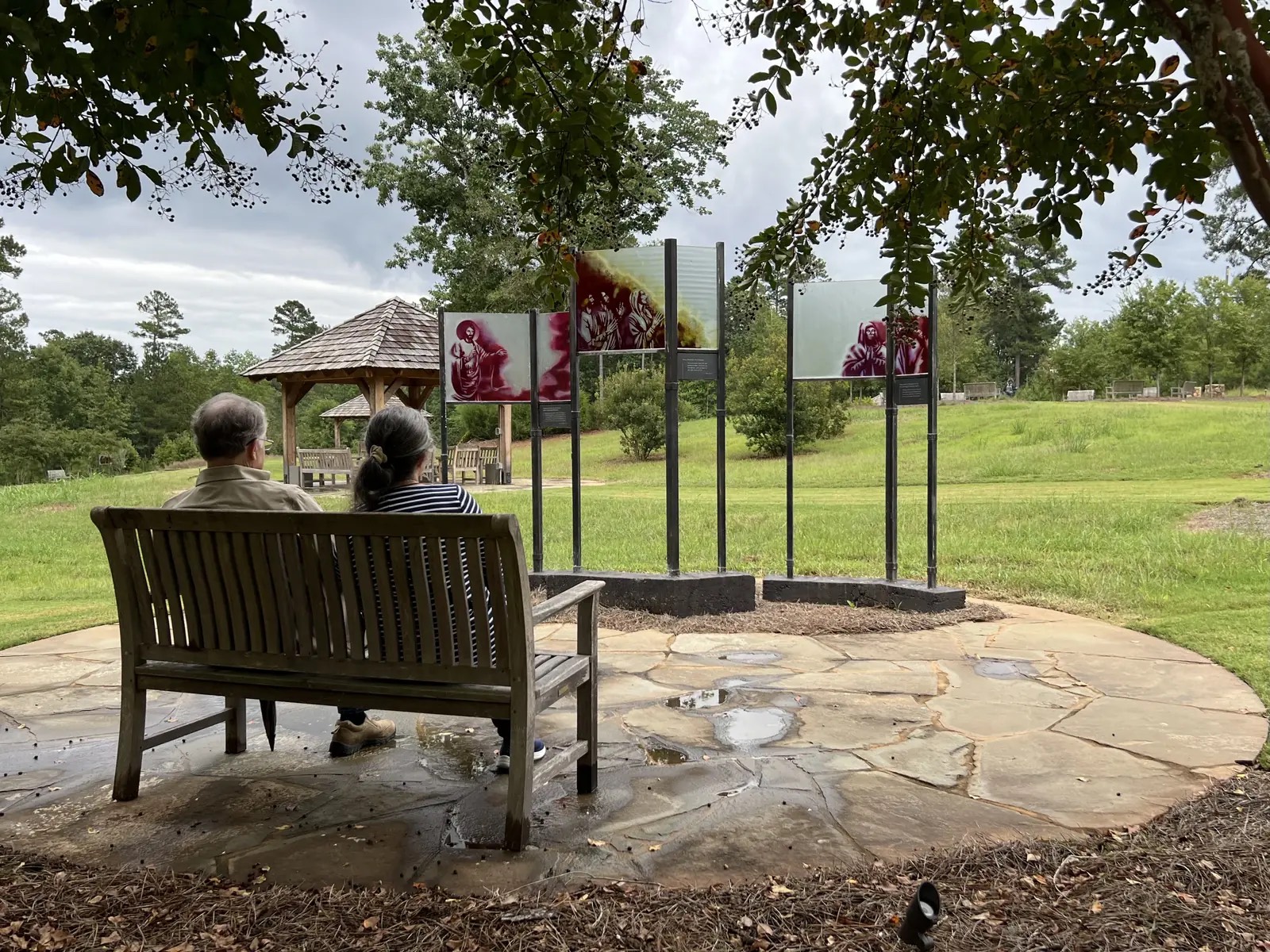
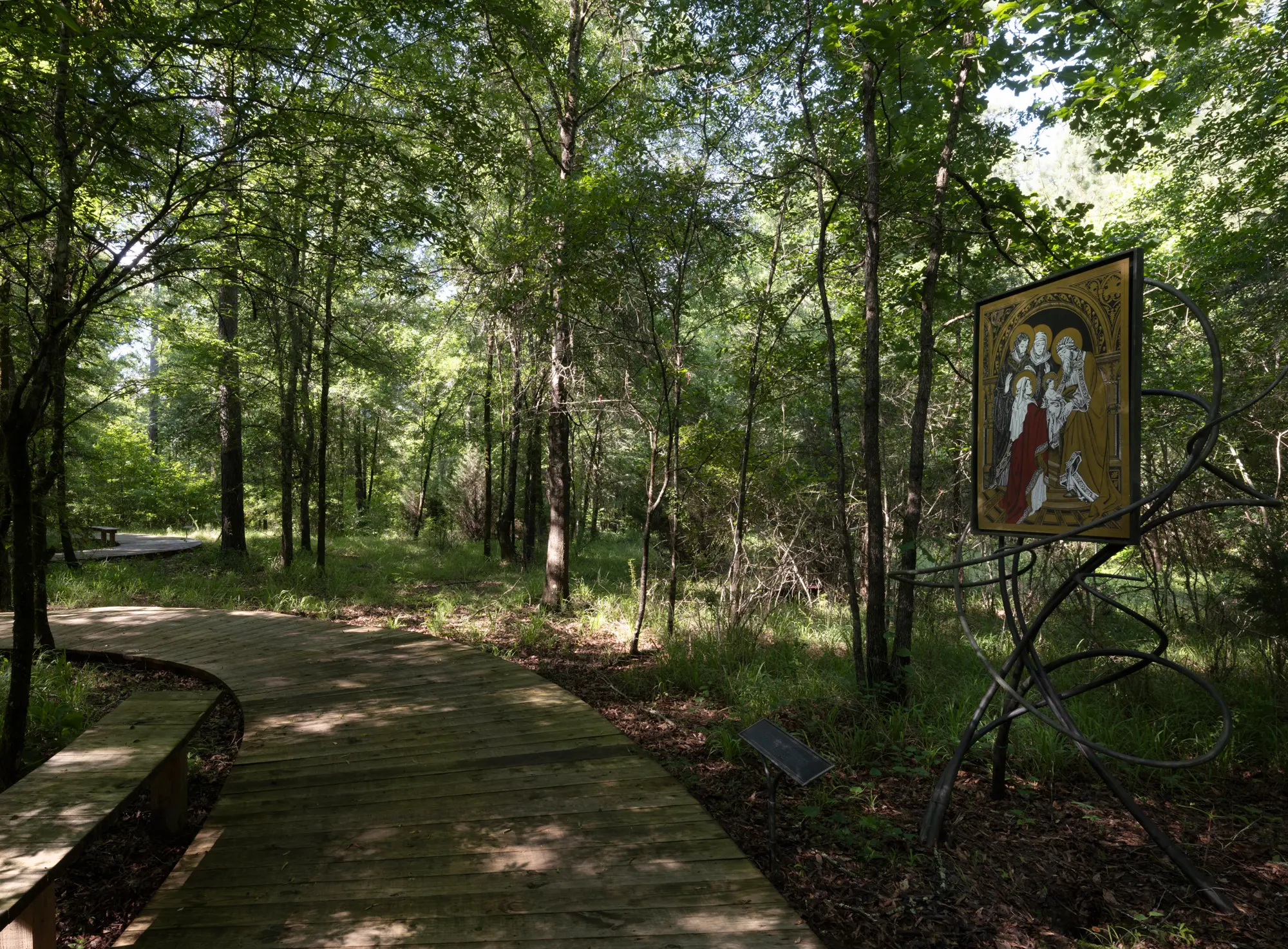
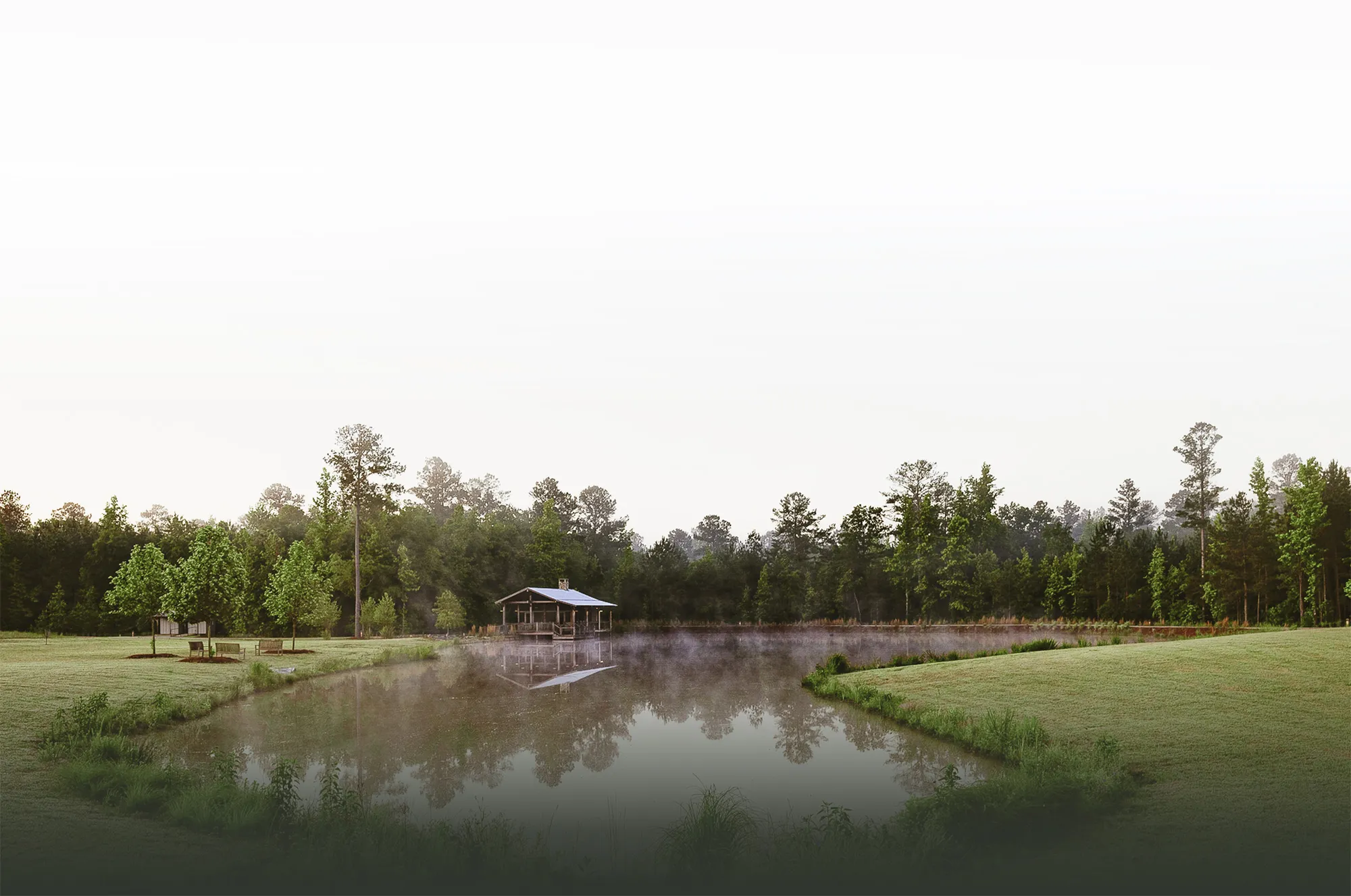
Places like Heritage in Georgia provide that kind of environment. With open space, natural surroundings, and a peaceful setting, it allows you to step away from the world and focus on what matters most. You can learn more about planning your own retreat.
Whether you’re seeking inner peace, a deeper spiritual journey, or simply a quiet moment to reflect, the most important step is giving yourself permission to go.
Sometimes, that small decision leads to an amazing experience—and the clarity you’ve been looking for.
Frequently Asked Questions
What is a spiritual retreat?
A spiritual retreat is time set aside for reflection, rest, and personal or spiritual growth. It often includes practices like meditation, prayer, or quiet time in nature, helping you reconnect with your inner self and find clarity.
Why go on a spiritual retreat?
People choose a retreat when they feel overwhelmed, disconnected, or in need of healing. It provides space for self reflection, emotional reset, and a deeper sense of peace and purpose.
How long should a spiritual retreat be?
A retreat can be as short as a few days during the week, a weekend, or longer depending on your needs. Even a few days can create meaningful transformation and help you reset mentally and emotionally.
What types of spiritual retreats are available?
There are many different types, including silent retreats and faith-based experiences. Each offers a different approach, so it’s important to choose what feels right for you.
Do I need experience to attend a retreat?
No experience is needed. Whether it’s your first retreat or you’ve attended similar retreats before, the experience is designed to meet you where you are.