Planning a retreat takes more than picking dates and booking rooms. A meaningful experience comes from thoughtful structure, clear goals, and a setting that supports both connection and reflection. This guide walks through group spiritual retreat planning in a practical, grounded way so your time away feels worthwhile for everyone involved.
Whether you're organizing a group retreat for a church, nonprofit, or mission-driven team, the goal is the same: create space for people to reconnect, reset, and move forward with clarity while supporting spiritual growth, personal growth, and a deeper sense of community.
Start With Purpose, Not Logistics
Before you think about venues or schedules, get clear on why you are planning this retreat. Strong discernment setting and clear intentions shape every decision that follows and help define your group’s spiritual goals.
Some retreats are built around growing in faith together, while others are designed to provide mental clarity and reduce stress. When your purpose is clear, your retreat format, retreat schedule, and overall retreat experience become easier to define.
Choose a Setting That Supports the Experience
The environment plays a bigger role than most planners expect. The right location should feel different from daily life and create room for personal reflection, quiet moments, and meaningful connection.
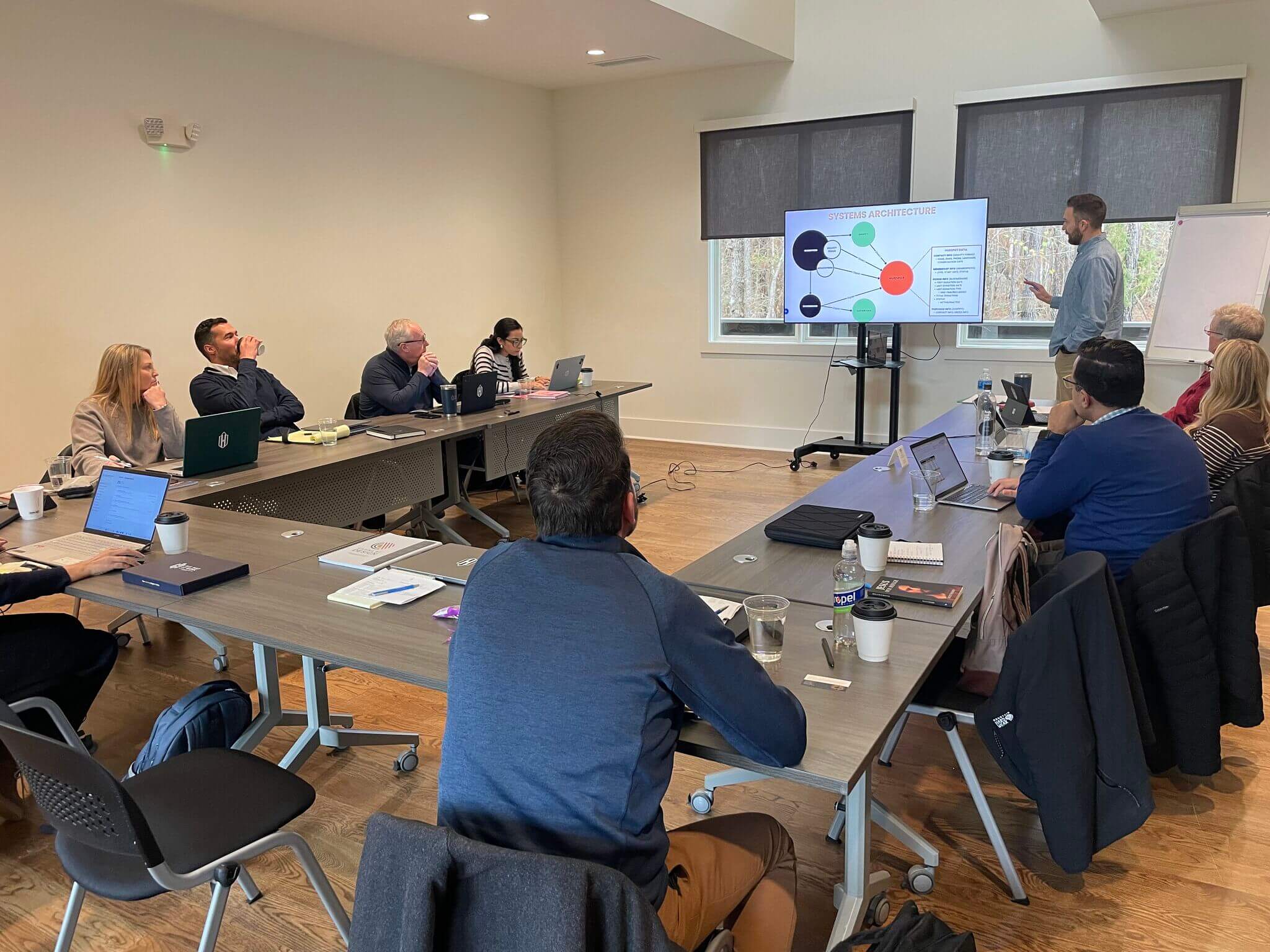
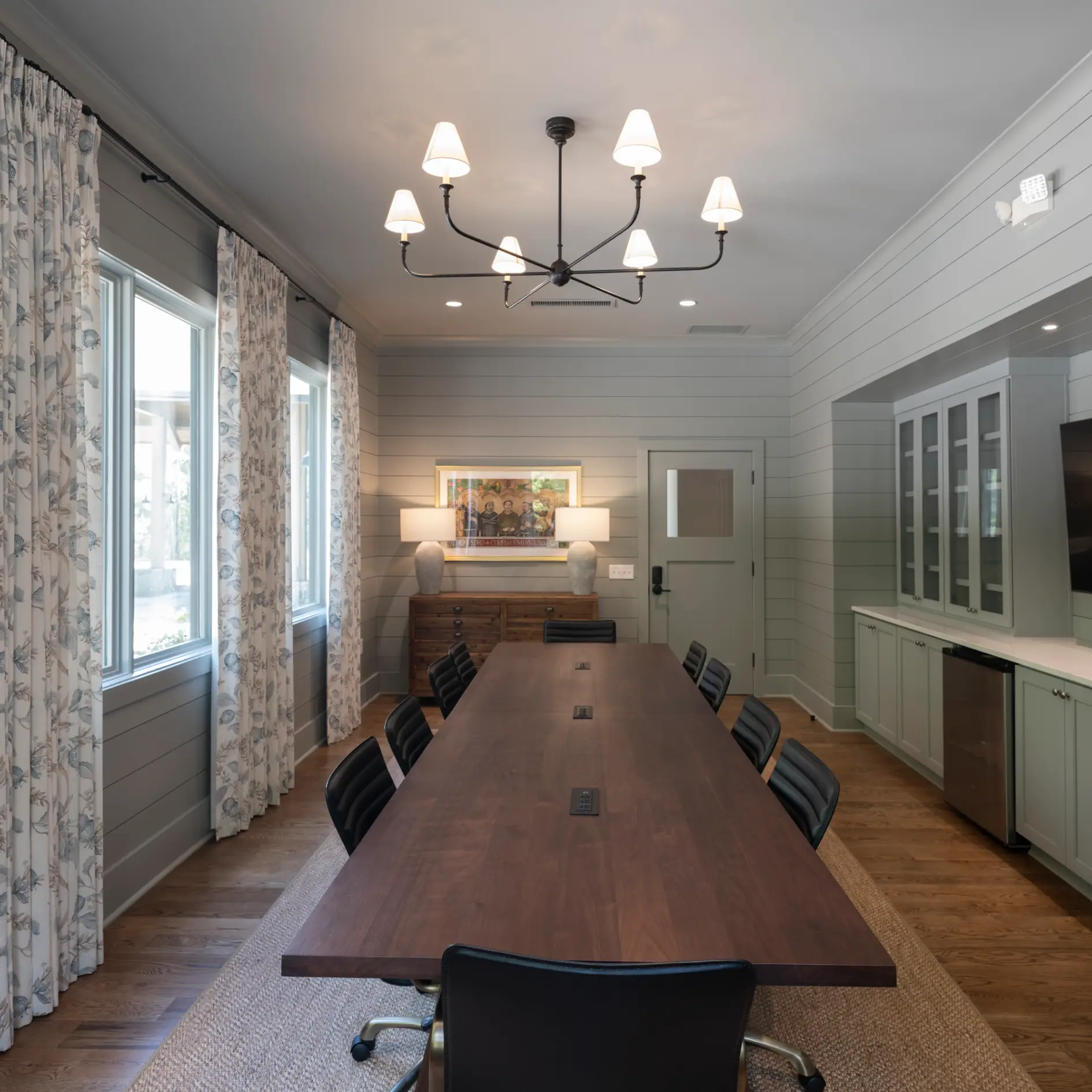
Look for a retreat center that offers peaceful surroundings, comfortable accommodations, and flexible meeting areas. It should support both structured guided sessions and unstructured free time.
At Heritage, the setting naturally encourages this balance. The property spans 200 acres with walking trails, open grounds, and preserved sacred sites. The Church of the Purification, part of Georgia’s oldest Catholic settlement, reflects deep spiritual traditions while remaining welcoming to all groups .
If you are searching for a church group retreat, prioritize a place that allows participants to feel fully present, supported, and able to go deeper in faith.
Build a Simple and Balanced Schedule
One of the most common mistakes in retreat planning is doing too much. A packed schedule can limit reflection and leave participants feeling overwhelmed instead of renewed.
A thoughtful retreat schedule should include guided sessions, group discussions, and time for personal retreat moments. It should also leave room for free time, rest, and breathing room.
Include opportunities for group sharing circles, walking meditation, or gentle physical activities. These moments support both mental clarity and connection.
When the schedule feels balanced, people can fully engage and remain fully present throughout the retreat.
Plan Content Around Your Group Spiritual Retreat Planning
Every group is different, so your retreat should reflect the needs of your participants. Avoid a one-size-fits-all approach and instead focus on meaningful, relevant experiences.
For church groups, this may include prayer, spiritual direction, and small group conversations. For organizations, it might include team building activities, group activities, and structured team building sessions that encourage collaboration.
The most effective retreats combine specific practices with space for creative expression, group discussions, and shared reflection. Smaller breakout sessions or small groups often lead to more honest conversation and valuable insights.
Think Through the Details Early
Logistics may not be the most inspiring part of planning, but they shape the entire experience. This is where clear practical steps and a structured retreat planning checklist become essential.
You will need to consider your group's size, accommodations, transportation, meeting spaces, meals, and communication. Taking time to check in on these details ensures everything runs smoothly.
At Heritage, many of these elements are handled in one place. Lodging, meeting spaces, and meals are coordinated on-site, allowing organizers to focus on the retreat itself. Meals are provided as part of the experience, and outside food is not permitted in certain areas .
Make Space for Real Connection
Retreats are not just about sessions. They are about spending time together in a way that fosters connection and shared understanding.
Connection often happens in simple ways. Conversations after sessions, shared meals, or a quiet walk through nature can create a deeper connection than structured content alone.
These shared experiences help build trust, strengthen community, and create a sense of collective energy that carries beyond the retreat.
Let the Environment Do Some of the Work
A strong retreat setting supports reflection without forcing it. Natural surroundings and intentional spaces can guide participants into deeper awareness and calm.
At Heritage, groups often use walking trails for nature walks, areas for meditation practice, and open spaces for reflection. These moments allow individuals to pause, reflect, and reconnect with their purpose.
Even for those not focused on a traditional spiritual retreat, the environment supports relaxation, reflection, and clarity.
Keep Communication Clear
Before your group arrives, make sure expectations are simple and clear. Share the schedule, what participants should bring, and how the retreat will flow.
Clear communication helps participants feel prepared, supported, and ready to fully engage in the experience.
End With Intention
The closing moments of a retreat shape how it is remembered. Take time for group reflection, conversation, or a final moment of expressing gratitude.
This allows participants to process their experience, reflect on what they have learned, and carry those insights into daily life.
A Simple Retreat Planning Checklist
If you want a quick reference, keep these retreat planning essentials in mind. Begin with your purpose and define your goals. Confirm your group size and choose the right location. Build a balanced schedule that includes sessions, reflection, and rest.
Plan your content carefully, communicate clearly, and make sure there is enough space for connection and personal time. Close the retreat with intention so participants leave feeling grounded and clear.
Why the Right Place Matters
Even the best planning depends on the environment. A well-designed retreat center supports both structure and reflection.
Heritage offers a setting where history, nature, and hospitality come together. The property provides space for gatherings, quiet reflection, and meaningful connection across its 200 acres. It is designed for groups who want to focus, reconnect, and step away from the pace of daily life.
Heritage welcomes churches, nonprofits, and mission-driven organizations, offering a retreat experience that balances comfort, purpose, and connection.
Plan Your Next Retreat With Confidence
If you are exploring church retreat ideas or beginning your retreat planning process, focus on what matters most. Clear purpose, thoughtful structure, and the right setting create the foundation for a meaningful experience. From there, everything else falls into place.
Frequently Asked Questions
What is the first step in group spiritual retreat planning?
The first step is defining your purpose and setting clear intentions. When your spiritual goals and outcomes are clear, it becomes much easier to design a retreat that supports reflection, connection, and meaningful growth for all participants.
How far in advance should you plan a church retreat?
Most retreats should be planned three to six months in advance. This gives enough time to coordinate schedules, confirm attendance, and organize the experience without unnecessary stress.
What makes a good retreat center?
A strong retreat center provides a peaceful setting, comfortable accommodations, and flexible spaces for both group sessions and personal reflection. It should support both structure and relaxation while allowing participants to fully engage in the experience.
What should be included in a retreat planning checklist?
A checklist should include your purpose, group size, location, schedule, session planning, meals, accommodations, and communication. It should also account for free time, reflection, and opportunities for connection.
How do you keep participants engaged during a retreat?
Engagement comes from balance. Combining guided sessions with time for rest, reflection, and conversation helps participants stay present. When the experience feels relevant and well-paced, people naturally engage more deeply.
Can non-church groups plan a retreat at Heritage?
Yes, Heritage welcomes a wide range of groups, including nonprofits, leadership teams, and mission-driven organizations. While rooted in historic Christian heritage, the space is designed to support connection, reflection, and renewal for many types of groups .