Many people read the Bible regularly but aren't always sure how to move from reading Scripture to truly praying with it. It's one thing to understand a passage intellectually; it's another to allow God's Word to speak personally into your life.
This is where Lectio Divina comes in. For centuries, Christians have used this prayerful approach to Scripture as a way to slow down, listen, reflect, and deepen their relationship with God. Rather than studying the Bible for information alone, Lectio Divina invites us to encounter God through His Word.
Whether you're new to the practice or looking to strengthen your prayer life, this guide will help you understand the lectio divina meaning, the history behind it, and the simple steps you can begin using today.
What Is Lectio Divina (Divine Reading)?
At its core, Lectio Divina is a way of praying with Scripture.
The phrase lectio divina is Latin and translates to "divine reading" or "sacred reading." While many people ask, "What is Lectio Divina?", the answer is surprisingly simple: Lectio Divina involves reading Scripture in a way that becomes prayerful listening for God's voice and a response in prayer.
Unlike Bible study, which often focuses on learning historical context or theological concepts, Lectio Divina emphasizes personal encounter with the Living Word of the Bible. The goal is not to analyze every detail of a passage but to allow God's Word to shape your heart and draw you closer to Him.
This ancient practice encourages attentiveness, reflection, and openness to the Holy Spirit. It reminds us that Scripture is not merely a text to be read but a living word that continues to speak to each person today.
The History of Lectio Divina
The roots of Lectio Divina stretch back to the early centuries of Christianity.
Monks in the early Church developed the practice as a way of immersing themselves in Scripture throughout the day. It became especially important within the Benedictine tradition after St. Benedict emphasized prayerful reading as part of monastic life.
In the 12th century, a Carthusian monk named Guigo II described the process in his famous work The Ladder of Monks. He compared the spiritual journey to climbing four rungs of a ladder that lead the soul closer to God. These four movements eventually became known as the classic Lectio Divina steps:
- Lectio (Reading)
- Meditatio (Meditation)
- Oratio (Prayer)
- Contemplatio (Contemplation)
Although the practice began in monasteries, it was never intended to remain there. Today, Christians around the world use Lectio Divina as a simple and accessible way to pray with Scripture in everyday life.
Is Lectio Divina a Catholic Thing?
This is one of the most common questions people ask.
The answer is yes—Lectio Divina is deeply rooted in Catholic tradition and has been practiced for centuries by monks, religious communities, clergy, and laypeople, with a place in the broader Christian life as well. The Catholic Church continues to encourage the faithful to engage with Scripture through prayerful reflection.
At the same time, Lectio Divina is not limited exclusively to Catholics. Many Protestant and Orthodox Christians have also embraced the practice because of its focus on listening to God's Word.
Still, when people search for "Lectio Divina Catholic", they are discovering a tradition that has long been treasured within Catholic spirituality and remains an important part of the Church's approach to prayer and Scripture.
Understanding the Four Lectio Divina Steps as a Prayer Method
One reason Lectio Divina has endured for centuries is its simplicity. Its classic form is a prayer method built around four stages. The process can be practiced almost anywhere and requires only a Bible, a few moments of quiet, and a willingness to listen.
Lectio: Reading
The first step is reading.
Choose a short passage of Scripture and read it slowly. This kind of spiritual reading is meant to be prayerful and unhurried. Rather than rushing through multiple chapters, focus on a few verses. Read the passage more than once and pay attention to words or phrases that stand out, as the text may shed light on what God wants you to notice.
The goal is not to gather information but to become attentive. What seems to capture your attention? What words linger in your mind?
Many people find it helpful to read aloud, allowing the words to sink in more deeply.
Meditatio: Meditation
The second step invites reflection.
As you read the passage again, consider why a particular word or phrase has captured your attention. What might God be saying through it? How does it connect to your current circumstances, challenges, hopes, or questions, or what memories, associations, or personal story does it bring to mind?
This stage is less about intellectual analysis and more about pondering Scripture in your heart.
Take your time. Let the passage unfold naturally, and notice any interior feelings that arise.
Oratio: Prayer
The third movement is response.
After listening to God's Word, respond in prayer. Let this be a dialogue with God about what arose during your reflection, even in simple words such as, "Father, guide me," or "Lord, help me." Offer gratitude, ask questions, seek guidance, or express concerns.
There is no perfect formula.
The conversation may be simple and quiet, but it flows directly from your encounter with Scripture.
Contemplatio: Contemplation and the Holy Spirit
The final step is resting in God's presence.
After reading, reflecting, and praying, finally enter a final time of silence and simply be still. Let go of words and remain open to God's presence.
Contemplative prayer depends on the Holy Spirit, whose grace draws the soul toward union with God. It is often the most challenging step because we are accustomed to constant activity, yet this quiet receptivity can become a gift.
Pope Benedict XVI said the Holy Spirit illuminates mind and heart.
Rather than doing something, you are simply being with Him, able to sit quietly before God.
How Do I Practice Lectio Divina?
The beauty of Lectio Divina is that anyone can begin, even without being taught a complex technique.
You don't need extensive theological knowledge or years of spiritual experience. A few simple guidelines can help make the practice more meaningful.
Start by choosing a quiet place where you can focus without distractions. Read a short Scripture passage slowly and move through the four traditional stages.
Many beginners find that 15 to 20 minutes is enough, for example, moving slowly through the steps in a simple routine. As the practice becomes more familiar, you may naturally spend more time in prayer gardens and reflection.
Consistency matters more than length. Even a brief daily practice can have a profound impact over time.
Choosing a Scripture Passage for Lectio Divina
If you're unsure where to begin, start with passages that naturally invite prayer and reflection.
Popular choices include:
- The Gospels, especially stories about Jesus' encounters with individuals
- The Psalms
- The Beatitudes (Matthew 5:1–12)
- Parables such as the Good Samaritan or the Prodigal Son
- Sunday's Mass readings
Many Catholics incorporate Lectio Divina into their preparation for Mass by praying with the upcoming readings during the week.
Short passages often work best because they allow you to focus deeply rather than rushing through larger sections of Scripture.
Can Lectio Divina Be Done in a Group?
Absolutely.
Although many people practice Lectio Divina alone, it can also be a powerful group experience. Parish groups, retreat participants, Bible studies, and faith-sharing communities often use the method together.
In a group setting, participants typically read the same passage and share reflections after a period of silent prayer. Hearing how God speaks through Scripture to different people can deepen everyone's understanding and faith.
Group Lectio Divina also creates space for meaningful conversation rooted in God's Word rather than personal opinion.
For many participants, retreat settings provide an especially helpful environment for learning the practice because distractions are minimized and silence becomes easier to embrace.
Common Misunderstandings About Lectio Divina
People sometimes hesitate to try Lectio Divina because they assume they need special knowledge or mystical experiences.
In reality, the practice is remarkably simple.
You do not need to discover a hidden meaning in every passage. You do not need to hear an audible message from God. You do not need to force insights or emotions.
Instead, Lectio Divina is about creating space for God to speak through Scripture in His own way and timing.
Some days a particular verse may resonate deeply. Other days the experience may feel quiet and ordinary. Both are valuable.
Faithfulness to the practice matters more than dramatic experiences.
Why Lectio Divina Matters Today
Modern life often leaves little room for silence.
Many people move quickly from one responsibility to the next, constantly absorbing information but rarely slowing down enough to reflect. Lectio Divina offers a different rhythm—one rooted in attentiveness, prayer, and listening.
By engaging Scripture in a contemplative way, we learn to recognize God's presence in daily life. We become more aware of His guidance, more attentive to His voice, and more grounded in faith.
This ancient practice remains relevant because it addresses a timeless human need: the desire to encounter God personally.
Deepening Your Practice Through Retreat
While Lectio Divina can be practiced anywhere, many people discover its richness most fully during a retreat.
A retreat offers something that everyday life often cannot: uninterrupted space for prayer, silence, and reflection. Away from constant distractions, it becomes easier to listen attentively to Scripture and cultivate a deeper relationship with God.
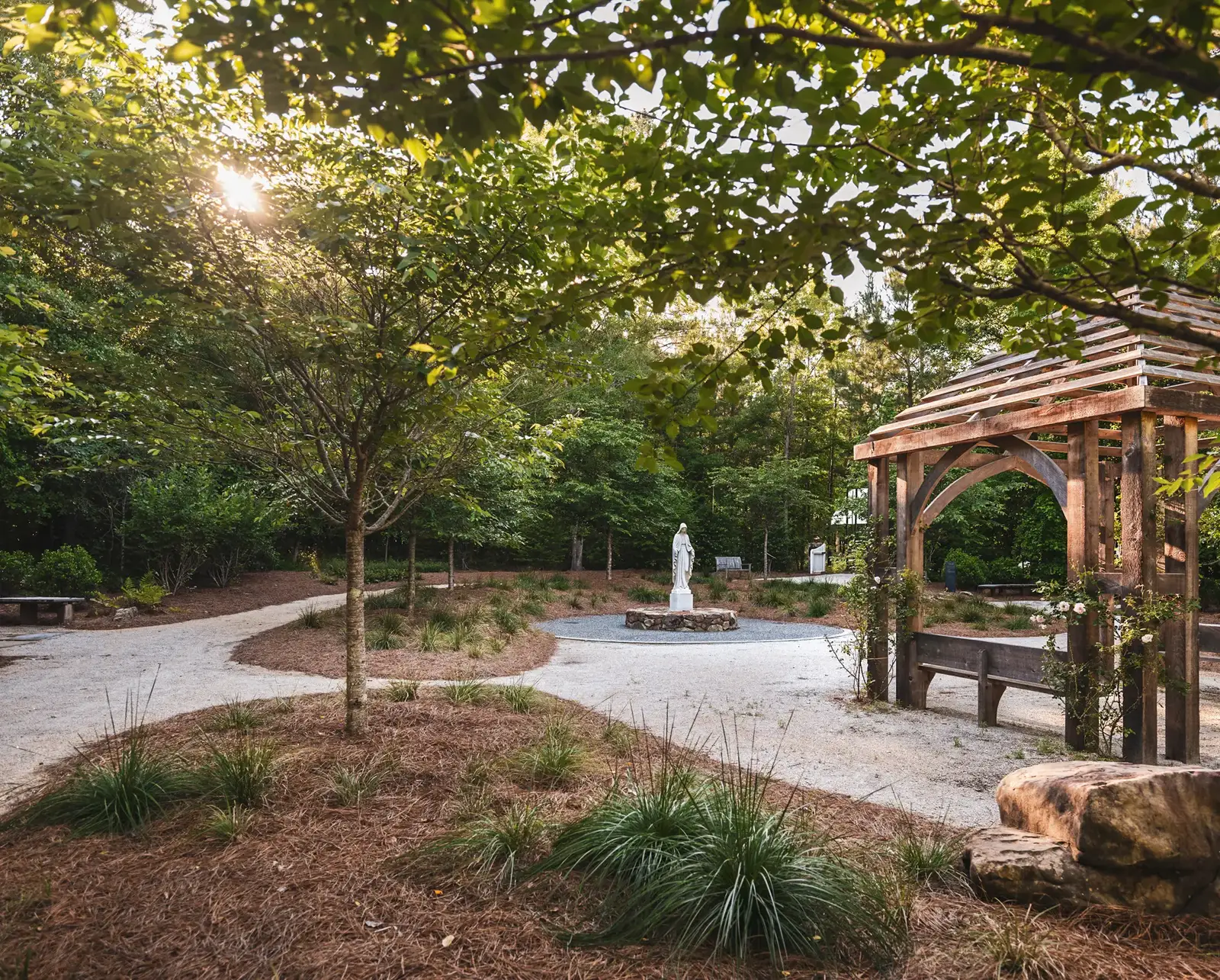
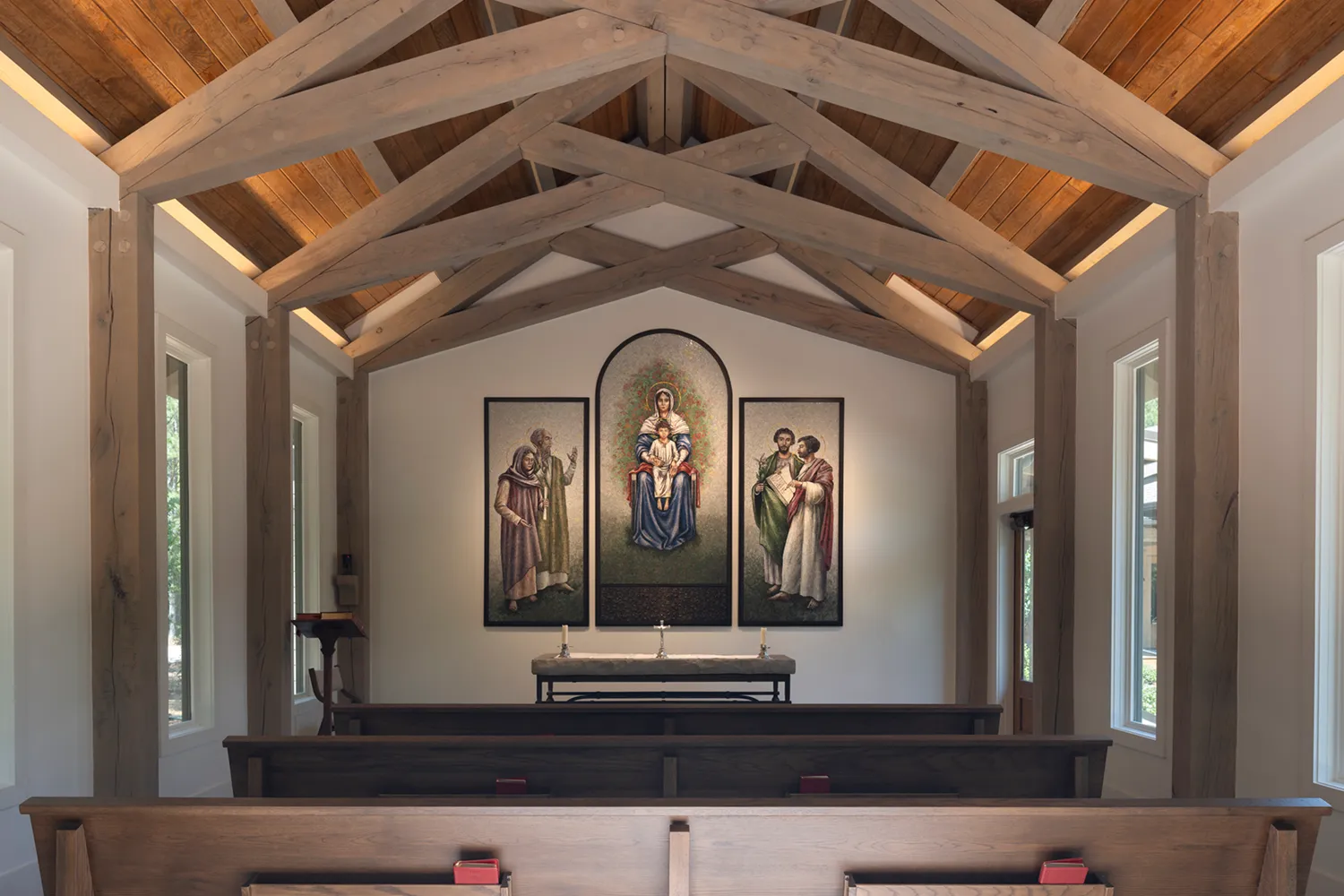
At Heritage, guests often encounter this rhythm through personal reflection, quiet spaces, and opportunities for prayer across the property's historic grounds. Whether spending time in the Prayer Gardens, visiting the chapel, participating in one of Heritage's spiritual retreats in Georgia, or exploring themes of faith joining a silent retreat at Heritage. The peaceful setting near Crawfordville, Georgia, creates a natural environment for slowing down, listening, and allowing God's Word to take deeper root, helping create an inner chapel of prayerful attentiveness.
Final Thoughts
The meaning of Lectio Divina is beautifully simple: reading Scripture not merely to gain knowledge, but to encounter God.
Through the four traditional Lectio Divina steps—reading, meditation, prayer, and contemplation—this ancient Catholic practice transforms Bible reading into a living conversation with God. Whether practiced alone at home, with a parish group, or during a retreat, it offers a path toward deeper faith and greater attentiveness to God's presence.
If you're looking for a place to step away from daily distractions and cultivate a richer prayer life, Heritage's peaceful retreat environment provides the space to slow down, reflect, and experience Scripture in a meaningful way.
Explore Heritage's retreat opportunities and discover how practices like Lectio Divina can become part of your spiritual journey.
Frequently Asked Questions About Lectio Divina
What does Lectio Divina mean in English?
The term Lectio Divina is Latin for "divine reading" or "sacred reading." It refers to an ancient Christian practice of prayerfully reading and reflecting on Scripture to deepen one's relationship with God.
What are the four steps of Lectio Divina?
The four traditional Lectio Divina steps are also known as the four stages of this prayer method:
- Lectio (Reading) – Slowly read a passage of Scripture.
- Meditatio (Meditation) – Reflect on the words or phrases that stand out.
- Oratio (Prayer) – Respond to God in prayer.
- Contemplatio (Contemplation) – Rest quietly in God's presence.
This structured form guides the reader from Scripture into contemplation.
Is Lectio Divina a Catholic practice?
Yes. Lectio Divina is deeply rooted in Catholic tradition and has been practiced for centuries by monks, religious communities, clergy, and laypeople. While it originated within the Catholic Church, many Christians from other denominations also practice it today.
How long should Lectio Divina take?
There is no required length of time. Beginners often spend 15 to 20 minutes in prayer, while others may devote longer periods. The most important factor is consistency rather than duration.
What Bible passages work best for Lectio Divina?
Short passages are usually most effective. Many people choose:
- Gospel passages about Jesus' life and teachings
- The Psalms
- The Beatitudes
- Sunday Mass readings
- Parables such as the Good Samaritan or the Prodigal Son
A brief passage allows for deeper reflection and prayer.