For many people, questions about faith don’t arrive all at once. They tend to build slowly—through life transitions, conversations, moments of stillness, or a quiet sense that something deeper is worth exploring.
Some are simply trying to understand what faith, purpose, and connection mean in their own life. Wherever the starting point, this kind of curiosity is less about immediate answers and more about creating space to reflect, to ask meaningful questions, and to consider what a deeper relationship with God might look like.
Whether you’re new to these ideas or revisiting them from a different perspective, the first step often begins with openness.
What Does It Mean to Explore Faith?
Exploring faith is less about following a defined formula and more about looking inward and engaging with deeper questions over time.
For some, it involves learning about Jesus Christ, His teachings in the Bible, and the message of the gospel found in the New Testament. These teachings often that God loves the world and sent his only begotten Son to save humanity for eternal life through the gift of grace, through faith.
At the same time, exploring Christian faith isn’t only about learning information. It’s also about beginning to realize, acknowledge, and reflect on what these beliefs might mean in your own life, your values, and your sense of purpose.
Different Paths, Shared Questions
There isn’t one single way people approach faith. Some are introduced through friends, family, or a church, while others come to it independently through study, prayer, or personal reflection. Common starting points often include the following:
- Reading God’s word in the Bible
- Learning about the life of the Lord Jesus
- Taking time to pray or quietly talk through questions
- Visiting a church or speaking with a faith leader
- Exploring environments that support reflection
In many Christian traditions, including Catholicism, becoming a Christian involves more than personal belief. It includes guidance, participation in a church community, and sacraments such as baptism. This reflects a structured path where individuals grow in faith over time rather than navigating it alone.
Creating Space for Reflection
One of the most important parts of exploring faith is having the space to do it thoughtfully.
Daily life can make that difficult. Distractions, responsibilities, and constant activity often leave little room to spend time reflecting on deeper questions about life, truth, and meaning.
That’s why many people choose to step away, even briefly. In quieter settings, it becomes easier to think, to realize what truly matters, and to begin asking questions about faith, creation, and one’s place in the world.
Experiences like spiritual retreats in Georgia can provide that kind of environment—one that supports stillness, reflection, and the opportunity to grow spiritually without pressure.
The Role of Place in Spiritual Exploration
While faith is deeply personal, the environment around you can shape how you experience it.
Places with history often invite reflection on bigger themes—life, death, purpose, and what comes beyond. They create space to consider ideas like heaven, salvation, and the belief that through grace, a person can be saved.
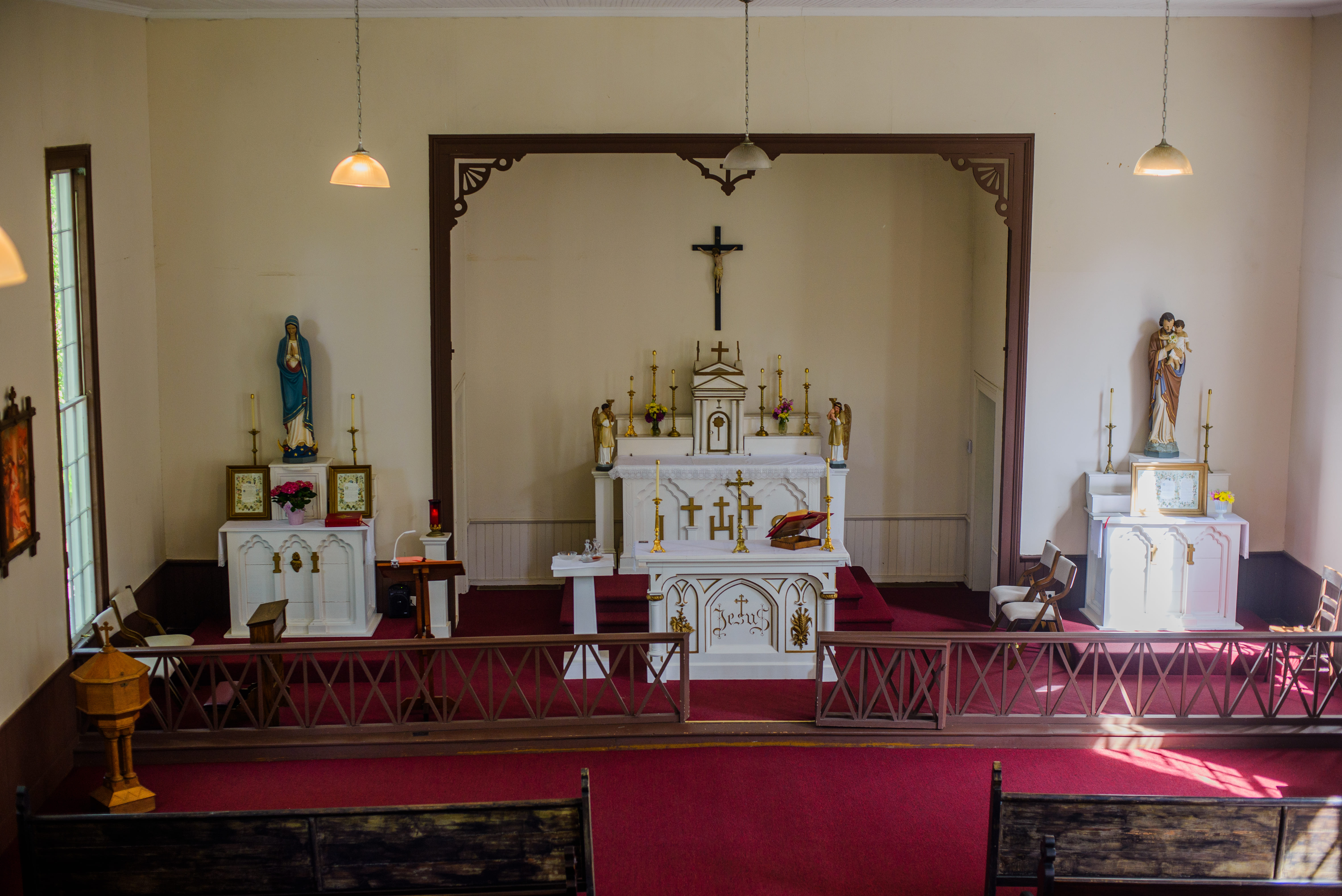
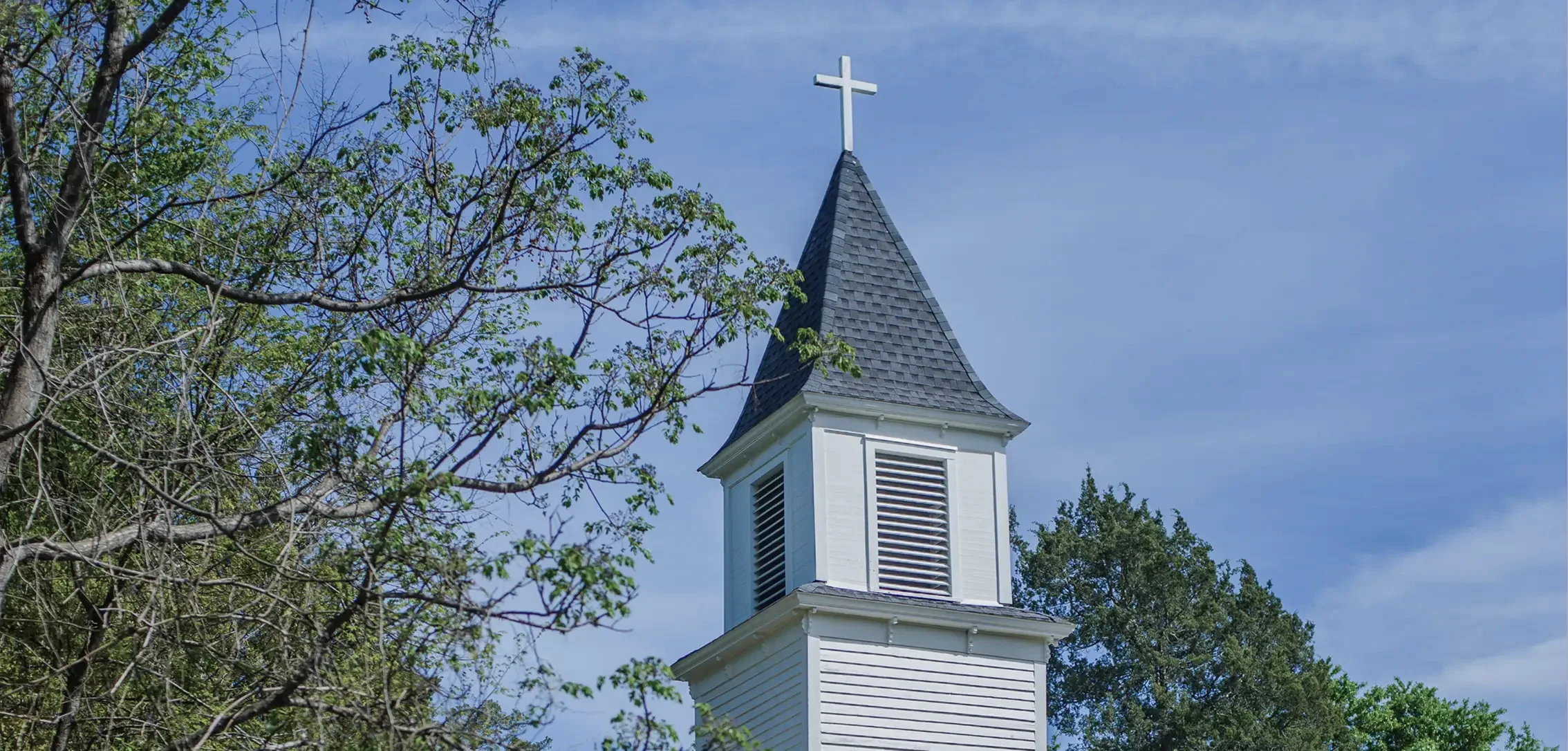
At Heritage, the Church of the Purification stands as part of Georgia’s oldest Catholic settlement. For many, simply being in a place like this encourages reflection on the message that God demonstrates His own love through Christ, and what that might mean on a personal level.
For those seeking a more immersive experience, Catholic pilgrimages offer a way to engage with faith through travel, history, and intentional time set apart.
Small, Meaningful Ways to Begin
If you’re exploring faith, it doesn’t need to start with big decisions.
For many, the first step is simply creating space to reflect and be honest about questions, doubts, or curiosity. Some begin to pray, others read Scripture, and some take time to consider ideas like repentance and forgiveness.
In Christian teaching, this often includes recognizing oneself as imperfect—a sinner who may fail—and beginning to repent, confess, or reconsider direction. But these steps are typically part of a guided journey within a church, not something to navigate alone or all at once. Small steps might include:
- Reading a passage from the Bible or the book of John, particularly the four Gospels
- Taking a few minutes to pray or sit in quiet reflection
- Visiting a meaningful place or church
- Having a conversation with someone about their experience
- Setting aside time to think beyond everyday distractions
These moments help create space for understanding to grow naturally.
Where Reflection Begins
You don’t need to have everything figured out to begin.
Sometimes, it starts with a simple question, a quiet moment, or a desire to understand what truly matters in your life. Whether you’re exploring ideas about Jesus, the meaning of the cross, or simply trying to understand your place in the world, what matters most is the willingness to begin.
If you’re looking for a place that supports that kind of reflection, you can explore more at Heritage, where history, faith, and beauty come together to create an environment for meaningful thought and connection.
Frequently Asked Questions
What is the first step in exploring Christian faith?
The first step often begins with openness and curiosity. Many people start by reading the Bible, learning about Jesus Christ, or taking time to pray and reflect. It’s less about having all the answers and more about being willing to explore what faith might mean in your life.
How does someone become a Christian in a traditional sense?
In many traditions, becoming a Christian includes both personal belief and participation in a church community. This often involves learning, repentance, and sacraments such as baptism. These steps are often guided by clergy and are part of a structured process that supports the initial instinct to want to commit one's life to Jesus and the Gospel.
Can retreats help me grow spiritually?
Yes, retreats can provide the time and environment needed to grow spiritually. By stepping away from daily distractions, you can spend time reflecting, asking questions, and exploring your thoughts in a more intentional and meaningful way.
What if I still have doubts or questions?
Doubt is a normal part of exploring faith. Many people begin with uncertainty and take time to realize, question, and understand what they believe. Faith is often shaped gradually through reflection, learning, and experience.
.jpg)