Somewhere between booking a venue and choosing a date, most engaged Catholic couples, bride and groom alike, hear the same phrase from their parish: Pre-Cana. It usually arrives as one more item on an already long list, and it's easy to wonder what exactly you're signing up for.
Is it a class? A test? A weekend away? Something you can finish online in an afternoon?
The honest answer is that Pre-Cana is less about checking a box and more about preparing for a sacrament. Understanding what it is, and why the Church asks for it, can turn it from a requirement you tolerate into time you're genuinely glad you spent with your fiance.
This guide answers the question "what is Pre-Cana," walks through what couples actually do, and looks at what marriage preparation can look like here in Georgia.
What Is Pre-Cana in the Catholic Church?
Pre-Cana is the Catholic Church's marriage preparation for engaged couples. It's the formation a couple receives before celebrating the Sacrament of Matrimony, usually through their parish or diocese.
The name comes from the wedding at Cana in Galilee (John 2:1-11), where Jesus performed His first miracle by turning water into wine. "Pre-Cana" simply means the preparation that comes before your own wedding feast. The Pre-Cana meaning is quietly beautiful: the Church places every marriage in the light of that first celebration, where Christ was present and the joy didn't run out.
This preparation isn't a modern invention. The Pre-Cana programs many parishes run today grew out of the Cana Conferences of the 1940s. The Code of Canon Law asks pastors to help couples prepare personally for marriage so they can enter it well (Canons 1063-1072). The Catechism puts it plainly: so that the "I do" of the spouses may be a free and responsible act, preparation for marriage is of prime importance (CCC 1632).
In other words, Pre-Cana exists because the Church takes your vows seriously and wants you to profess with a shared foundation.
Who Participates in Pre-Cana?
Pre-Cana is designed for any engaged couple planning to marry in the Catholic Church. That includes couples where both partners are Catholic, as well as couples where one partner is Catholic and the other belongs to another Christian tradition or another faith.
Couples attend Pre-Cana together, so if you're marrying a non-Catholic, you'll still complete marriage preparation side by side. Your priest or deacon will also walk you through the permission or dispensation the Church requires for a mixed marriage, which is a routine part of the process.
Couples who have been married before, are already living together, or are marrying later in life go through Pre-Cana, too, and many parishes adapt the program to each couple's circumstances.
When Should You Start Pre-Cana?
Most dioceses ask couples to contact their parish at least six months before the wedding, and many couples begin 9 to 12 months before the ceremony. Earlier is almost always better.
Starting early gives you room to complete each step without rushing, and it keeps marriage prep from getting squeezed between dress fittings and seating charts. Some of the most useful parts of Pre-Cana happen in the weeks after a session, when a topic you touched on comes back up over dinner.
A good first step is simple: call the parish where you hope to marry, before you put down a deposit anywhere else.
What Do You Do at Pre-Cana?
This is the question many couples really want answered. While every parish and diocese builds its program a little differently, Pre-Cana usually combines a few common elements.
Most couples meet with the priest or deacon who will witness their wedding. Many also complete a premarital inventory such as the FOCCUS inventory (Facilitating Open Couple Communication, Understanding and Study), a questionnaire that helps surface the areas where you already agree and the ones worth talking through. Then there's the formation itself, whether through a class, a retreat, a sponsor couple, or a combination.
The topics tend to be the same across formats:
- The sacrament of marriage and what it means to become husband and wife for a lifetime
- Communication and working through conflict
- Finances, careers, and family life
- Family of origin, including the habits you learned from your mother and father
- Sexuality, intimacy, and openness to children
- Natural family planning
- Faith and prayer as a couple
Most Pre-Cana courses mix presentations, discussions, and prayer. Learning to pray together, even briefly, is one of the most practical things you can take away, and exploring the ways Catholics pray together can be a helpful place to start.
What Pre-Cana Formats Are Available?
Because Catholic marriage preparation is shaped locally, couples often have more than one option. The right choice depends on your schedule, your parish's requirements, and how you learn best.
Weekend retreat. A retreat gathers several engaged couples for a day or a weekend of talks, conversation, and prayer. Many run from Friday evening through Sunday, and time with other couples who are in the same season tends to make the conversations deeper.
Multi-week class. Some parishes offer a Pre-Cana class that meets over several evenings. It fits well around work schedules and lets you process topics between sessions.
Sponsor couple. Many programs pair you with a married couple from the parish who meet with you over several visits. It's personal and relational, and it often creates a lasting friendship.
Online course. Online programs, usually built around short videos and exercises, have become common for couples who live far apart. They're flexible, though you'll want to confirm your diocese has approved the one you choose.
One-on-one with a priest. In some cases, particularly for smaller parishes, preparation happens mainly through meetings with the priest or deacon.
None of these is the "right" way. The best Pre-Cana experience is the one your parish accepts and the one that lets you actually slow down and talk.
Is Pre-Cana Required to Get Married in the Catholic Church?
Yes, some form of marriage preparation is required to be married in the Catholic Church. What that looks like, however, varies by diocese and sometimes by parish.
Pre-Cana requirements usually include a meeting with your priest or deacon, a premarital inventory, and a marriage preparation program or retreat. Some dioceses also require a class on natural family planning. Programs usually carry a modest fee, and when you finish you'll typically receive a certificate of completion for your parish's marriage record.
Because the details differ, ask the priest or deacon who will marry you what they require, and whether they accept programs completed in another diocese.
Can You Fail Pre-Cana?
It's a real worry, and a fair one to ask. But no, Pre-Cana isn't a test you pass or fail.
It's formation, not an exam. No one is grading your answers, and even the premarital inventory simply gives you and the person preparing you a starting point for honest conversation.
If preparation surfaces a genuine red flag, such as a concern about whether both partners are entering marriage freely, the priest may ask you to take more time. That isn't a failure. It's the Church caring about the same thing you do: a marriage built to last.
How Long Is Pre-Cana?
The length of Pre-Cana depends on the format. A retreat may run a single full day or a weekend. A class might meet for four to eight evenings. Sponsor couple programs often stretch across several months, and online courses usually take somewhere around eight to ten hours in total.
Add in the meetings with your priest and the inventory, and most couples spend a few months on marriage preparation, one more reason to begin early.
Pre-Cana in Georgia: What Couples Should Know
Georgia's Catholic Church is organized into two dioceses. The Archdiocese of Atlanta serves north and central Georgia, and the Diocese of Savannah serves the southern half of the state. Each sets its own marriage preparation guidelines, and individual parishes build on them.
That means your first call is still your parish, which can point you to the classes, sponsor couples, and retreat weekends available near you.
Georgia also has a Catholic story that's easy to overlook. Long before Atlanta was a city, English Catholic families from Maryland settled in what's now Taliaferro County in the 1790s and formed Georgia's first Catholic congregation. Their parish, the Church of the Purification, still stands today.
What a Pre-Cana Retreat at Heritage Looks Like
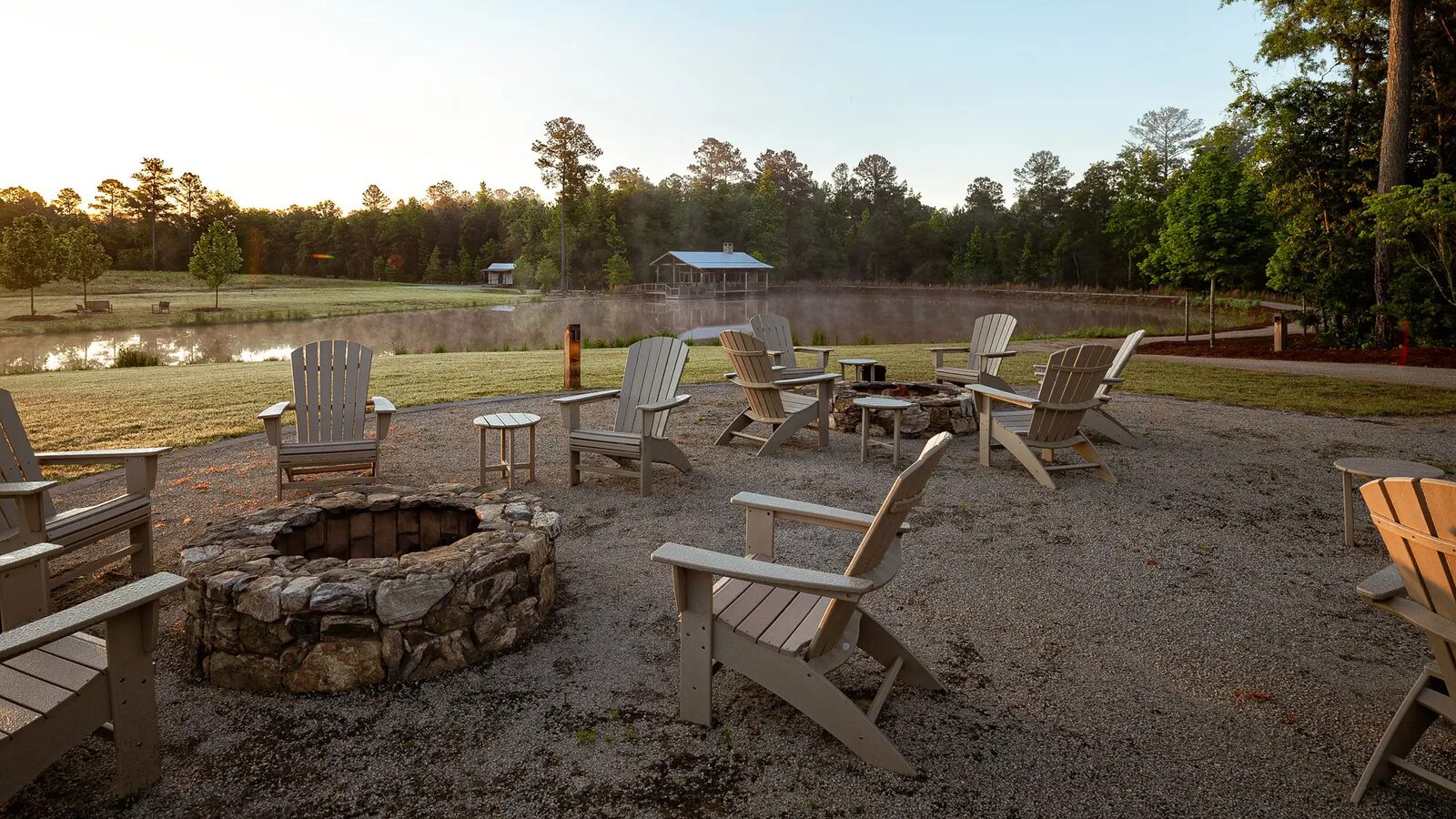
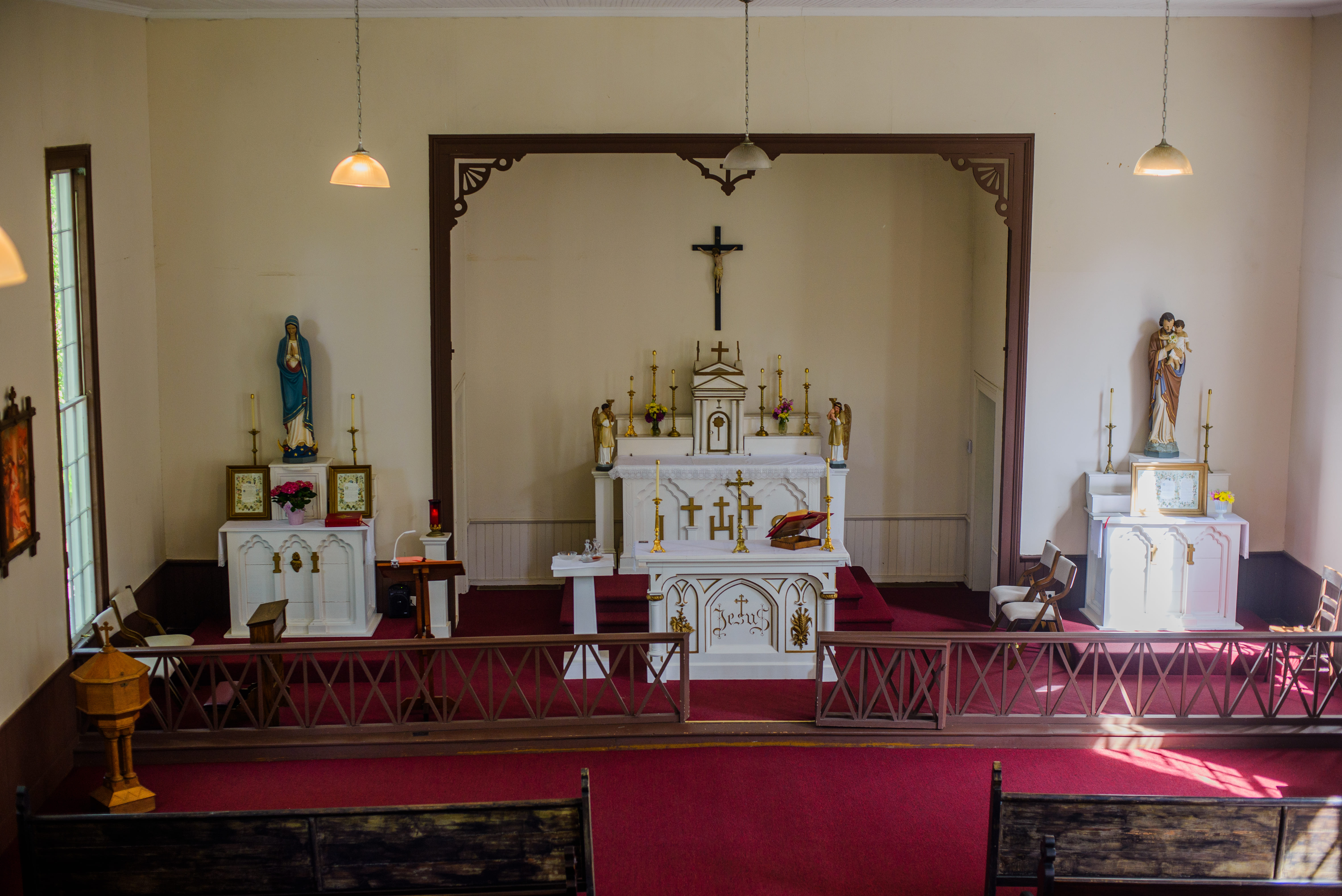
Heritage is a 200-acre retreat center in Crawfordville, under two hours from Atlanta and just off I-20. It's home to Georgia's oldest Catholic settlement and to the Church of the Purification at Heritage, built in 1883 and restored to its original beauty.
Parishes and diocesan groups can host Pre-Cana retreats at Heritage, bringing their own priest, deacon, or sponsor couples to lead the program. Heritage provides the setting and the hospitality: overnight accommodations, meeting spaces, a chapel for Mass and Adoration, and chef-prepared meals from arrival to departure.
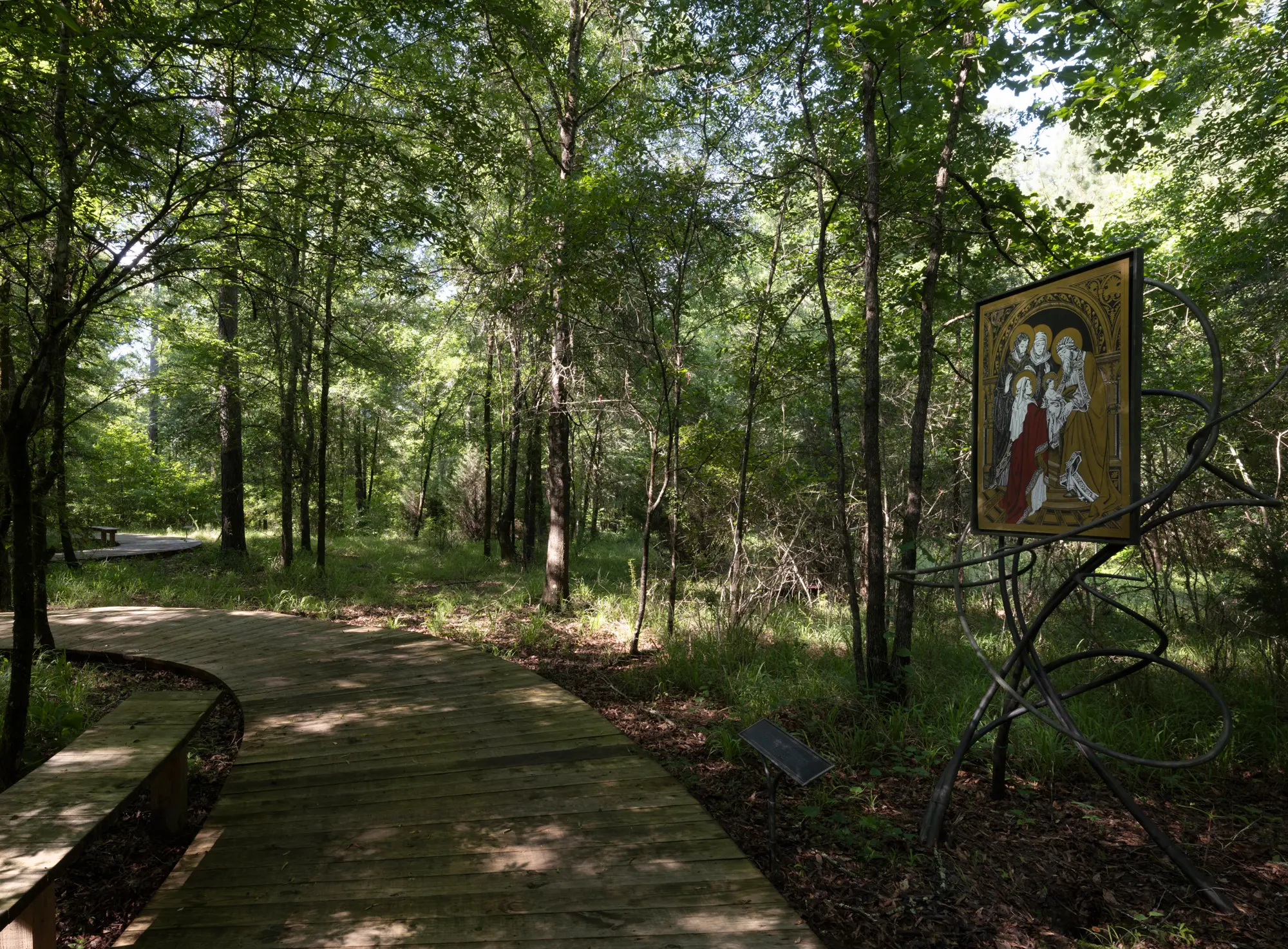
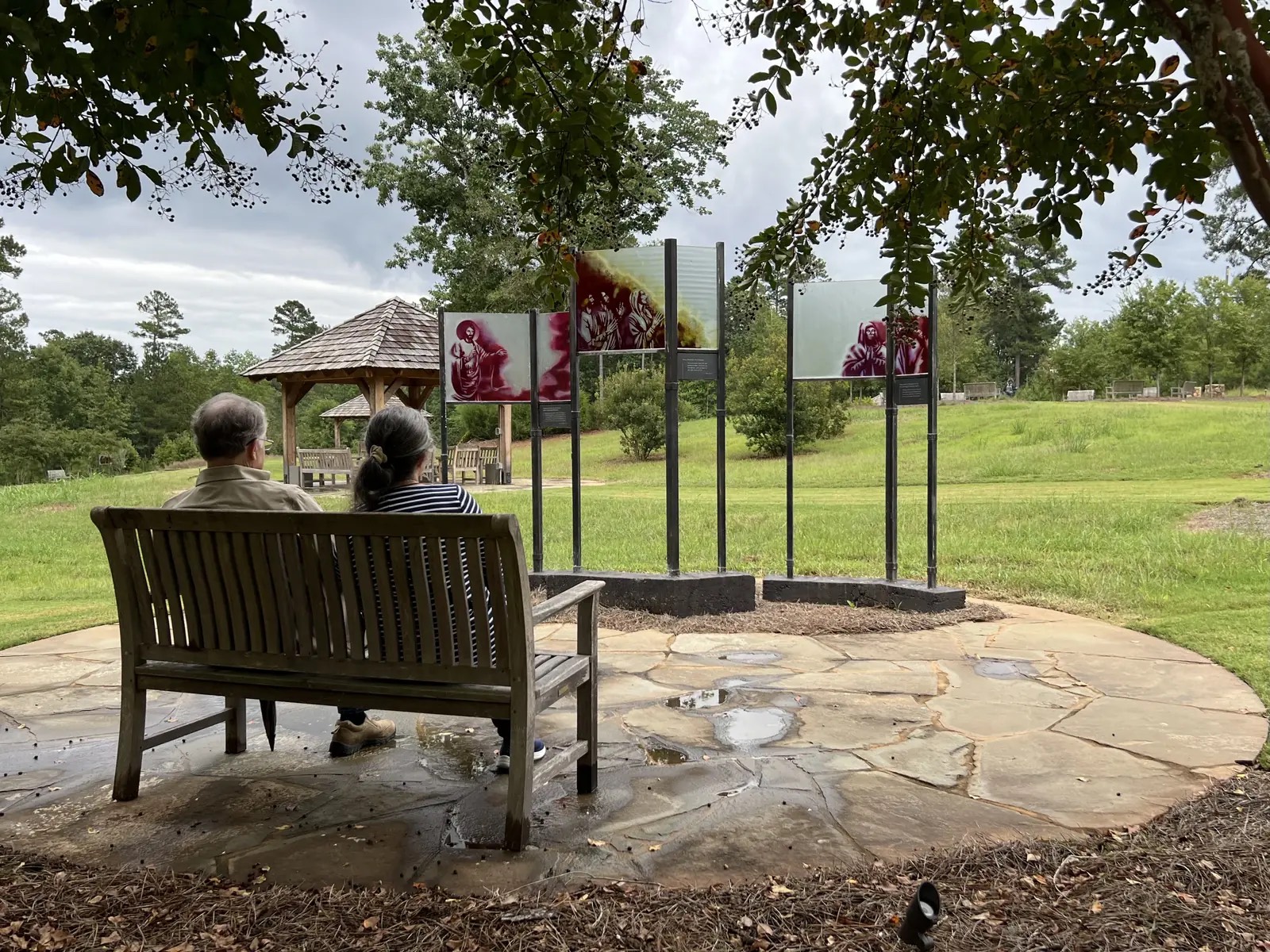
What couples will notice is the pace. Between sessions, there's time to walk the trails, sit in the prayer gardens, or simply talk without a phone buzzing between you. Shared meals with other engaged couples become their own kind of preparation.
For many couples, preparing for the sacrament in a place where Catholics have prayed for more than two centuries adds a quiet weight to the whole experience.
It's worth noting that Pre-Cana is for engaged couples. If you're already married and looking for time to reconnect, Heritage also offers marriage retreats, and you can read more about a marriage retreat near Atlanta.
Practical Next Steps for Engaged Couples
If you're just starting out, a few simple steps will make Pre-Cana feel far less overwhelming:
- Contact the priest or deacon who will marry you before booking other vendors
- Ask exactly what your parish and diocese require, including any NFP class
- Register for your program early, since retreat weekends fill up
- Set aside time after each session to keep talking as a couple
- Begin praying together, even for a few minutes a day
Final Thoughts
Pre-Cana is the Church's way of walking alongside you before your wedding day. It isn't there to test you or slow you down. It's there to help you enter marriage with clarity, honesty, and a shared sense of what you're promising.
However you complete it, give it your full attention. The conversations you start now will carry you through the years ahead.
Heritage offers parishes and dioceses a distinctive setting for Pre-Cana retreats, where Catholic faith, natural beauty, and sacred history come together.
Frequently Asked Questions
What is Pre-Cana?
Pre-Cana is the Catholic Church's marriage preparation for engaged couples. Named after the wedding at Cana in John 2, it helps couples prepare for the sacrament of matrimony through meetings with a priest or deacon, a premarital inventory, and a class, retreat, or sponsor couple program.
What do you do at Pre-Cana?
Couples talk through the topics that shape married life, including communication, finances, family of origin, intimacy and openness to children, natural family planning, and faith. Most programs combine talks, private conversations as a couple, and time for prayer.
Is Pre-Cana required to get married in the Catholic Church?
Yes. Some form of marriage preparation is required for a Catholic wedding, though the specific requirements vary by diocese and parish. Your priest or deacon will tell you exactly what's needed.
Can you fail Pre-Cana?
No. Pre-Cana is formation, not a test. The premarital inventory isn't graded, and participating honestly is what matters. If a serious concern comes up, a priest may suggest more time, but that's pastoral care rather than a failing grade.
How long is Pre-Cana?
It depends on the format. A retreat may last one day or a weekend, a parish class often runs several weeks, and a sponsor couple program can span a few months. Most couples should plan on starting at least six months before the wedding.
Can non-Catholics attend Pre-Cana?
Yes. When a Catholic marries someone who isn't Catholic, both partners complete marriage preparation together. The priest or deacon will also help with the Church's permission or dispensation for a mixed marriage.
{
  "@type": "FAQPage",
  "@id": "https://www.heritagega.org/blog/what-is-pre-cana/#faq",
  "mainEntity": [
    {
      "@type": "Question",
      "name": "What is Pre-Cana?",
      "acceptedAnswer": { "@type": "Answer", "text": "Pre-Cana is the Catholic Church's marriage preparation for engaged couples. Named after the wedding at Cana in John 2, it helps couples prepare for the sacrament of matrimony through meetings with a priest or deacon, a premarital inventory, and a class, retreat, or sponsor couple program." }
    },
    {
      "@type": "Question",
      "name": "What do you do at Pre-Cana?",
      "acceptedAnswer": { "@type": "Answer", "text": "Couples talk through the topics that shape married life, including communication, finances, family of origin, intimacy and openness to children, natural family planning, and faith. Most programs combine talks, private conversations as a couple, and time for prayer." }
    },
    {
      "@type": "Question",
      "name": "Is Pre-Cana required to get married in the Catholic Church?",
      "acceptedAnswer": { "@type": "Answer", "text": "Yes. Some form of marriage preparation is required for a Catholic wedding, though the specific requirements vary by diocese and parish. Your priest or deacon will tell you exactly what's needed." }
    },
    {
      "@type": "Question",
      "name": "Can you fail Pre-Cana?",
      "acceptedAnswer": { "@type": "Answer", "text": "No. Pre-Cana is formation, not a test. The premarital inventory isn't graded, and participating honestly is what matters. If a serious concern comes up, a priest may suggest more time, but that's pastoral care rather than a failing grade." }
    },
    {
      "@type": "Question",
      "name": "How long is Pre-Cana?",
      "acceptedAnswer": { "@type": "Answer", "text": "It depends on the format. A retreat may last one day or a weekend, a parish class often runs several weeks, and a sponsor couple program can span a few months. Most couples should plan on starting at least six months before the wedding." }
    },
    {
      "@type": "Question",
      "name": "Can non-Catholics attend Pre-Cana?",
      "acceptedAnswer": { "@type": "Answer", "text": "Yes. When a Catholic marries someone who isn't Catholic, both partners complete marriage preparation together. The priest or deacon will also help with the Church's permission or dispensation for a mixed marriage." }
    }
  ]
}