The word turns up in places that do not seem to belong together. A candlelit gathering on the news. A Saturday Mass in the parish bulletin. A family beside a hospital bed as the hours pass.
Three very different scenes, one word, and no obvious thread between them.
The thread is there, and finding it changes how you experience each one.
What Is a Vigil? The Meaning Behind the Word
A vigil is a period of intentional watching or staying awake, usually in prayer and often at night or on the eve of something significant. It is time that could have been spent sleeping and is spent instead in presence and watchfulness during an important event or transition.
The word comes from the Latin vigilia, meaning wakefulness or a watch, and shares a root with vigilant.
For Catholics and non-Catholic Christians, and anyone trying to understand a prayer gathering or liturgical observance, that basic meaning opens into several forms this article explains: the origins and biblical foundation of vigils, Vigil Masses and prayer vigils, how to hold a prayer vigil, the holy hour, vigils for the deceased, and common questions people ask.
The significance of a vigil changes with context, but the shape stays the same: wakefulness, the choice to stay present when rest would be easier, and expectation, waiting on something worth the wait. Every form asks for the same thing, uninterrupted time, which is why many people first keep watch on a silent retreat.
Keeping Watch in Scripture
Christians did not invent the vigil as a liturgical convenience. It began as a response to a request, made on the night before Jesus died.
In Gethsemane, he asks his closest friends to stay awake with him while he prays. They fall asleep, and he returns with the question that has shaped the practice ever since: could you not keep watch with me one hour? (Matthew 26:40). Scripture returns to the theme often, from the wise virgins to the watchmen waiting for morning.
A watchman is not passive. He is awake while others sleep. Much of prayer works this way, as explored in a thoughtful guide to faith and reflection.
What Is a Vigil Mass or Saturday Evening Mass, and Does It Fulfill the Sunday Obligation?
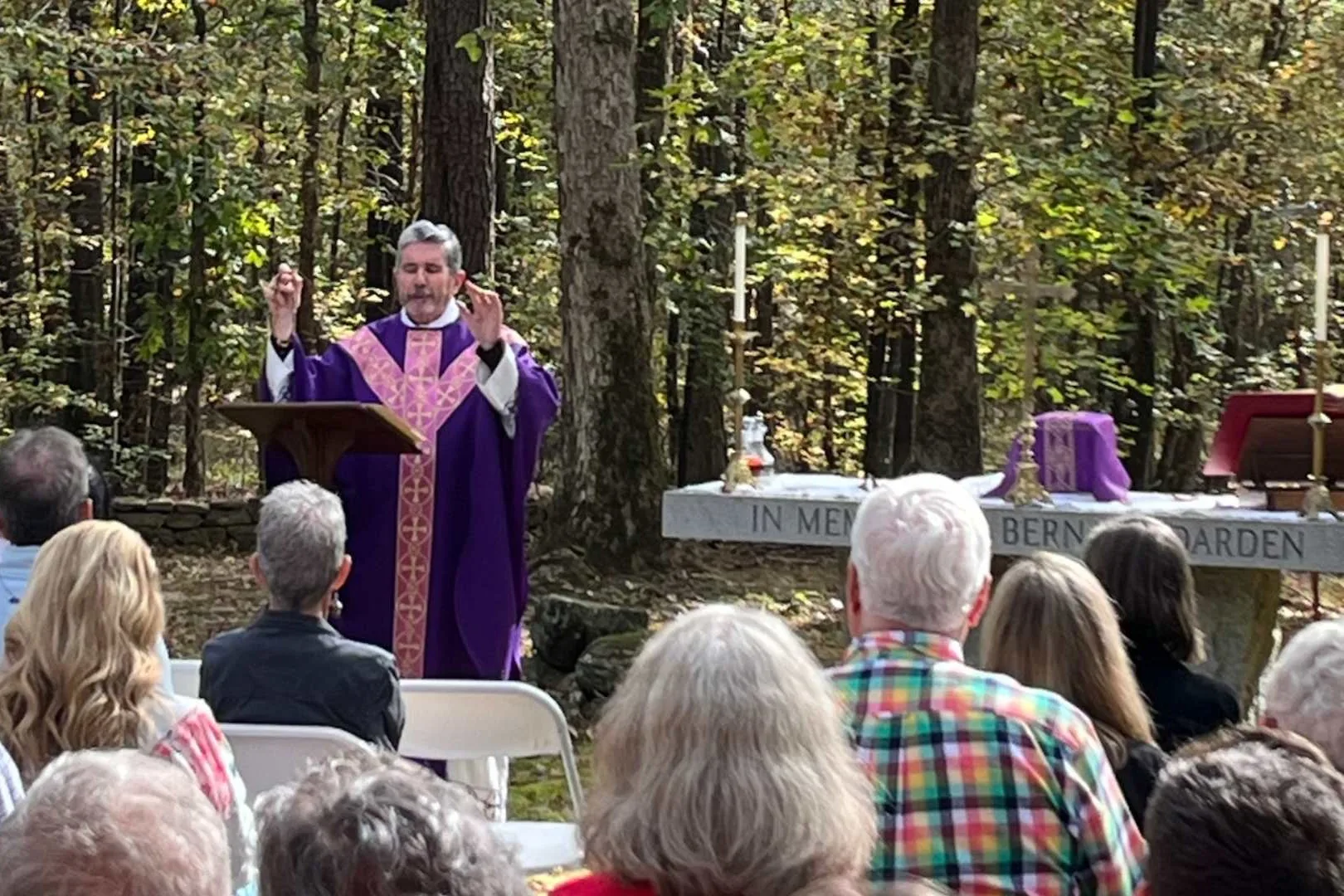
For most Catholics this is where the word is met first, and where the confusion starts. A Vigil Mass is celebrated on the evening before a Sunday or feast day, anticipating the celebration that follows. Such vigils are traditionally held on the eve of major religious festivals.
The short answer is yes. Saturday evening Mass fulfills the Sunday obligation, and the same applies to holy days. Church law allows it to be met on the day itself or the evening before, and most dioceses treat late afternoon onward as the evening. Check your parish schedule. The Easter Vigil falls between Holy Saturday and Easter Sunday.
It is not a lesser Sunday Mass, only the same celebration begun the evening before, following an older way of counting days from sundown at sunset. Similar patterns appear in other traditions, including Christmas Eve services, worship that continues toward midnight, and the Eastern Orthodox practice of All-Night Vigils before a holy day.
What Is a Prayer Vigil, and How Do You Hold One?
A prayer vigil is a stretch of sustained prayer, often through the night, gathered around a single intention, with prayer and spiritual reflection at the center in religious settings. Parishes hold them before major feasts, families during illness, and groups ahead of weighty decisions.
The structure is simpler than most people expect, and the commitment to stay matters more than the planning, as long as it creates space for connection and reflection. Three decisions shape it well:
- Name the intention plainly, since a vigil held for something specific holds attention.
- Set a beginning and an end, because open-ended times tend to drift.
- Choose a rhythm and repeat it: Scripture, silence, intercession, song.
Simple personal elements can help, such as lighting candles, readings, shared stories, poetry, or a candle service with candles nearby.
If it runs overnight with a group, divide the hours into watches so people take a turn.
The Holy Hour: Keeping Watch for One Hour
The holy hour is the vigil reduced to its essentials, an answer to the question asked in the garden. One hour, in prayer before the Blessed Sacrament.
Most people are surprised by how long an hour feels. The opening minutes are busy with distraction, the middle can feel like nothing is happening, and something usually settles near the end.
There is no required method. Some pray the rosary, some bring written intentions, many simply sit in contemplative prayer. Finding uninterrupted time is the harder part, which is why a silent retreat to keep watch in prayer is where many begin.
The Vigil for the Deceased and the Grieving Process
When someone is dying or has died, the Church's response often begins with a vigil; in the Order of Christian Funerals, this rite follows death and comes before the funeral liturgy and the rite of committal. Most know it as the wake.
Held the evening before the funeral, it gathers family and friends for Scripture, prayers, and often the rosary, a ritual shaped by history and traditions. This gathering gives loved ones space for comfort, grief, shared memories, and time to reflect at their own pace, which can be a meaningful way to honor a person's life and spirit in a sense of devotion and support. The logic is clearest here. Someone stays awake. The person is not left alone. Some families keep the body at home for a vigil for a period of several hours or longer before the burial service or cremation, giving them time to say goodbye and helping begin healing after a loss.
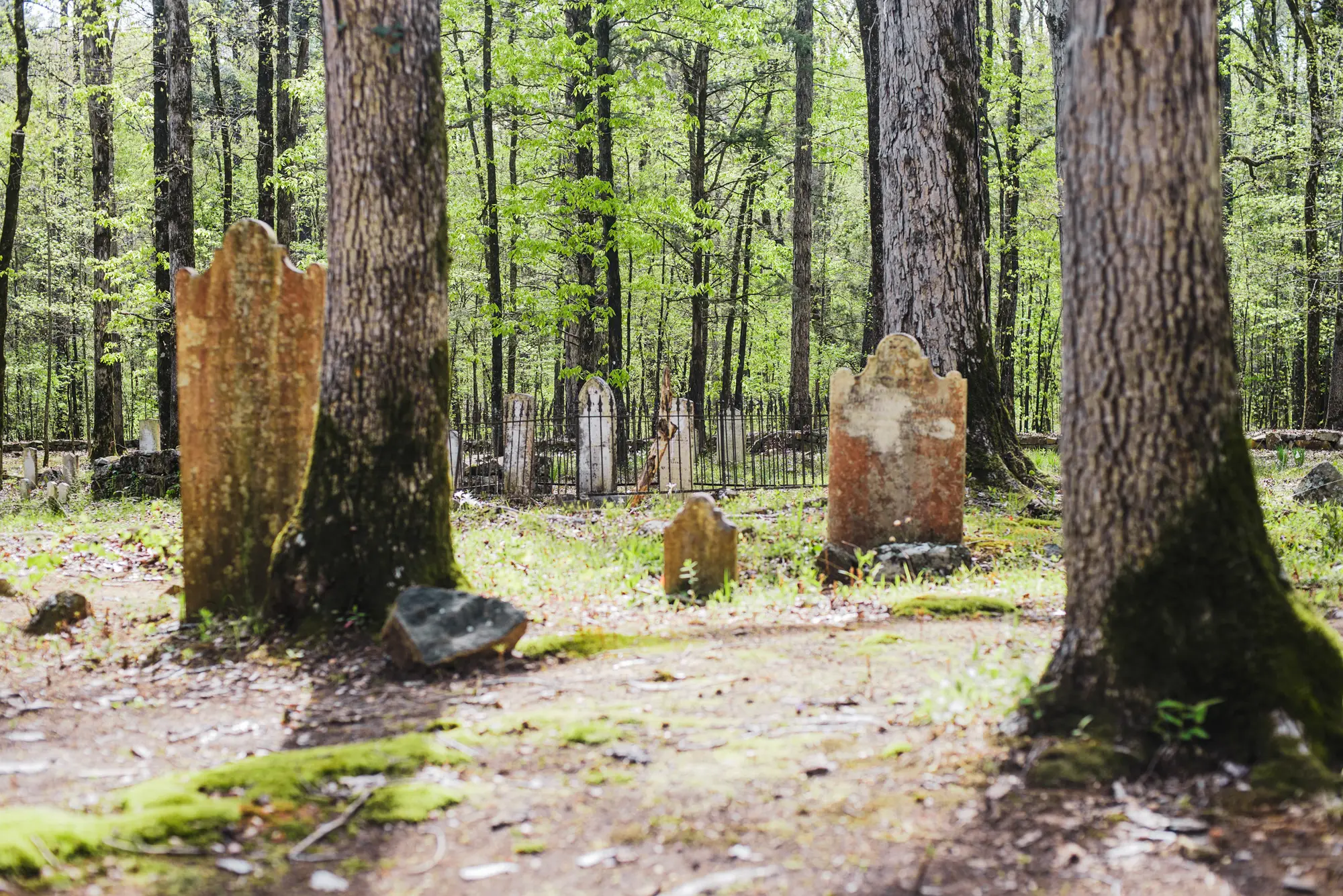
It is why cemeteries have always been places of prayer as well as burial, including Locust Grove Cemetery, Georgia's oldest Catholic cemetery.
Keeping Watch, One Hour at a Time
A vigil is time given rather than spent, and more accessible than it appears. You need no special occasion or years of practice. An hour and a quiet place are enough.
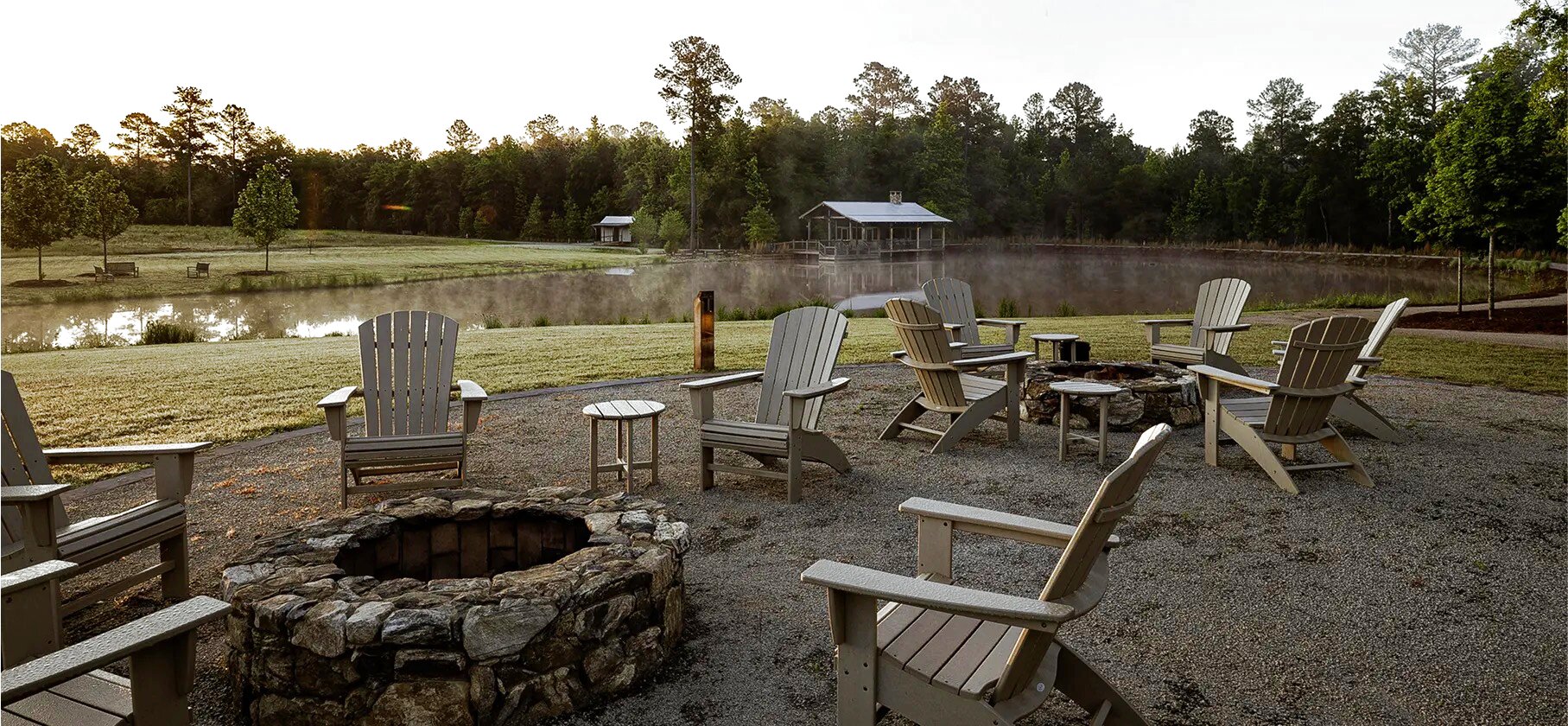
Finding the quiet is the obstacle. Heritage sits on 200 acres of rural Georgia about two hours from Atlanta, with walking trails, overnight accommodations, the prayer gardens at Heritage, and the Church of the Purification at Heritage, part of Georgia's oldest Catholic settlement.
You are welcome to come and keep watch.
Frequently Asked Questions
What is the Easter Vigil?
The greatest vigil of the year, celebrated after nightfall on Holy Saturday. It begins outside with the blessing of the new fire and closes with baptisms and the first Eucharist of Easter.
What is the difference between a vigil and a wake?
They describe the same gathering. Vigil is the liturgical name, while wake is the common term for the same evening of prayer and remembrance; in Christian practice, it can also mark a sacred time of presence and remembrance around the deceased. In some traditions, certain prayers are expected, and Jewish vigils may include reciting Tehillim over the deceased.
How long should a prayer vigil last?
Anywhere from one hour to a full night. A shorter vigil fully honored is worth more than a longer one that ends early.
Is a candlelight vigil a religious event?
Not necessarily. Many are civic, though they share the same instinct: staying awake together so that something significant is not passed over. After a tragedy, public vigils are often held in public spaces as a commemoration that gives people a shared place for grief, remembrance, and solidarity, sometimes marked by lighting candles. They may also serve as peaceful public demonstrations or remembrances, including after a disaster or act of violence, and at times as protests for a social cause.