Grief changes everything. It can arrive suddenly after the death of a loved one, or it can unfold slowly in the months and years that follow. Even when surrounded by caring family and friends, many grieving people discover something difficult: the world continues moving while their hearts are still trying to catch up.
There is no timetable for grief. No perfect way to carry loss. Some days may feel manageable, while others bring fresh waves of sadness, longing, confusion, or exhaustion.
In seasons like these, many people begin searching for space, space away from responsibilities, expectations, and noise. This is often what leads someone to explore a grief retreat.
Rather than offering quick answers, a grief retreat provides something many grieving people desperately need: permission to slow down, be honest about their pain, and rest in an environment designed for reflection and healing. ForChristians, that healing can also be rooted in something deeper, the hope that death does not have the final word.
What Is a Grief Retreat?
A grief retreat is a dedicated time away from daily life that allows individuals to process loss in a supportive environment.
Unlike a vacation, a grief and loss retreat is intentionally centered on healing. Unlike ordinary routines, it creates room for reflection that grief often requires but rarely receives.
Every retreat is different. Some include group discussions and guided activities. Others emphasize silence, prayer, journaling, nature, or spiritual direction. Some people attend a bereavement retreat shortly after a loss, while others come years later when unresolved grief resurfaces.
The common thread is simple: a retreat offers time and space to acknowledge grief rather than push through it.
For many people, this can be the first opportunity to fully recognize the weight they have been carrying.
Why the Grief Journey Often Feels So Isolating
One of the most painful aspects of grief is how lonely it can feel.
Friends and family often want to help, but they may not know what to say. Conversations become uncomfortable. Invitations become less frequent. The support that surrounded the funeral slowly fades, even though the grieving process continues.
Many grieving people also feel pressure to "move on" before they are ready.
The Church recognizes this reality. Throughout Christian history, believers have gathered to pray for the dead, mourn together, and entrust loved ones to God's mercy. Grief has never been viewed as something to rush through. It is a sacred response to love.
When we grieve deeply, it is because we have loved deeply.
A retreat creates a place where grief does not need to be hidden or explained. It can simply be present.
The Catholic Understanding of Grief and Hope
From a Catholic perspective, grief is marked by both sorrow and hope.
The death of a loved one is a genuine loss. Jesus Himself wept at the tomb of Lazarus. The Church never asks us to deny sadness or pretend death does not hurt.
At the same time, Christians believe that death is not the end of the story.
The promise of Christ's Resurrection offers hope that those who die in Him are transformed rather than erased. The Church's prayers for the dead, funeral liturgies, Requiem Masses, and observances such as All Souls' Day reflect this belief.
The Catholic tradition also teaches the reality of the Communion of Saints, the understanding that the faithful remain connected in Christ even after death.
For grieving people, this can become a profound source of comfort. Love continues. Relationships are changed, but they are not destroyed.
A faith-based grief retreat creates space to hold both realities at once: the pain of absence and the hope of eternal life.
What Happens for Retreat Participants at a Catholic Grief Retreat?
Many people are unsure what to expect when considering grief retreats.
The answer depends on the retreat itself, but most faith-based experiences focus on creating a peaceful environment where healing can unfold naturally.
Activities may include:
- Personal prayer, reflection, and meditation
- Time in nature
- Journaling and art therapy
- Spiritual direction
- Eucharistic Adoration
- Opportunities for the Sacrament of Reconciliation
- Guided reflections on grief and healing, sometimes paired with movement workshops
- Quiet conversations with others who understand loss and offer emotional support
- Participation in Mass
Importantly, there is usually no expectation that participants share more than they feel comfortable sharing.
Some sessions are led by facilitators and may include group therapy, which can bring validation through hearing from others with similar losses and deepen a sense of connection.
Some people arrive needing conversation. Others need silence.
A healthy retreat makes room for both.
How Silence and Nature Support the Healing Process
Grief can make the world feel overwhelming.
Phone calls, constant 24 hour TV, obligations, work responsibilities, and digital distractions often leave little room to process what is happening internally.
This is why many people find healing in environments where silence and nature are part of the experience.
Walking trails, gardens, open fields, and peaceful landscapes invite a slower pace, and a gentle walk through the grounds can make reflection feel more natural. They create opportunities to pray, think, remember, and simply breathe.
Silence can feel uncomfortable at first. Yet many grieving people discover that a quiet space helps them find comfort and allows deeply personal emotions to surface in ways that constant busyness never permits.
This kind of peaceful setting can support the healing process.
For those seeking a deeper experience of stillness, a dedicated silent retreat at Heritage can offer a meaningful environment for reflection and prayer.
Grief Retreats and Grief Counseling: Do You Need Both?
A common question is whether a retreat can replace professional counseling.
In most cases, the answer is no.
A grief retreat and grief counseling serve different purposes.
Counseling provides ongoing therapy support, and some grief retreats may complement counseling with therapy-informed offerings, especially when grief becomes overwhelming, complicated, or significantly impacts daily functioning.
A retreat offers something different. Some programs also reference advanced therapies such as EMDR for trauma processing, though retreats do not replace ongoing clinical care. It creates dedicated time for reflection, prayer, rest, and spiritual renewal.
Many people benefit from both approaches. Counseling can offer practical tools and guidance to help people manage grief in daily life, while a retreat offers space to encounter God, process emotions, and reconnect with deeper sources of hope.
There is no competition between the two. They often complement one another beautifully.
A Place for Reflection Near Atlanta
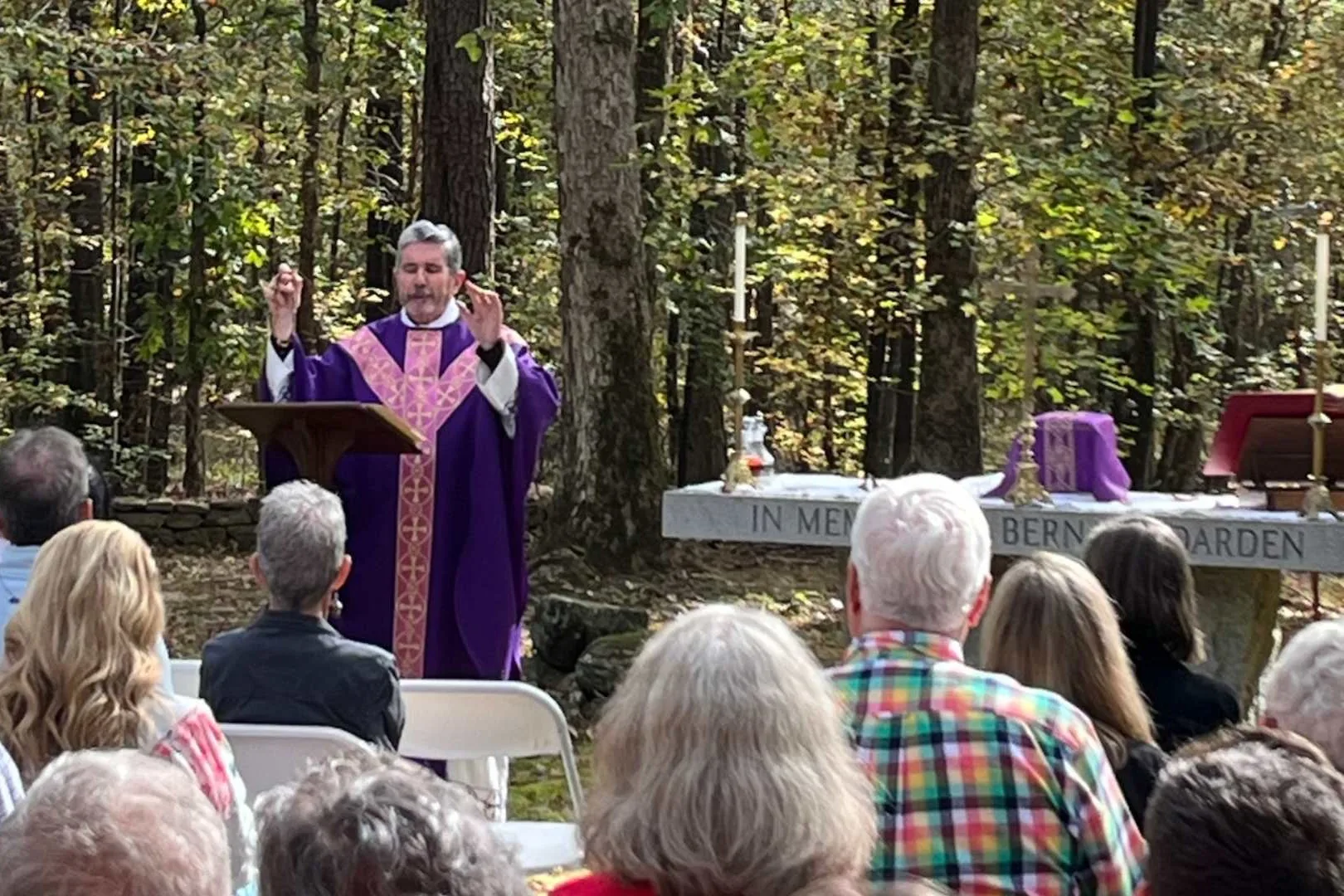
Located outside Crawfordville, Georgia, Heritage is a peaceful retreat destination rooted in Georgia's oldest Catholic settlement. Many grief retreats are offered as a weekday, weekend or three-day experience and often keep group size to about 25-30 retreat participants to support personal connection. The property includes approximately 200 acres of natural beauty, walking paths, historic grounds, and a chapel that has welcomed generations of visitors seeking renewal and reflection.
While Heritage should not be viewed solely as a grief retreat center, many guests experiencing loss have found comfort in its quiet atmosphere, sacred history, and unhurried pace, and often value a private room or similarly simple accommodations that allow rest and privacy.
The historic church, prayerful surroundings, and opportunities for solitude create an environment where grieving individuals can step away from daily pressures and focus on what their hearts need most.
For those seeking a more intentional experience centered on loss and healing, Heritage welcomes individuals and groups who want to explore grief in a prayerful setting. You're invited to come for a self-directed healing & grief retreat using our on-site resources for reflection, or to bring your own group and lead a retreat shaped around your community's needs. Our 200 acres of quiet grounds, chapel, and simple accommodations offer the space to grieve, pray, and find rest — whether you come alone or alongside others walking a similar path.
If you're unfamiliar with retreat experiences, learning what a retreat is and exploring different types can help you discern what kind of setting may best support your healing journey, whether you're considering local choices or out-of-state options.
Moving Forward With Hope
The journey through grief is rarely straightforward.
Some days will feel lighter than others. Questions may remain unanswered. Certain wounds may take longer to heal than expected, but this path can still lead toward true healing.
Yet Christian faith reminds us that grief and hope can exist together.
We can mourn deeply while still trusting God's promises, even as grief reshapes our lives. We can miss those we love while believing they remain held in His care.
A grief retreat is not about finding quick closure. It is about entering a sacred space where sorrow can be acknowledged, faith can be renewed, and healing can begin at its own pace, helping people move forward, find peace, and begin to reconnect with joy.
If you are seeking a peaceful place for reflection, prayer, and renewal, Heritage offers an environment where many have found the quiet they needed during difficult seasons of life. Contact Heritage to learn about retreat opportunities.
FAQs
What is a grief retreat?
A grief retreat is a dedicated time away from everyday life that provides space for reflection, healing, and processing loss. Depending on the retreat, it may include prayer, silence, nature, spiritual guidance, group discussions, or personal reflection, and some follow a structured course over a weekend or several days. Free time is often built into the schedule for rest or informal connection.
What is the difference between a grief retreat and grief counseling?
Grief counseling is one form of therapy that provides ongoing support from a trained professional. A grief retreat offers focused time for reflection, prayer, and healing in a supportive environment, often through group-based experiences rather than one-on-one care. Many people find that both approaches work well together. For some, group therapy sessions or grief support groups also create validation and help them feel less alone.
Are there Catholic grief retreats?
Yes. Catholic grief retreats often include Mass, Eucharistic Adoration, spiritual direction, prayer for deceased loved ones, and reflections rooted in Catholic teachings on death, resurrection, and eternal life.
How does nature help with grief?
Natural settings can reduce distractions and encourage reflection. Walking, quiet observation, and time outdoors often help grieving individuals process emotions in a peaceful and restorative environment.
Are grief retreats only for recent losses?
No. People attend grief retreats at many different stages of their journey. Some come weeks after a loss, while others seek a retreat years later when they feel called to revisit their grief in a supportive setting.