There is a strange contradiction at the heart of modern life.
Most people know they need more rest. They feel the effects of constant busyness, overflowing calendars, endless notifications, and the pressure to always be productive. Yet when an opportunity to slow down appears, many struggle to take it.
Even weekends often become extensions of the workweek. Sunday disappears into errands, household tasks, social obligations, and catching up on everything that didn't get done before.
For many Catholics, this creates a deeper spiritual tension. There is a sense that God calls us to something different, but it can be difficult to know what that actually looks like.
This is where the idea of Sabbath rest becomes so important.
Far from being an outdated religious practice, Sabbath rest is one of God's greatest gifts. It reminds us that our worth is not measured by our productivity and that true renewal comes from learning to regularly set aside time to worship God and rest in his presence.
What Is Sabbath Rest?
To understand what is Sabbath rest, we have to begin at the beginning.
In the Book of Genesis, God created the world in six days and rested on the seventh day; the Hebrew word shabath means to cease from work. God's rest was not the result of fatigue. Rather, it was an act of completion, delight, and blessing. Creation was God's finished work, with all his work complete, and He paused to enjoy what He had made.
This pattern became central to Israel's relationship with God. The Sabbath was not merely a day off from work. It was a sign of covenant, a reminder that God's people belonged to Him.
The Sabbath rest meaning found throughout Scripture goes beyond physical recovery. It is about trust.
By stopping work and turning one’s attention to worshiping God, God's people acknowledge that the world continues without their constant effort. They recognize that God remains in control.
`
What Does Sabbath Rest Mean for Christians?
The New Testament deepens the meaning of Sabbath rest.
For Christians, the principle of Sabbath remains profoundly important, still pointing to one full day off each week. The Church teaches that Sunday—the Lord's Day—takes the place of the Jewish Sabbath as the weekly celebration of Christ's Resurrection.
The Catechism of the Catholic Church emphasizes the importance of honoring the Lord's Day through worship, rest, family life, and spiritual renewal (CCC §§2168–2195). This sabbath day pattern also helped shape broader social rhythms, including the modern two-day weekend.
For Catholics, Sabbath rest includes:
- Participating in Mass
- Stepping back from daily work and ordinary labor for the day
- Spending time with family and loved ones
- Making space for prayer and reflection
- Engaging in activities that renew the body and soul
This understanding helps explain why Sabbath is much more than simply taking a break.
It is a way of orienting our lives toward God.
Why God Commands Rest in the Ten Commandments
At first glance, it may seem unusual that one of God's commandments centers on rest.
Yet throughout Scripture, God repeatedly calls His people to stop striving and remember who they are.
God knows something we often forget: human beings are not machines.
Without rhythms of rest and worship, we become physically exhausted, emotionally depleted, and spiritually disconnected. We begin to believe that everything depends on us.
This is why the modern culture of constant activity can be so dangerous.
Many people wear exhaustion as a badge of honor. Yet the constant pressure to stay busy often leaves little room for prayer, relationships, or reflection. If you've ever struggled with the temptation of equating worth with productivity, Heritage's article on being busy explores this challenge in greater depth.
Sabbath rest invites us to remember that our identity comes from being children of God, not from what we accomplish.
What Is the Sabbath Rest in Hebrews 4?
One of the most important biblical passages about Sabbath rest appears in Hebrews chapter 4.
The author speaks of a deeper rest that God offers His people. While the Old Testament Sabbath pointed toward this reality, Hebrews reveals its ultimate fulfillment in Christ, grounded in Christ's finished work and the salvation He gives.
The passage explains that there remains "a Sabbath rest for the people of God" and invites believers to enter that rest through faith.
This does not mean Christians stop all work forever. Rather, it points to a spiritual reality.
God desires us to live in trust rather than anxiety, finding inner rest and deep rest for our souls. He calls us to rely on His grace rather than our own efforts. Ultimately, the eternal rest of heaven is the complete fulfillment of every Sabbath promise.
Hebrews 4 reminds us that Sabbath is not merely about a schedule but also about our relationship with God.
How Is Jesus Our Sabbath Rest?
One of the most beautiful themes in Christian theology is the understanding that Jesus Himself is our Sabbath rest.
Throughout the Gospels, Christ repeatedly invites people who are weary and burdened to come to Him, and Jesus urges the weary to find rest in Him.
He does not simply teach about rest. He becomes the source of it. Jesus identifies Himself as the Lord of the Sabbath.
In Jesus, we find freedom from the endless need to prove ourselves. We discover forgiveness, mercy, and peace. Through His death and resurrection, He restores what sin has disrupted and opens the way to communion with God.
This is why authentic Sabbath rest always leads us back to Christ.
A day off can help us recover physically.
Only Christ, our Lord, reveals the true meaning of Sabbath rest and helps us rest in God under His lordship.
Why Many Catholics Struggle to Practice Sabbath Rest Today
Most Catholics agree that rest matters.
The challenge is putting it into practice.
Modern life is designed around constant connectivity. Work emails follow us home. Smartphones ensure that we are always reachable. Even leisure activities often leave us feeling distracted rather than restored.
Many people also carry a subtle guilt when they are not being productive, and people who work hard without regular Sabbath rhythms often become vulnerable to burnout and resentment.
The result is a Sunday that settles for external rest rather than the deeper renewal God intends.
Mass may occupy an hour, but the remainder of the day quickly fills with errands, chores, shopping, and preparation for the week ahead.
Without realizing it, many people lose the opportunity to experience the deeper renewal God intends. Without rhythms of rest, we become physically exhausted, emotionally depleted, and spiritually disconnected, with our energy drained as well.
This struggle is closely connected to what Heritage explores in its article on being in a hurry. Constant rushing affects more than our schedules—it affects our spiritual lives.
Keeping the Sabbath in a Busy World
The good news is that keeping the Sabbath does not require perfection.
It begins with intentional choices.
Planning ahead during the week can make sabbath time more restorative.
Every Catholic's circumstances are different, but a meaningful Sabbath often includes:
- Prioritizing Mass
- Turning off work notifications
- Limiting unnecessary errands
- Spending time outdoors
- Sharing meals with family or friends
- Reading Scripture
- Praying quietly
- Making room for physical rest
- Creating moments of gratitude
The goal is not to create a list of rigid rules.
Instead, Sabbath invites us to ask a simple question: What helps me intentionally set aside this day as a course of sabbath rest, encounter God, and receive His gifts with gratitude?
When viewed this way, Sabbath becomes less about restriction and more about restoration.
Why a Retreat Can Feel Like an Extended Sabbath
For many people, even the best intentions for Sunday rest are difficult to maintain.
Responsibilities remain. The demands of daily life continue. Interruptions are inevitable.
This is one reason retreats have played such an important role throughout Christian history.
A retreat creates an environment where Sabbath principles can be experienced more fully. Instead of trying to fit worship, silence, prayer, and reflection into a few hours, these practices become the focus of several days.
In many ways, a retreat becomes a place of deep rest, an extended Sabbath.
The pace slows. Distractions fade. Time is reclaimed.
Rather than constantly reacting to the needs of the moment, participants can listen more attentively to God and to their own hearts, often hearing his voice more clearly for a more faithful walk with Christ.
Finding Rest in Sacred Space
The setting of a retreat matters.
Sacred spaces help us step out of ordinary routines and become more attentive to God's presence.
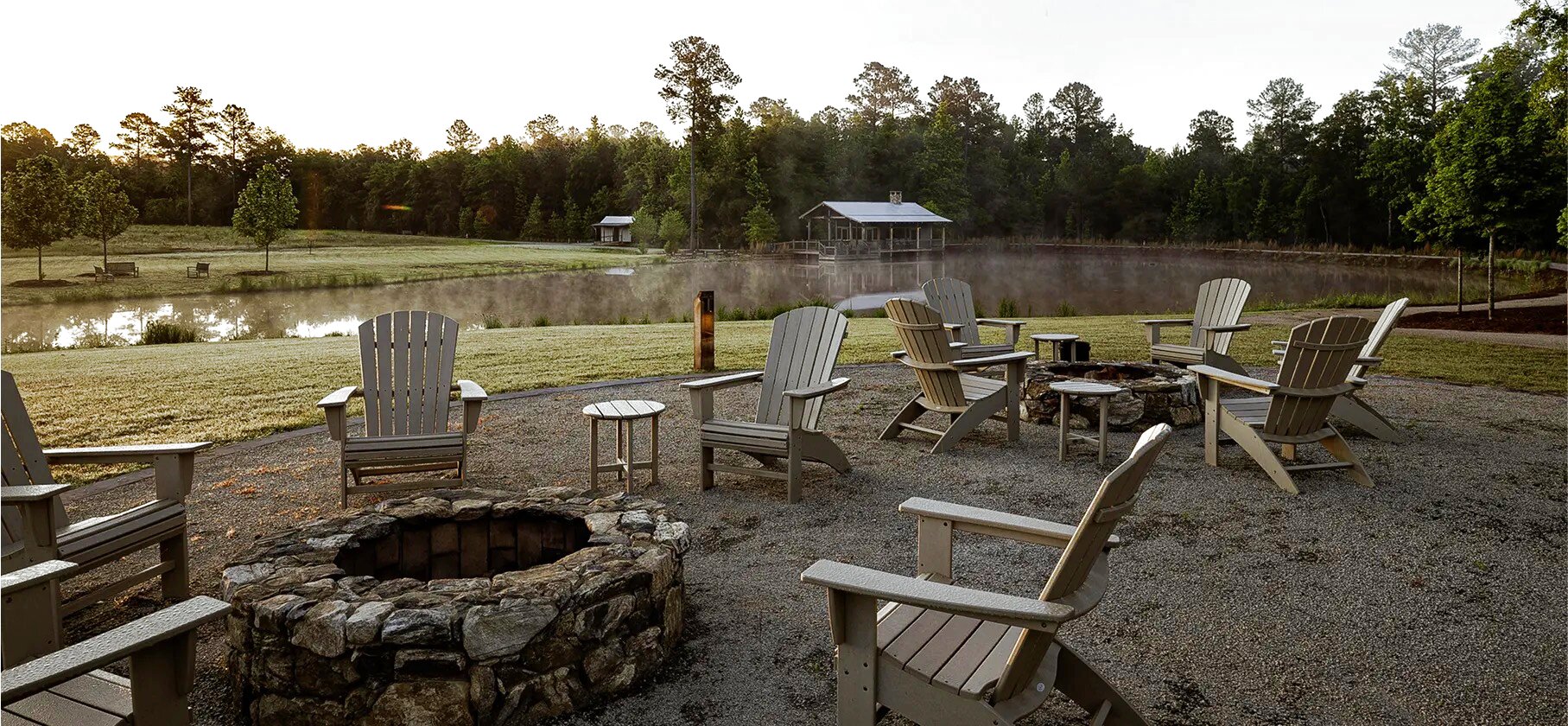
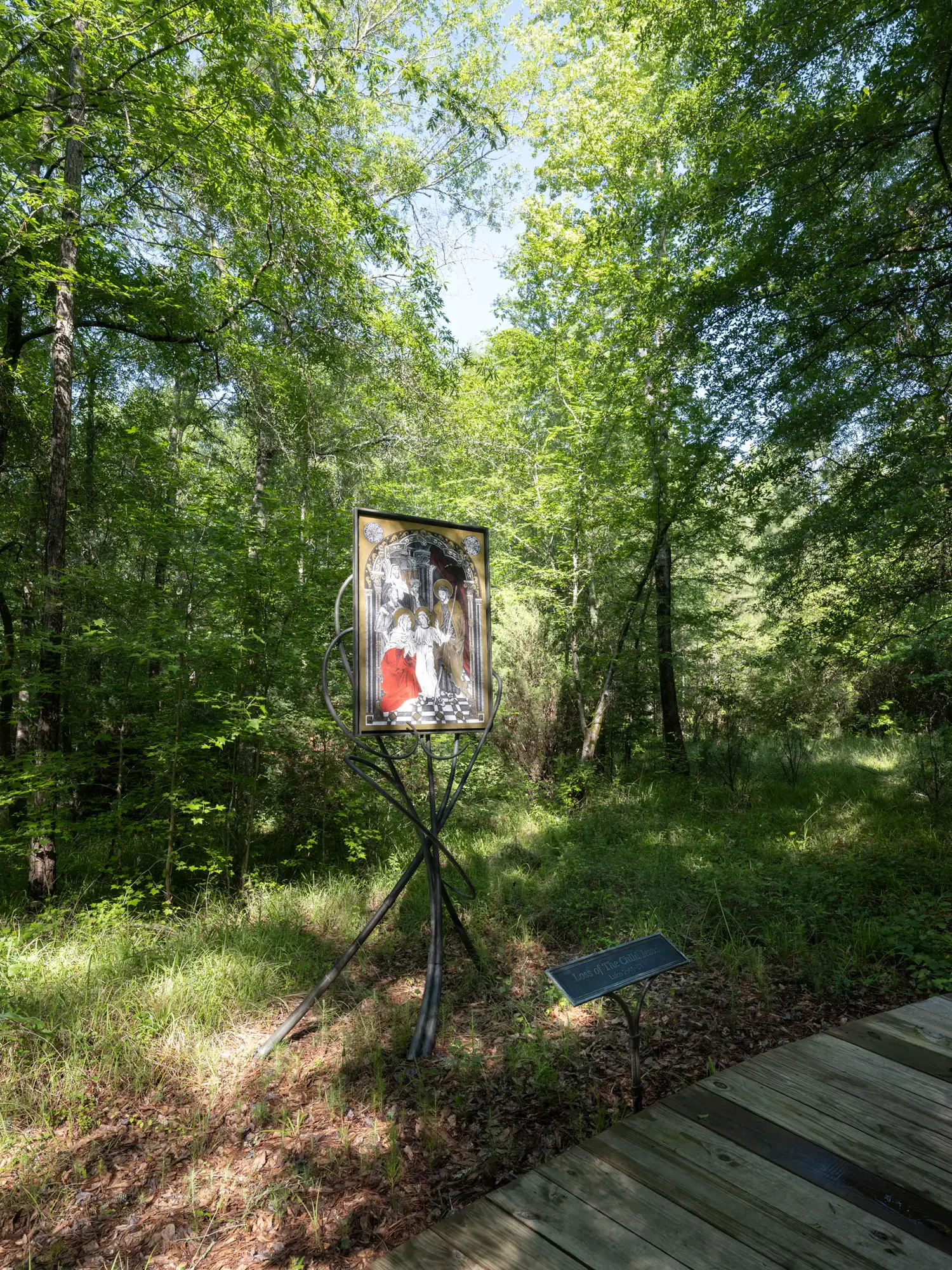
Located outside Crawfordville, Georgia, Heritage offers a peaceful environment rooted in Georgia's oldest Catholic settlement. The property includes approximately 200 acres of natural beauty, walking paths, historic grounds, and places designed for reflection and prayer, helping visitors see creation in a new light.
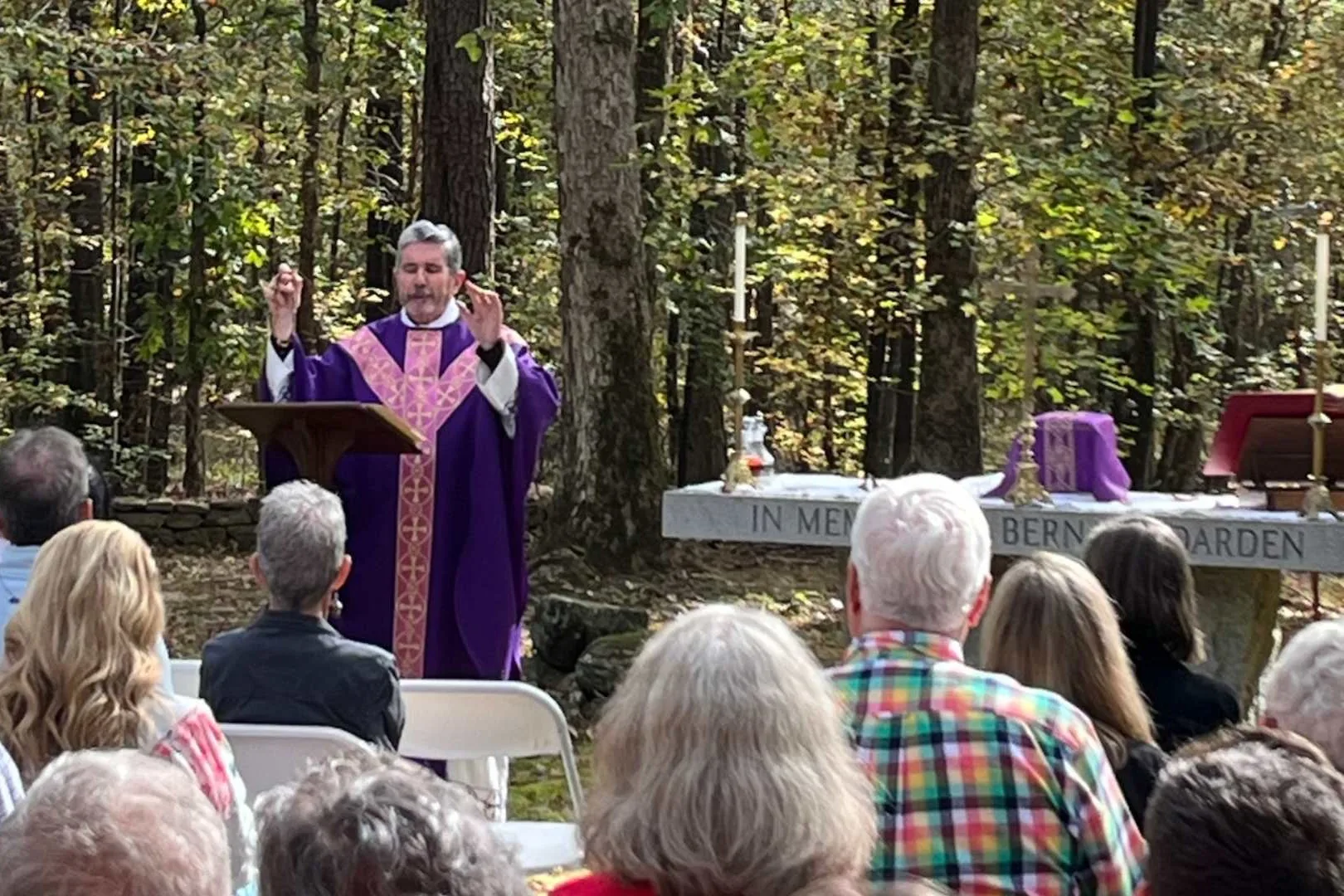
Visitors can spend time exploring the historic Church of the Purification, walking through quiet outdoor spaces, or simply sitting in silence away from the pressures of daily life.
For those seeking renewal, these surroundings create an opportunity to reconnect with the rhythms of prayer, worship, and rest that Sabbath was always intended to cultivate, opening space for great blessings of renewal and giving God glory.
Is a Retreat Right for You?
Not everyone needs a retreat at the same time.
However, it may be worth considering if:
- You feel spiritually exhausted
- Sunday rarely feels restful
- Prayer has become difficult or rushed
- You struggle to disconnect from vocational work or your normal work demands
- You sense God inviting you to slow down and imagine what one full day of true rest could change
- You desire greater clarity and peace
Retreats are not an escape from life, but a way to re-enter the earthbound demands of life with perspective.
For many Catholics, stepping away for a few days becomes the catalyst for establishing healthier rhythms long after the retreat ends.
If you're exploring the different types of spiritual retreats available, it can be helpful to discern which format best fits your current season of life.
And if you're considering organizing time away for yourself or a group, Heritage's guide on how to plan a retreat offers practical guidance for getting started.
Entering God's Rest
The invitation to Sabbath rest is ultimately an invitation into relationship.
God calls us to stop not because He needs our attention, but because we need His presence.
It is not a restriction.
It is an invitation to receive the peace of a gift God gave for our good.
For those seeking a place to step away from the noise and rediscover that peace, Heritage offers a setting where worship, silence, reflection, and renewal can unfold at a slower pace while caring for both body and souls. Sometimes the most faithful response to God's call is simply to stop—and enter His rest.
Frequently Asked Questions About Sabbath Rest
What does Sabbath rest mean for Christians?
For Christians, Sabbath rest is more than taking a break from work. In the Bible, it is a spiritual practice of worship, trust, renewal, and ceasing from ordinary work. Rooted in God's rest after creation, when God looked on what He had made with delight, and fulfilled in Jesus Christ, Sabbath rest helps believers reconnect with God, strengthen relationships, and remember that their worth is not based on productivity.
How do Catholics observe the Sabbath?
Catholics observe the Sabbath through the Lord's Day, Sunday, which celebrates Christ's Resurrection. This includes attending Mass, refraining from unnecessary work, spending time with family and loved ones, praying, and participating in activities that promote physical, emotional, and spiritual renewal.
What is the Sabbath rest in Hebrews 4?
Hebrews 4 describes a deeper spiritual rest that God offers His people. While the Old Testament Sabbath pointed toward this promise, Christians believe it is ultimately fulfilled in Christ. The passage encourages believers to place their trust in God and look forward to the eternal rest found in communion with Him.
How is Jesus our Sabbath rest?
Jesus is our Sabbath rest because He provides the peace, reconciliation, and spiritual renewal that every Sabbath points toward. Through His life, death, and resurrection, Christ invites those who are weary to find rest in His love and grace rather than relying solely on their own efforts.
Why is keeping the Sabbath important?
Keeping the Sabbath helps create healthy rhythms of worship, rest, and reflection. It allows believers to step away from constant activity, focus on their relationship with God, and renew their minds and bodies. Regular Sabbath practices can also reduce stress and create space for deeper spiritual growth.
How do you practice Sabbath rest in modern life?
Practicing Sabbath rest today may include attending Mass, disconnecting from work emails, limiting unnecessary errands, spending time in prayer, enjoying nature, sharing meals with family, or setting aside time for quiet reflection. The goal is to intentionally create space to rest in God and receive His gifts with gratitude.
Can a retreat help me experience Sabbath rest?
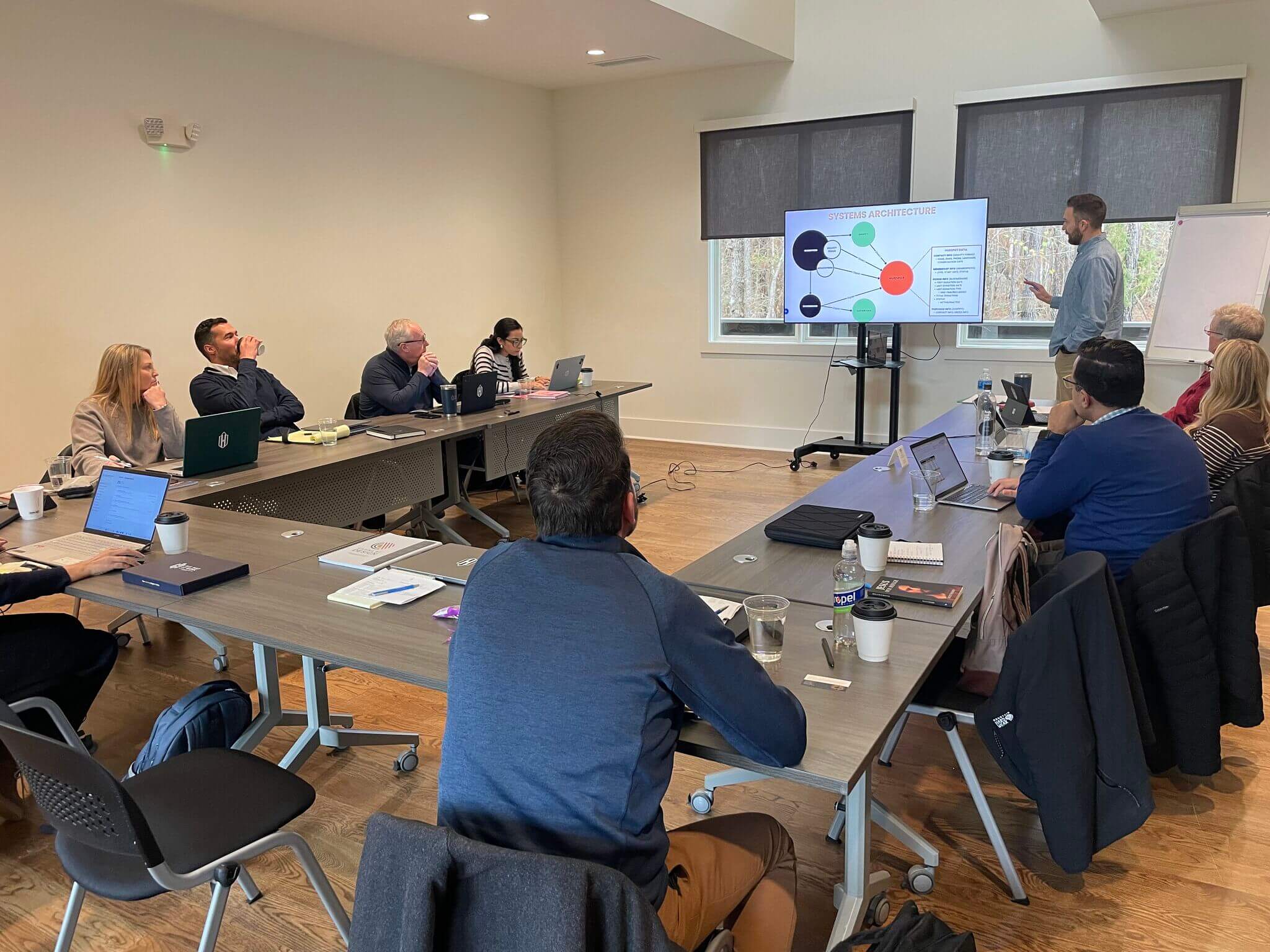
Yes. A retreat can provide an extended opportunity to experience the principles of Sabbath rest without the usual distractions of daily life. Time away allows for deeper prayer, reflection, worship, and renewal, helping many people reconnect with God and establish healthier rhythms of rest when they return home.
What are the benefits of spiritual retreats in Georgia?
Many people seek spiritual retreats in Georgia because they offer peaceful natural settings, opportunities for prayer and reflection, and space to step away from the demands of everyday life. If you'd like to explore related topics further, see our other articles and retreat resources. Retreat centers like Heritage provide an environment where visitors can slow down, renew their faith, and experience the restorative gift of Sabbath rest.