Burnout often impacts both your professional and personal life, making it harder to manage responsibilities, maintain relationships, and enjoy activities that once felt meaningful. Over time, ongoing stress can contribute to mental fatigue, chronic fatigue, and reduced cognitive function, making it increasingly difficult to cope with the demands of everyday life.
What starts as simple fatigue can become mental fog, emotional exhaustion, and a growing sense of disconnection from work, relationships, and personal goals. Many people reach a point where staying busy no longer feels productive. Instead, it feels draining.
When that happens, a few days off may not be enough. Meaningful recovery often requires intentional time away from daily pressures. A burnout retreat can provide the space needed to rest, reflect, and regain clarity.
Why Burnout Is So Difficult to Overcome
Burnout affects more than your energy levels. It can influence how you think, feel, work, and relate to others.
People experiencing burnout often report:
- Constant fatigue
- Difficulty concentrating
- Increased irritability
- Feeling emotionally drained
- Loss of motivation
- A sense of being overwhelmed by everyday responsibilities
Chronic stress can also contribute to sleep disruption, headaches, digestive concerns, and other physical symptoms that affect overall well-being.
One reason burnout recovery can be difficult is that many people attempt to heal while remaining immersed in the same environment that contributed to the problem. They continue checking emails, managing obligations, and responding to demands without creating meaningful space for restoration.
A retreat offers something different. It creates distance from daily pressures and allows the mind and body to recover in a more intentional way.
Can a Retreat Help With Burnout?
For many people, the answer is yes.
A retreat provides an opportunity to step outside normal routines and focus on rest, reflection, and renewal. Rather than moving from one responsibility to another, participants are encouraged to slow down and pay attention to what they need physically, emotionally, and spiritually.
A quality burnout recovery retreat provides more than temporary relief. It creates the foundation for long-term healing by helping participants develop healthier routines, improve stress relief management, and reconnect with their overall well-being.
A structured burnout recovery program can provide a supportive framework for healing while helping participants combat burnout in sustainable ways. Many people begin a meaningful recovery journey by stepping away from daily pressures and focusing on long-term well-being rather than short-term relief.
Many people leave a retreat with:
- Greater mental clarity
- Improved focus
- Reduced stress
- Renewed perspective
- Better awareness of healthy boundaries
- A stronger sense of purpose
Many modern retreats use a holistic approach that combines rest, reflection, movement, and intentional self care. These experiences often provide practical tools that participants can continue using long after the retreat ends.
What Makes a Retreat Different From a Vacation?
Vacations can be enjoyable, but they are not always restorative.
Travel logistics, packed itineraries, and constant stimulation can sometimes leave people feeling exhausted when they return home. A retreat serves a different purpose.
Retreats are intentionally designed to support reflection, renewal, and rest. Rather than focusing on productivity or entertainment, they create space to slow down and reconnect with what matters most.
Many people discover that stepping away from daily responsibilities provides a level of perspective that is difficult to achieve while remaining immersed in everyday routines.
Before deciding whether this type of experience is right for you, it can be helpful to learn more about burnout retreats and why dedicated time away can support personal well-being.
The Connection Between Rest and Mental Clarity
Modern life keeps our minds constantly engaged.
Notifications, meetings, social media, news updates, and endless to-do lists leave little room for true mental rest. Even during downtime, many people continue thinking about future responsibilities and unresolved stress. Chronic stress can place the nervous system in a constant state of alertness, increasing stress levels and disrupting healthy sleep patterns. Over time, this can affect concentration, emotional well-being, and overall health.
Practices such as mindfulness, quiet reflection, and time in nature have also been linked to improved focus, emotional regulation, and reduced stress.
This is one reason many retreat centers are located away from urban distractions.
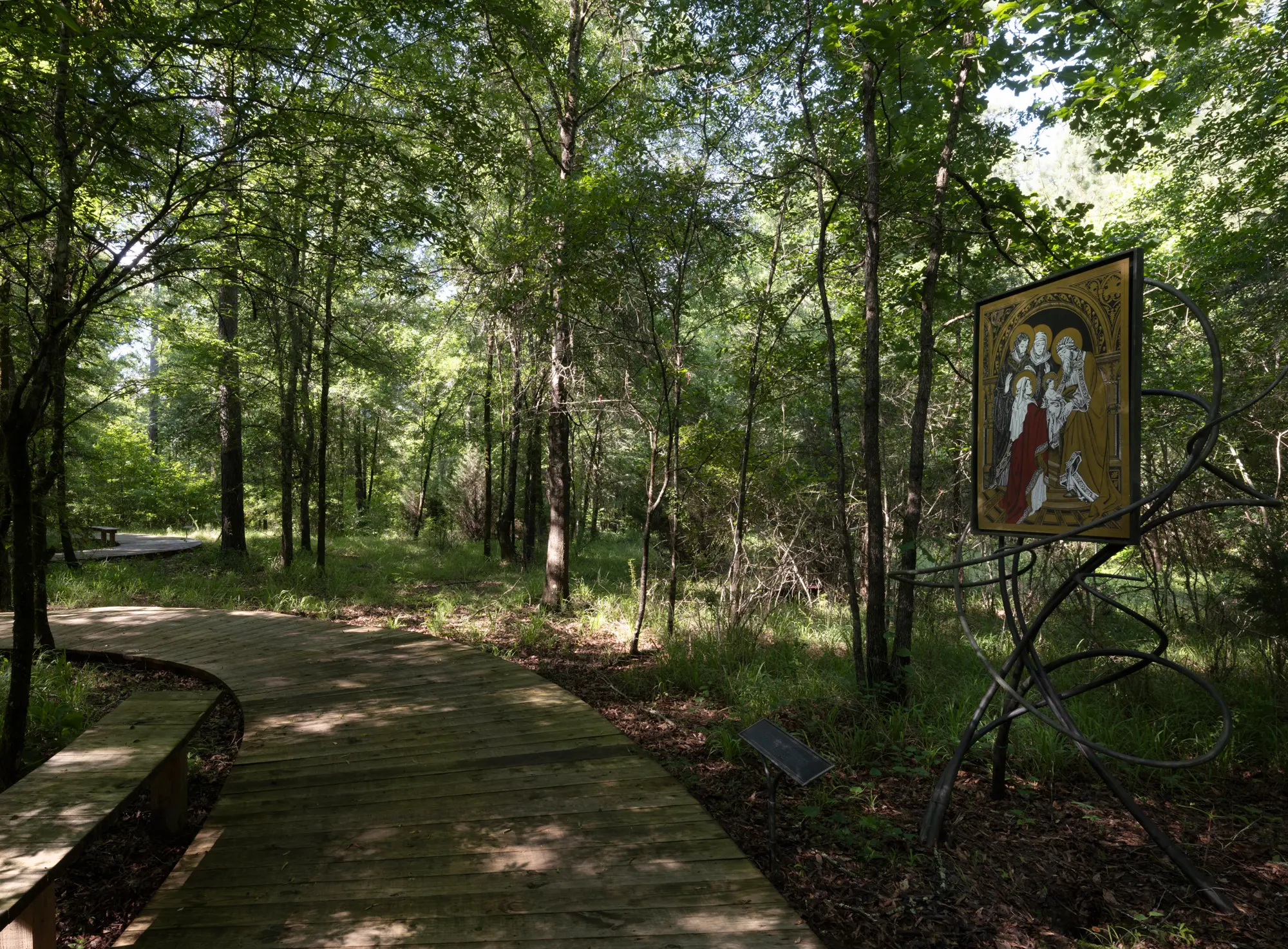
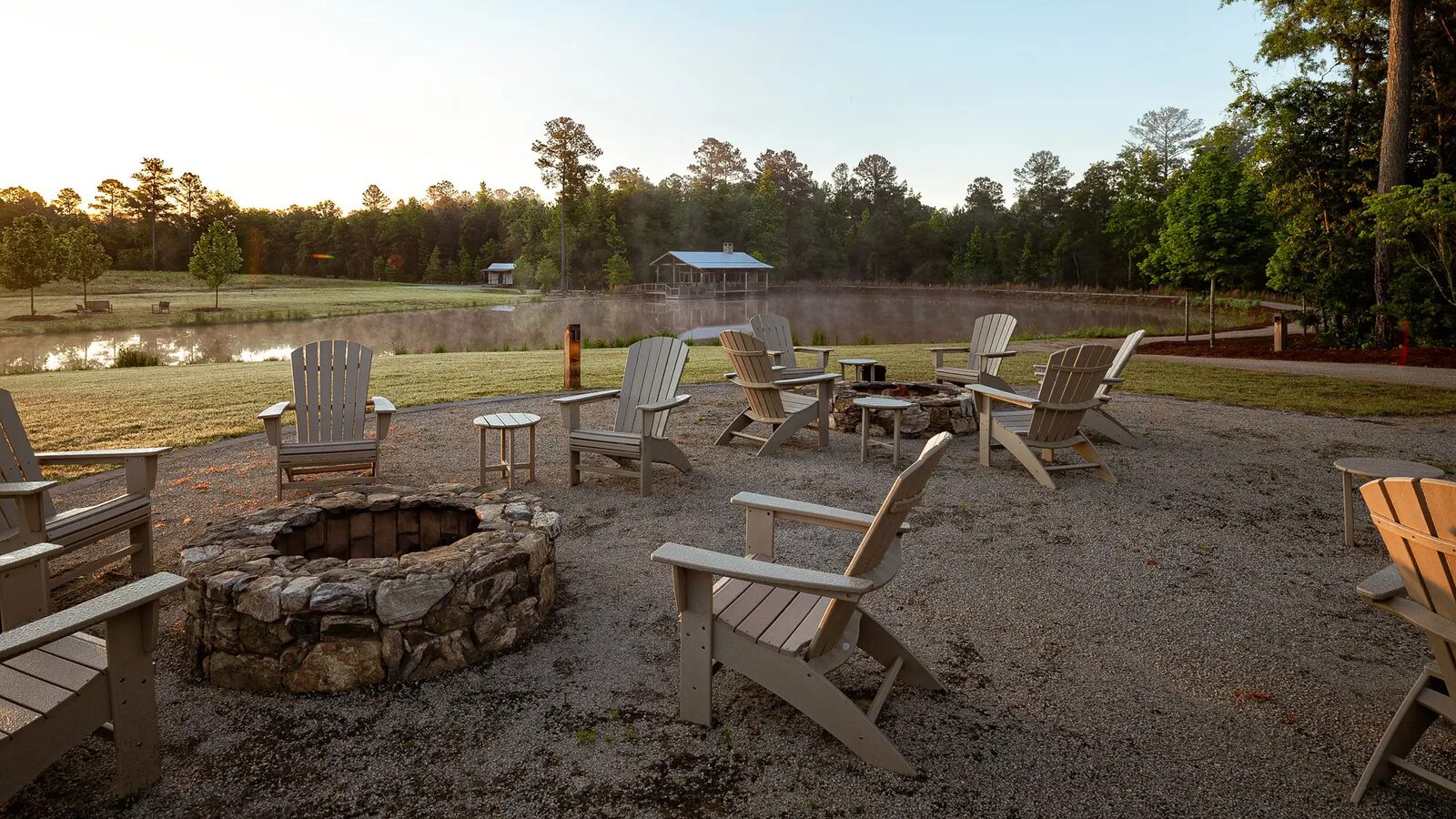
At Heritage, guests can experience more than 200 acres of peaceful rural surroundings, including walking trails, gardens, and quiet outdoor spaces that encourage reflection and renewal. As a peaceful retreat destination rooted in historic Christian heritage, Heritage welcomes individuals seeking clarity, rest, and meaningful connection.
What Happens at a Burnout Retreat?
Many people assume a retreat follows a rigid schedule packed with activities. In reality, the experience is often much simpler.
Most burnout retreats prioritize spaciousness, quiet, and intentional rest. Participants are encouraged to engage in practices that support personal renewal rather than productivity. Depending on the retreat, participants may receive expert guidance, or engage in restorative practices that encourage relaxation and renewal. Some recovery retreats may also incorporate mindfulness exercises or as part of a balanced wellness experience.
Common retreat experiences include:
- Walking in nature
- Journaling
- Reading
- Prayer or meditation
- Personal reflection
- Quiet conversation
- Time away from technology
- Periods of silence
The focus is not on accomplishing more. It is on creating room to recover.
At Heritage, guests can explore historic grounds, spend time in prayer gardens, walk scenic trails, or simply enjoy moments of quiet. The property's unique combination of natural beauty and history creates an environment that supports both reflection and restoration.
Is a Silent Retreat Good for Burnout?
For many people, silence becomes one of the most powerful aspects of the healing process.
Modern life rarely provides extended periods free from conversations, notifications, and constant information. While silence may feel unfamiliar at first, it often creates the conditions needed for deeper restoration.
Many people who attend a silent retreat experience:
- Improved concentration
- Reduced mental clutter
- Greater self-awareness
- Better emotional processing
- A stronger sense of peace
Silence allows thoughts and emotions to surface without distraction. It gives the mind an opportunity to settle after prolonged periods of stimulation and stress.
For individuals experiencing burnout recovery, Heritage's silent retreat provides a unique opportunity to disconnect from distractions and reconnect with what matters most.
The Christian Understanding of Rest
Burnout is often discussed as a productivity issue, but many people eventually discover that it also raises deeper questions about meaning, priorities, and purpose.
The Christian tradition offers a perspective on rest that remains relevant today. Rather than treating rest as something that must be earned, it views rest as an essential part of a healthy life.
The concept of Sabbath reminds us that human beings are not designed for constant work and striving. Rest creates space for gratitude, reflection, and renewed perspective.
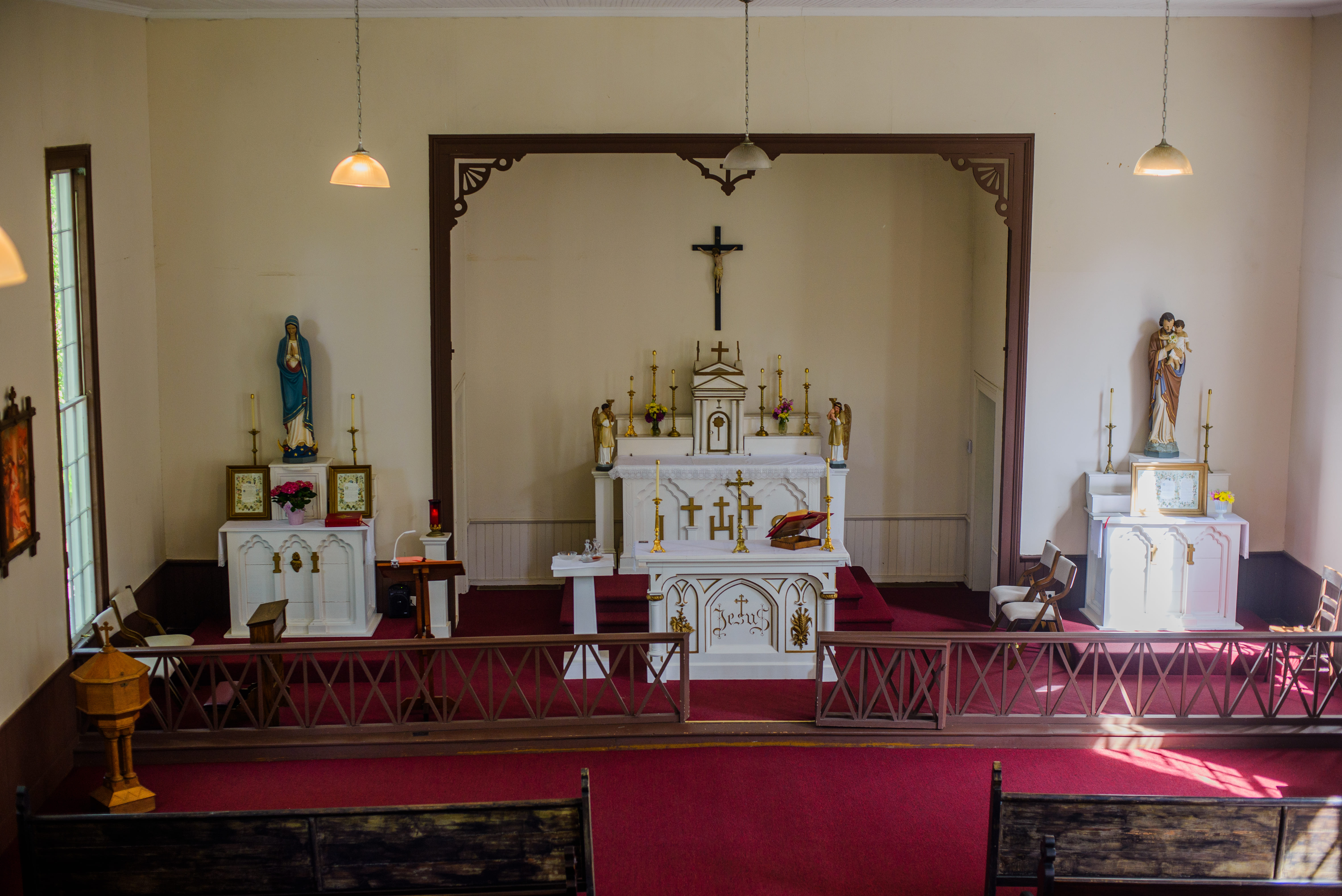
At Heritage, the historic church, prayer gardens, and preserved grounds provide opportunities for thoughtful reflection while remaining welcoming to people from many backgrounds.
Planning Time Away for Renewal
Making time for recovery often requires the same intentional planning we give to work obligations and commitments. Rest is not a luxury. It is an investment in long-term well-being.
A thoughtful retreat experience allows you to step away from daily pressures while creating space to evaluate the routines and responsibilities affecting your personal life.
If you're considering taking time away, this guide on how to plan a retreat offers practical ideas for creating a meaningful experience that supports genuine renewal.
Why Stepping Away Supports Long-Term Recovery
Burnout rarely develops overnight, and meaningful recovery usually takes more than a long weekend. When stress becomes chronic, the mind and body can adapt to operating in a constant state of pressure. Over time, this can affect concentration, emotional resilience, decision-making, and overall well-being.
Creating intentional distance from daily responsibilities allows the nervous system to slow down and shift out of a constant cycle of demands and distractions. This change in environment is one reason many people find retreat experiences so valuable. Without the usual pressures of work, household responsibilities, and digital interruptions, it becomes easier to recognize patterns that may be contributing to ongoing stress.
Many participants discover that recovery is not only about getting more rest. It is also about developing greater awareness of how they spend their time, where their energy goes, and what changes may help restore balance in everyday life. Through quiet reflection, time in nature, and intentional pauses throughout the day, people often gain insights that are difficult to access during busy routines.
These moments of clarity can become an important part of the recovery journey, helping individuals return home with a renewed perspective and practical tools for managing future stress more effectively.
Find Space for Renewal at Heritage
If you're feeling mentally exhausted, emotionally drained, or overwhelmed by the pace of daily life, Heritage offers a peaceful setting where restoration can begin.
Explore Heritage's spiritual retreats in Georgia, learn more about what a retreat is and how intentional time away can support greater clarity and balance. When you're ready, contact Heritage to learn more about upcoming retreat opportunities and begin planning your journey toward renewal.
Frequently Asked Questions
Can a Retreat Help With Burnout?
Yes. A retreat can help reduce stress, improve mental clarity, and create space for reflection and recovery. Many people find that stepping away from daily demands provides the perspective needed to address burnout more effectively.
What Is the Best Way to Recover From Burnout?
Burnout recovery typically involves rest, healthy boundaries, reduced stress, and intentional reflection. A burnout retreat can provide a supportive environment for beginning that process.
What Do You Do at a Burnout Retreat?
Activities often include quiet reflection, nature walks, journaling, prayer or meditation, reading, mindfulness practices, and personal renewal. Some programs may also include nutritional guidance or other restorative experiences. The focus is on restoration rather than productivity.
Is a Silent Retreat Good for Burnout?
Yes. Many people find that silence helps reduce mental clutter, improve focus, support emotional balance, and encourage healing. It creates space for deeper reflection and recovery. Learn more about the silent retreat at Heritage
How Long Does It Take to Recover From Burnout?
Recovery varies depending on the individual and the severity of burnout. Some people experience improvement after a few days, while others may need a longer period of recovery. A retreat can be a valuable first step toward lasting change.