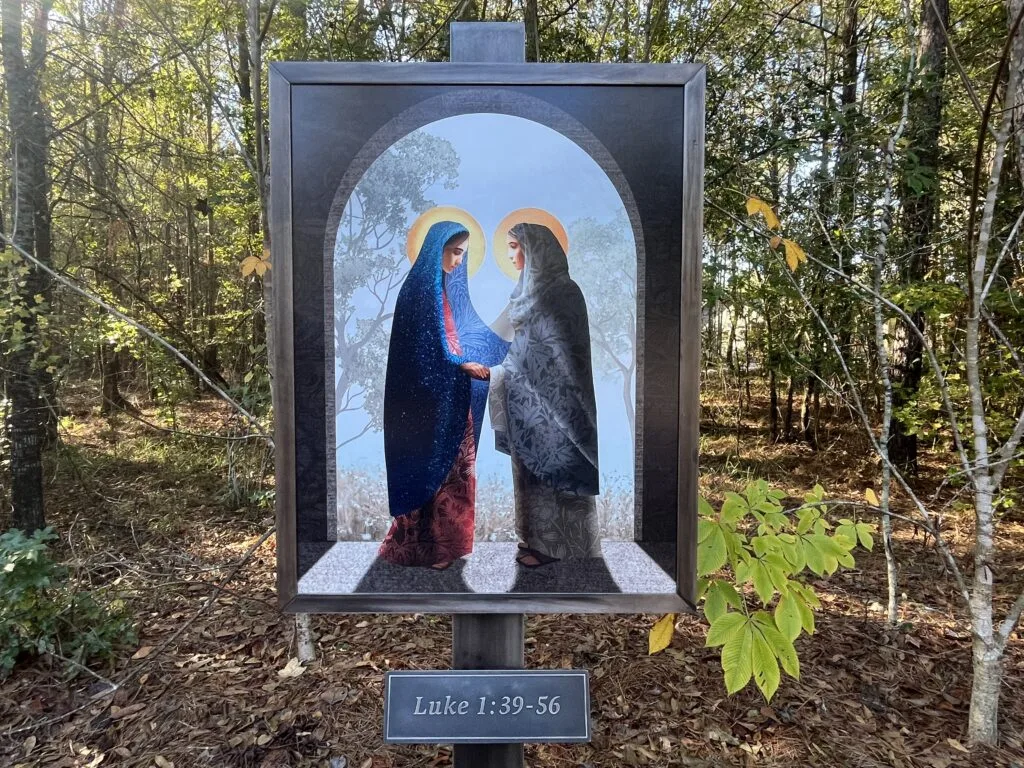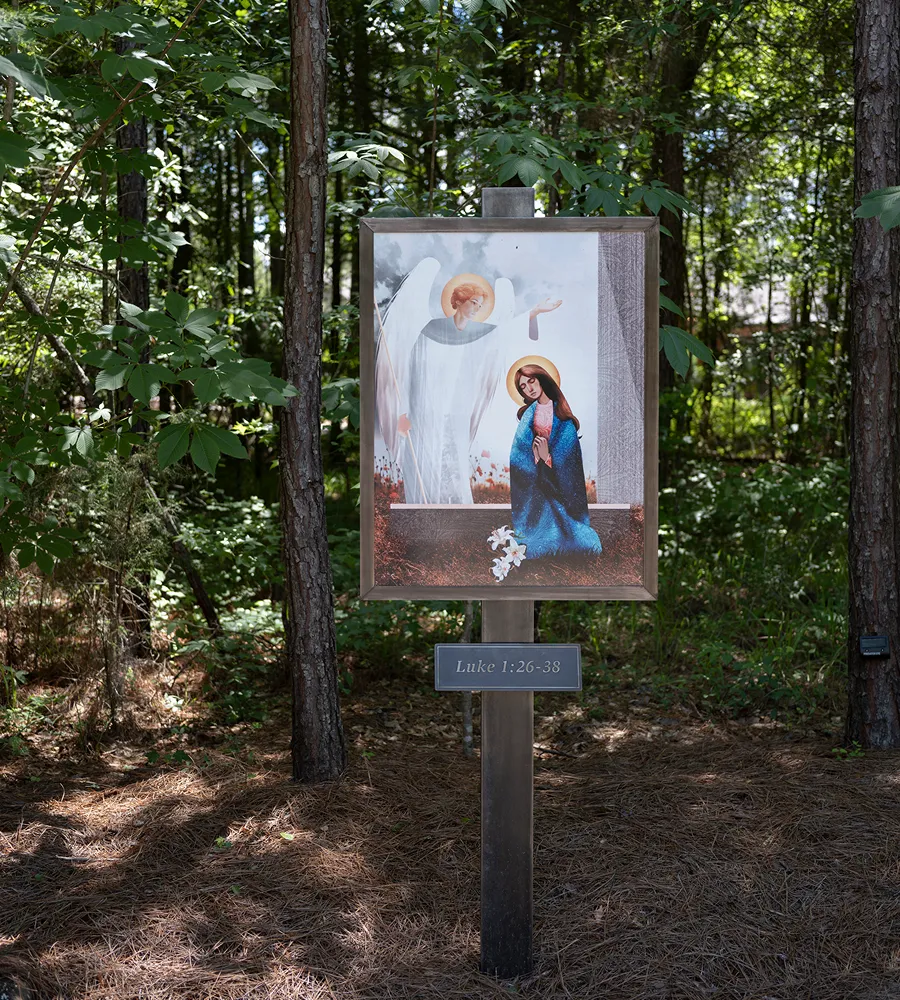
The Holy Spirit is at work in the life of every Christian, helping us grow in faith, make wise choices, and live more fully in relationship with God. Among the ways the Holy Spirit strengthens us are the seven gifts described in Isaiah 11: wisdom, understanding, counsel, fortitude, knowledge, piety, and fear of the Lord.
These gifts of the Holy Spirit are not special talents reserved for a few people. In Catholic teaching, they are graces given by the Holy Spirit to help the faithful respond to God's guidance and grow in holiness.
Understanding these gifts can make them easier to recognize in everyday life. They can shape how we pray, make decisions, respond to difficulties, and relate to God and others. For a broader look at creating space for faith in everyday life, a thoughtful guide to faith and reflection offers a natural place to begin.
What Are the 7 Spiritual Gifts of the Holy Spirit?
The seven gifts of the Holy Spirit come from Isaiah 11:2–3, where the prophet describes the Spirit resting upon the promised Messiah.
The Catholic tradition identifies them as:
- Wisdom
- Understanding
- Counsel
- Fortitude
- Knowledge
- Piety
- Fear of the Lord
The 7 gifts of the Holy Spirit are closely connected. Together, they help a person become more receptive to the movement of the Holy Spirit and more capable of living according to God's will.
The Catechism of the Catholic Church describes these gifts as permanent dispositions that make man docile in following the promptings of the Holy Spirit (CCC 1830–1831). They perfect the virtues and help form a Christian moral life ordered to holiness and perfection.
The Gift of Wisdom
Wisdom helps us see life from God's perspective.
It is more than having a great deal of information or being good at solving problems. The gift of wisdom helps us recognize what ultimately matters and judge earthly things in light of our relationship with God, not just by success here but by the deeper goal of heaven and eternal life.
For example, someone facing a difficult career decision may have many practical considerations to weigh. Wisdom helps that person look beyond immediate success or comfort and ask what choice is most consistent with a life directed toward God.
Wisdom can also change how we experience ordinary moments. It helps us recognize goodness, beauty, and purpose, and sustains hope in God's promises, rather than measuring everything by achievement or convenience.
The Gift of Understanding
Understanding helps us grasp the meaning of the truths of faith.
This does not mean that every mystery becomes completely explainable. Rather, the gift helps us perceive more deeply what we believe, recognize how different truths of faith fit together, and gain a clearer sense of their harmony.
A person reading Sacred Scripture, for example, may encounter a passage that initially seems difficult to understand. Through prayer and the work of the Holy Spirit, that person may gradually gain a deeper appreciation of what the passage reveals about God through divine revelation.
Understanding encourages us to move beyond simply knowing what the Church teaches toward appreciating why those truths matter.
The Gift of Counsel
Counsel helps us recognize the right course of action, particularly when a decision is difficult.
It is sometimes described as the gift that helps us discern how to respond in particular situations so we can serve God and others well. Rather than relying only on impulse, fear, or personal preference, we become more attentive to what is good and consistent with God's will.
Imagine a friend comes to you with a painful problem. There may be no simple answer. Counsel can help you listen carefully, respond with charity and kindness, and consider what will genuinely help rather than simply saying what feels easiest.
As Christians grow in discernment, the gift of counsel can become an important part of making thoughtful decisions. It can also encourage us to learn more about understanding discernment and how to recognize where God may be leading us.
The Gift of Fortitude
Fortitude gives us spiritual power to remain faithful and do what is right when hardship makes it difficult.
Following Christ does not mean that every challenge disappears. There are times when faithfulness requires patience, courage, perseverance, or the willingness to stand firm when doing so comes at a cost.
Fortitude can appear in dramatic circumstances, but it is often expressed through ordinary perseverance. It may mean continuing to care for someone through a difficult season, speaking honestly when silence would be easier, or remaining committed to prayer during a period of spiritual dryness.
The gift of fortitude reminds us that Christian courage is not simply the absence of fear. It is the strength to continue doing what is good despite fear or difficulty, helping Christians resist evil instead of giving in to fear or pressure.
The Gift of Knowledge
Knowledge helps us understand the created world in relationship to God.
This gift allows us to recognize that created things are good but are not the ultimate source of meaning or fulfillment. It can help us see both the beauty of creation and the limitations of worldly things.
Success, possessions, recognition, and comfort can all be good in their proper place. The gift of knowledge helps us avoid treating them as though they could provide what only God can provide.
It gives us a clearer perspective on how we use the things we have and where we place our trust.
The Gift of Piety
Piety helps us approach God with the love, trust, and respect of a child toward a loving Father.
This gift shapes our relationship with God and influences how we treat other people. It encourages a sincere desire to honor God and live in a way that reflects that relationship.
Piety can be expressed through prayer, worship, gratitude, acts of love toward others, and generosity in daily life. It is not simply about performing religious practices. It involves allowing our relationship with God to shape the way we live.
Prayer can take many forms. For those who find sacred imagery helpful in prayer, praying with sacred art through Visio Divina offers one way to slow down, pay attention, and reflect more deeply.
The Gift of Fear of the Lord
The fear of the Lord can sound confusing at first.
In Catholic teaching, it does not primarily mean being terrified of God. It points toward a profound reverence for God and a recognition of His greatness.
This gift can help us reject what separates us from God because we value our relationship with Him. It encourages humility and a willingness to place God above our own desires.
Fear of the Lord, then, is closely connected to wonder, reverence, and love. It helps us recognize that God is not simply one part of our lives but the source and center of them.
Growing in the Gifts of the Holy Spirit
Learning about the seven gifts is only the beginning.
The gifts become meaningful as we allow them to shape the way we live. Wisdom can influence our priorities. Counsel can shape our decisions. Fortitude can strengthen us through difficulty. Piety can deepen our relationship with God, while helping cultivate virtues that bear fruit over time, including peace as we grow in the Holy Spirit.
Growth often requires making room to listen.
For some people, that means establishing a regular prayer practice. For others, it may mean stepping away from constant activity and spending intentional time in silence. A silent retreat to grow closer to God can provide an opportunity to step away from ordinary routines and spend intentional time in quiet and prayer, helping young people as well as adults mature in faith.
Make Room for Prayer and Reflection
The gifts of the Holy Spirit remind us that spiritual growth is not simply about learning more. It is also about becoming more receptive to God.
A quiet environment can make it easier to step away from distractions and give prayer your full attention. At Heritage, the prayer gardens offer a peaceful setting for prayer, reflection, and time outdoors.
Whether you spend a few quiet minutes in prayer or set aside an entire retreat, the invitation is the same: make room to listen.
Heritage also offers spiritual retreats for those seeking a longer period of prayer, reflection, and renewal.
The Holy Spirit continues to work in the lives of the faithful. Through the seven gifts, we are strengthened to understand more deeply, choose wisely, persevere through difficulty, and grow in our relationship with God as Christian character is formed and the fruits of joy, gentleness, and self-control begin to appear.
Take time to ask where you may need the Spirit's wisdom, understanding, counsel, fortitude, knowledge, piety, or fear of the Lord today. Then give yourself the quiet needed to listen for His guidance and to be strengthened to serve with justice.
Frequently Asked Questions
Where Do the Gifts of the Holy Spirit Come From in the Bible?
The seven gifts are traditionally drawn from Isaiah 11:2–3, which describes the Spirit resting upon the Messiah and names the qualities associated with the gifts.
How Do You Receive the Gifts of the Holy Spirit?
In Catholic teaching, the gifts are received in Baptism, including by children, and are sealed and strengthened through Confirmation, helping Christians grow toward holiness from the beginning of life. Christians can continue growing in cooperation with these gifts through prayer and openness to God's grace.
Why Do Some Sources Say There Are Nine Gifts of the Holy Spirit?
The nine gifts generally refer to spiritual gifts, or charisms, discussed in 1 Corinthians 12. These are distinct from the seven gifts traditionally identified from Isaiah 11:2–3.
What Is the Difference Between the Gifts and Fruits of the Holy Spirit?
The seven gifts are dispositions given by the Holy Spirit that help Christians respond to His promptings. The fruits describe the effects that grow in a person who lives in cooperation with the Holy Spirit, as described in Galatians 5:22–23, including love, joy, peace, kindness, generosity, and gentleness.
What Are the Seven Gifts of the Holy Spirit?
The seven gifts are wisdom, understanding, counsel, fortitude, knowledge, piety, and fear of the Lord. Jesus possesses these gifts in their fullness and forms believers through them. They help Christians become more receptive to the Holy Spirit and grow in holiness, helping the faithful live as the Church teaches, in communion with the saints.