All Saints Day, on November 1, honors all the saints in heaven, both the famous ones and the countless holy people whose names only God knows. All Souls Day, on November 2, is when the Church prays for all the faithful departed who have died in God's friendship but are still being purified before entering heaven.
The two days sit side by side and share similar names, so it's easy to blur them together. But they ask different things of us. One is a celebration of those who have reached their goal. The other is an act of love for those still on the way, including many of our own loved ones.
This guide explains the meaning and history of each day, how Catholics observe them, why we pray for the dead, and where Halloween fits in. If you'd like to keep these days in person this year, Heritage hosts an All Souls Mass at Locust Grove Cemetery, the oldest Catholic cemetery in Georgia, along with an All Souls Weekend at Heritage.
What Is the Difference Between All Saints Day and All Souls Day?
The simplest way to understand All Saints Day and All Souls Day is to ask the meaning of each day. All Saints Day is for the saints in heaven. All Souls Day is for the souls in purgatory. The first is a day of joy and thanksgiving; the second is a day of prayer and remembrance.
Both days grow out of one belief the Catholic Church has always held: the communion of saints. The Church teaches that the faithful on earth, the souls being purified, and the saints in heaven are one family in Jesus Christ, and death doesn't break that union. On November 1, we ask the saints to pray for us. On November 2, we pray for those who have died.
There's a practical difference, too. All Saints Day is a solemnity and, in the United States, usually a holy day of obligation. All Souls Day is not a holy day of obligation.
What Is All Saints Day?
All Saints Day honors every person who has reached heaven. That includes the martyrs and canonized saints we know by name, but it also includes grandparents, neighbors, and ordinary believers who lived holy lives quietly and are known only to God. The day is a reminder that holiness isn't reserved for a few, and that every Christian is called to it.
The feast's history begins with the early Church's devotion to the martyrs. Christians in Antioch kept a feast of all martyrs on the Sunday after Pentecost, a custom Eastern churches still follow. In the West, on May 13, 609, Pope Boniface IV dedicated the Pantheon in Rome to Mary and all the martyrs. In the 700s, Pope Gregory III dedicated a chapel in St. Peter's Basilica to all the saints on November 1, and in the ninth century Pope Gregory IV extended the celebration to the whole Church.
For Catholics, All Saints Day centers on Mass. The Gospel is the Beatitudes, and the priest wears white, the color of joy and resurrection. Many families also read about a favorite saint, ask for a patron saint's intercession, or let children dress as saints, a reminder that these holy men and women were real people.
Is All Saints Day a Holy Day of Obligation?
In the United States, All Saints Day is a holy day of obligation, meaning Catholics are expected to attend Mass. The U.S. bishops' norms lift that obligation when November 1 falls on a Saturday or a Monday, though the feast is still celebrated.
In 2026, All Saints Day falls on a Sunday, so the question takes care of itself: Catholics attend Sunday Mass as usual, and that Mass celebrates All Saints. All Souls Day then falls on Monday, November 2. It's never a holy day of obligation, but it's a beautiful day to attend Mass for your loved ones who have died.
What Is All Souls Day?
The meaning of All Souls Day is rooted in mercy. On this day, the Catholic Church prays for all the faithful departed, especially those who may still be undergoing purification. It's a day to remember everyone who has died and entrust them to God's love.
The observance as we know it traces back to St. Odilo, abbot of the monastery of Cluny in France, who around 998 established a yearly commemoration of all the faithful departed on November 2, the day after All Saints. It gradually spread through the Western Church. In 1915, Pope Benedict XV allowed every priest to celebrate three Masses on All Souls Day, a sign of how much weight the Church places on praying for the dead.
All Souls Day Catholic traditions are simple and personal. Many parishes invite families to write the names of the deceased in a Book of the Dead or read them aloud at Mass. People visit cemeteries, pray at graves, and bring flowers or candles. The Church also offers a plenary indulgence, applicable only to the souls in purgatory, to those who devoutly visit a cemetery and pray for the dead from November 1 through 8, under the usual conditions of confession, Communion, and prayer for the Holy Father's intentions.
Why Do Catholics Pray for the Dead?
At the heart of All Souls Day is a belief about purgatory. The Church teaches that those who die in God's grace are assured of eternal life, but some still need to be purified of the effects of sin before entering the joy of heaven (Catechism of the Catholic Church, (1030-1031). Purgatory isn't a second chance; it's the final stage of being made ready for God.
Praying for the dead is an ancient practice. In 2 Maccabees 12:46, Judas Maccabeus makes an offering for fallen soldiers "that they might be delivered from their sin," and the early Christians prayed for their dead from the beginning. The Catechism explains that the Church commends prayer, almsgiving, and especially the Eucharist for the benefit of the departed (CCC 1032).
For grieving families, this belief carries real hope. Love doesn't end at death. Our prayers can still help those we've lost, and the separation is not the final word.
What Is the All Souls Day Prayer?
The most familiar all souls day prayer is the Eternal Rest prayer. It's often prayed at funerals, at gravesides, and throughout November.
Eternal rest grant unto them, O Lord,
and let perpetual light shine upon them.
May they rest in peace.
May their souls and the souls of all the faithful departed,
through the mercy of God, rest in peace.
Amen.
You can pray it for one person by name ("Eternal rest grant unto him" or "her") or for all the departed.
How Does Halloween Fit In?
Halloween is short for All Hallows' Eve, the evening before All Saints Day. "Hallow" is an old English word for a holy person or saint, which is why All Saints Day has also been called All Hallows' Day. Together, October 31, November 1, and November 2 form three days sometimes called Allhallowtide.
Like the eve of many great feasts, All Hallows' Eve began as a time of prayerful preparation. If you've ever wondered what a vigil is and how keeping watch the night before a feast works, this is one of the oldest examples.
Where Can You Observe All Souls Day in Georgia?
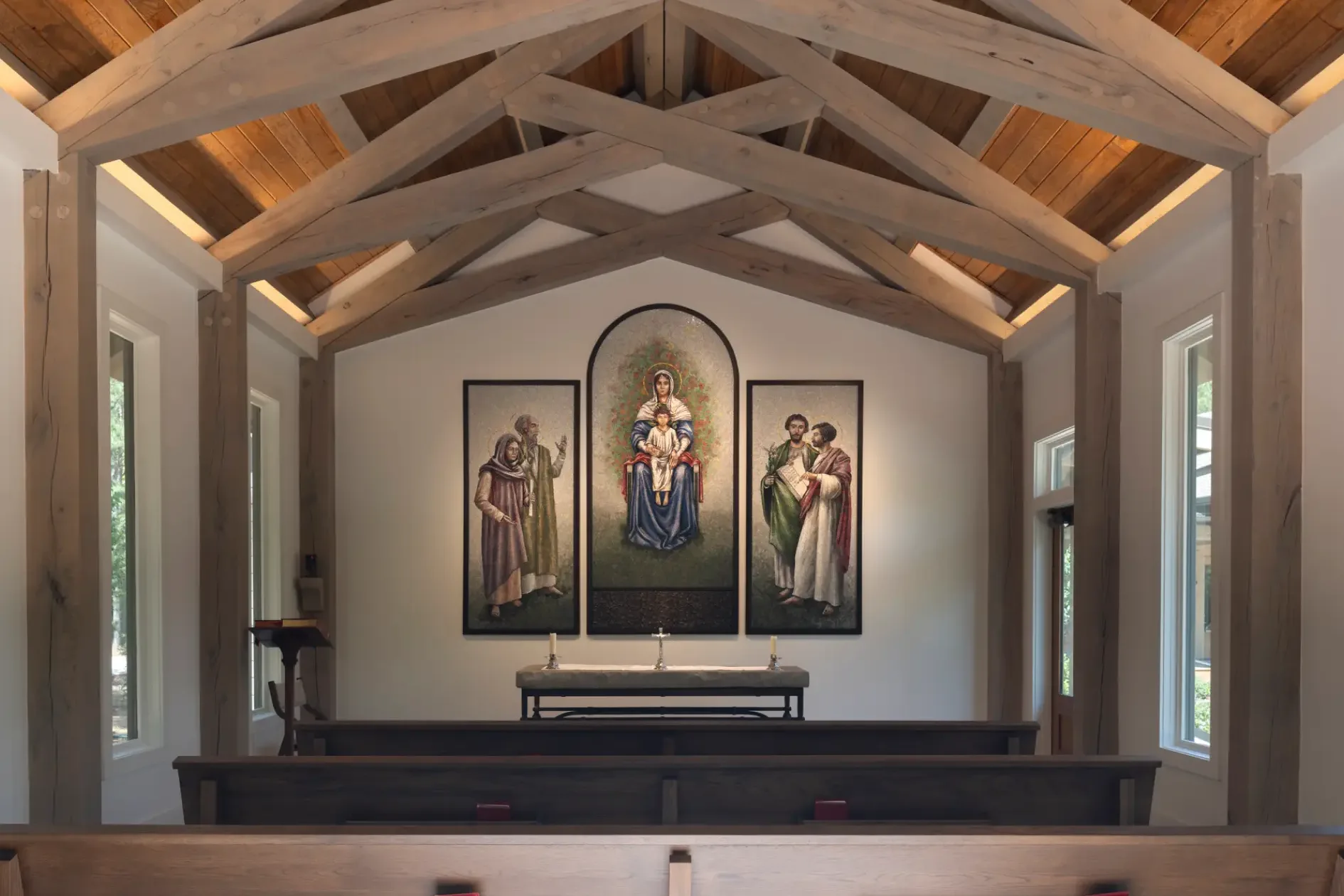
For many people, the most meaningful way to keep All Souls Day is to pray among the graves of those who came before us. Heritage sits on the land of Georgia's first Catholic settlement outside of Crawfordville, about two hours east of Atlanta. Locust Grove Cemetery, established around 1790 and listed in the National Register of Historic Places, is the resting place of many of the state's earliest Catholic families. Nearby stands the restored Church of the Purification, rebuilt in 1883 by that same first congregation.
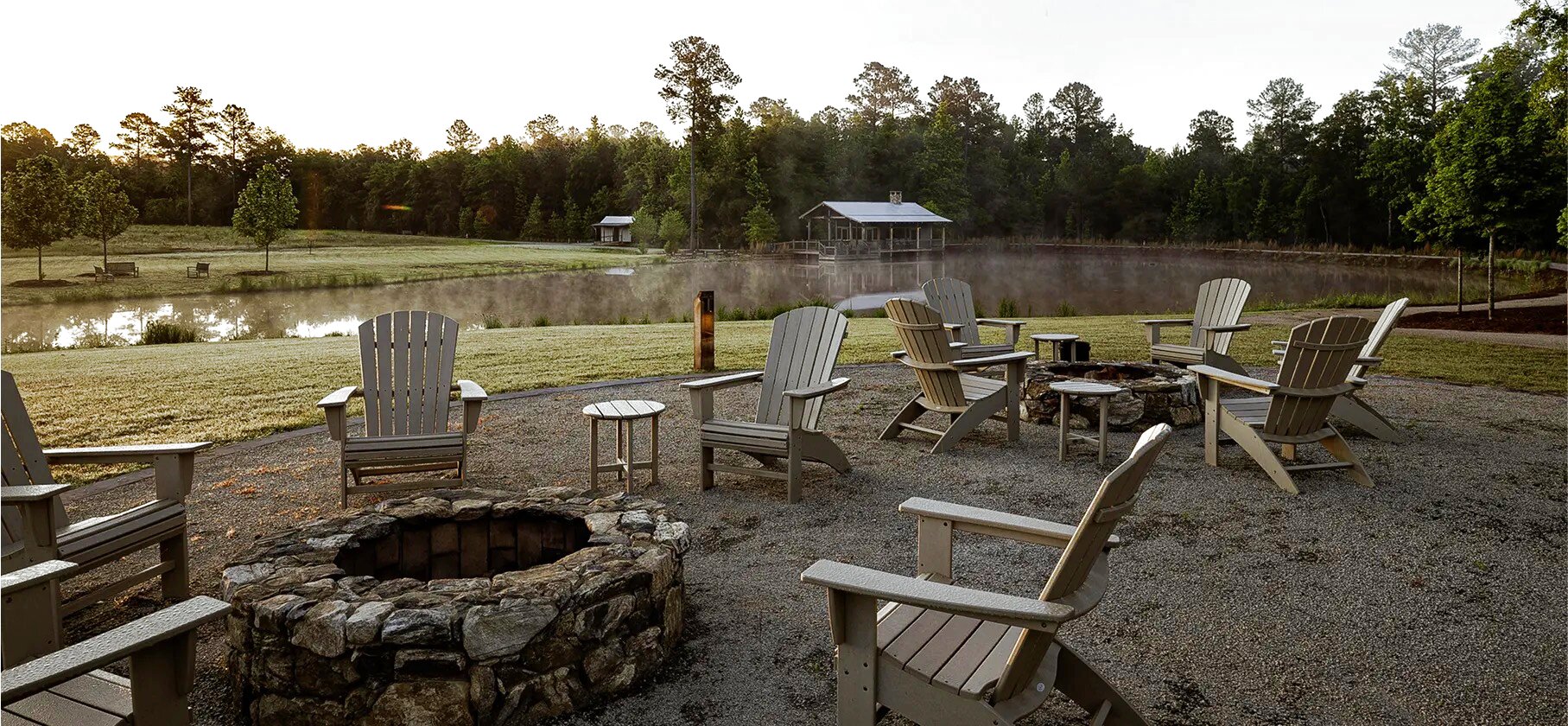
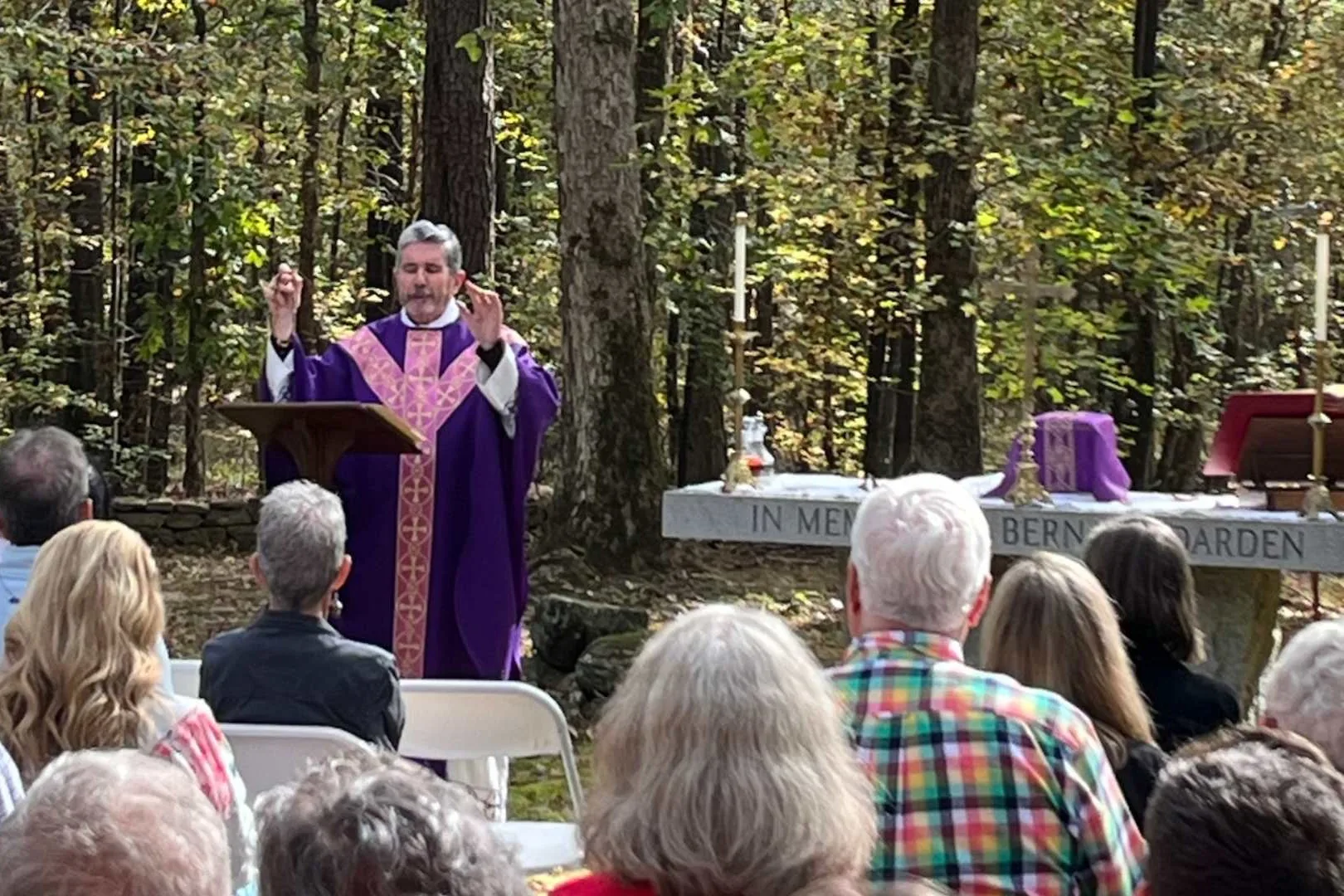
Each year, Heritage gathers at the cemetery for its annual All Souls Mass. In 2026, the Mass will be celebrated outdoors at Locust Grove Cemetery on Saturday, November 7, at 11 AM. There's no cost to attend, and afterward guests are welcome at the retreat for lunch (available for purchase) or a picnic on the grounds. For those who'd like more time, the All Souls Weekend, November 6-8, adds overnight lodging, shared meals, fellowship at the fire pits, and quiet time for reflection and prayer. All are welcome, including families and guests of all ages.
Remembering Together
All Saints Day and All Souls Day belong together. On November 1, we celebrate the saints in heaven and ask for their prayers. On November 2, we pray for the faithful departed who are still being made ready for God. Both days remind us that the Church is one family, and that love and prayer reach across death.
This November, take a moment to say the names of your loved ones and pray the Eternal Rest prayer for them. And if you'd like to pray in a place where Georgia's Catholic story began, we'd be honored to welcome you to the All Souls Mass at Locust Grove Cemetery.
Frequently Asked Questions
Is All Souls Day the Same as All Saints Day?
No. All Saints Day (November 1) honors the saints in heaven. All Souls Day (November 2) is a day of prayer for all the faithful departed who are still being purified. The two are connected by the Church's belief in the communion of saints.
Is All Saints Day Only Catholic?
No. Anglican, Lutheran, Methodist, and many other Christian traditions also keep All Saints Day on November 1. Eastern Orthodox Christians celebrate All Saints on the first Sunday after Pentecost.
Is All Saints Day the Same as All Hallows Day?
Yes. "Hallow" is an old word for saint, so All Hallows' Day is another name for All Saints Day. Halloween, or All Hallows' Eve, is the night before.
Do Catholics Still Celebrate All Souls Day?
Yes. All Souls Day remains an important part of the Catholic year. Catholics attend Mass, visit cemeteries, and pray for their loved ones and all the faithful departed throughout November.
What Happens When All Souls Day Falls on a Sunday?
When November 2 falls on a Sunday, All Souls Day is still celebrated that day and takes the place of the ordinary Sunday Mass. In 2026, it falls on a Monday.
What Liturgical Colors Are Used on All Saints and All Souls Day?
Priests wear white on All Saints Day. On All Souls Day, the Church in the United States allows violet, black, or white vestments.
{
  "@type": "FAQPage",
  "@id": "https://www.heritagega.org/blog/all-saints-day-vs-all-souls-day#faq",
  "mainEntity": [
    {
      "@type": "Question",
      "name": "Is All Souls Day the Same as All Saints Day?",
      "acceptedAnswer": { "@type": "Answer", "text": "No. All Saints Day (November 1) honors the saints in heaven. All Souls Day (November 2) is a day of prayer for all the faithful departed who are still being purified. The two are connected by the Church's belief in the communion of saints." }
    },
    {
      "@type": "Question",
      "name": "Is All Saints Day Only Catholic?",
      "acceptedAnswer": { "@type": "Answer", "text": "No. Anglican, Lutheran, Methodist, and many other Christian traditions also keep All Saints Day on November 1. Eastern Orthodox Christians celebrate All Saints on the first Sunday after Pentecost." }
    },
    {
      "@type": "Question",
      "name": "Is All Saints Day the Same as All Hallows Day?",
      "acceptedAnswer": { "@type": "Answer", "text": "Yes. \"Hallow\" is an old word for saint, so All Hallows' Day is another name for All Saints Day. Halloween, or All Hallows' Eve, is the night before." }
    },
    {
      "@type": "Question",
      "name": "Do Catholics Still Celebrate All Souls Day?",
      "acceptedAnswer": { "@type": "Answer", "text": "Yes. All Souls Day remains an important part of the Catholic year. Catholics attend Mass, visit cemeteries, and pray for their loved ones and all the faithful departed throughout November." }
    },
    {
      "@type": "Question",
      "name": "What Happens When All Souls Day Falls on a Sunday?",
      "acceptedAnswer": { "@type": "Answer", "text": "When November 2 falls on a Sunday, All Souls Day is still celebrated that day and takes the place of the ordinary Sunday Mass. In 2026, it falls on a Monday." }
    },
    {
      "@type": "Question",
      "name": "What Liturgical Colors Are Used on All Saints and All Souls Day?",
      "acceptedAnswer": { "@type": "Answer", "text": "Priests wear white on All Saints Day. On All Souls Day, the Church in the United States allows violet, black, or white vestments." }
    }
  ]
}