Tucked into the quiet countryside of Crawfordville, the Church of the Purification in Georgia stands as one of the most meaningful historic landmarks in the state. This early Roman Catholic church is more than a preserved building—it represents the beginnings of Catholicism in the region and a lasting historical connection to the people who first established a faith-based community here.
For visitors today, it’s not only a place to observe history, but a place to experience a sense of peace, purpose, and continuity.
A Historic Beginning in Rural Georgia
The story of The Church of the Purification begins in the late 1700s, when a group of French Catholics—many of them French families displaced during the French Revolution—settled in what was then a developing part of Georgia. This settlement, later called Locust Grove, became home to one of the earliest Catholic communities in the state.
These settlers, some with ties to Maryland and other early Catholic strongholds like Baltimore, formed what would become the first Catholic congregation in Georgia. Their efforts led to the establishment of the first Catholic church, a simple log church, which served as both a place of worship and gathering.
Over time, this grew into what is now recognized as the first Catholic parish in Georgia, rooted in a mission to renew faith, support one another, and build a lasting presence.
The Heart of Locust Grove and Wilkes County
Located near present-day Taliaferro County and historically connected to Wilkes County, the church became the center of life in the Locust Grove settlement. The surrounding grounds included Locust Grove Cemetery, recognized as the oldest Catholic cemetery in Georgia.
This Catholic cemetery holds the remains of generations of early settlers, marking the lives of those who helped shape the state's first Catholic congregation. . The community also established Locust Grove Academy, the first Catholic school in Georgia, where children were educated in both faith and daily life.
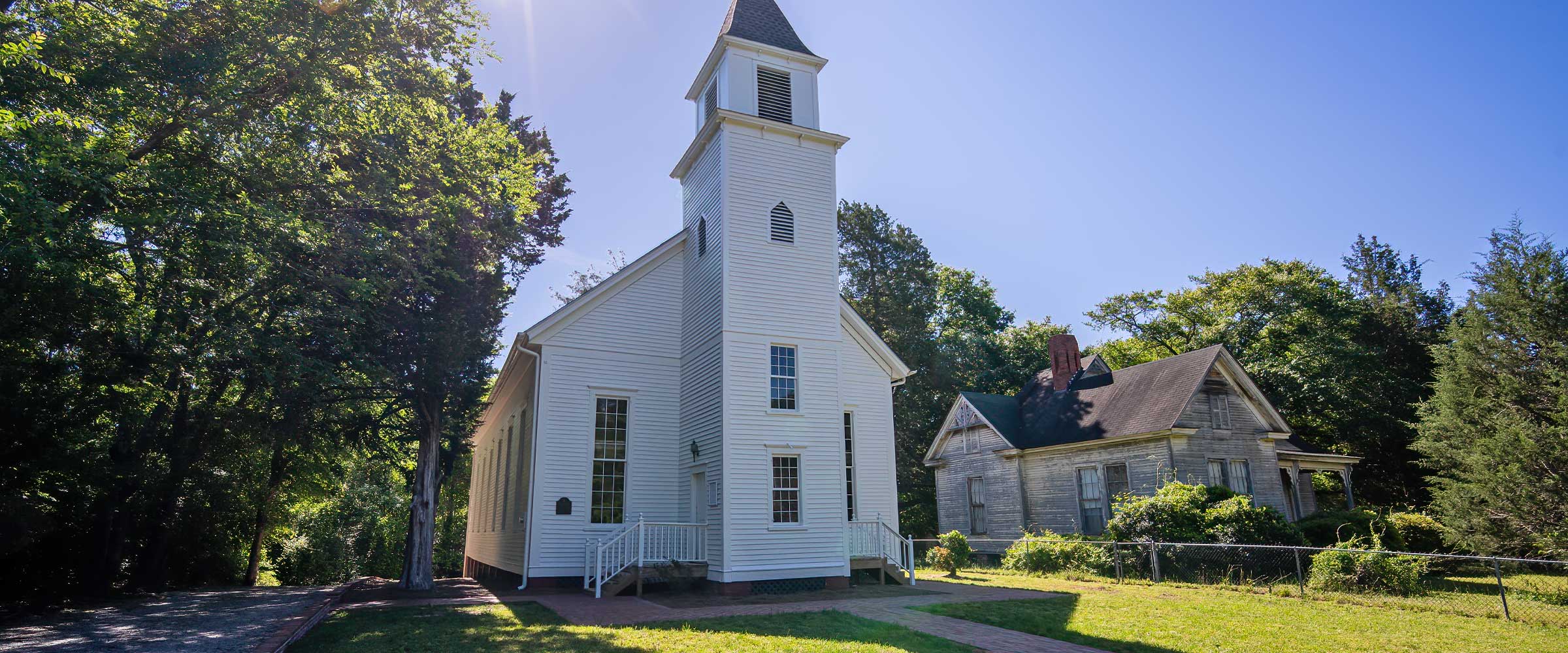
Led by figures like Father John Lemoin, the congregation grew steadily, supported by a shared mission and a deep sense of purpose. Over the years, the congregation built three churches in succession. The first was the original log church, which served the earliest Catholic settlers. In the 1820s, a second, wooden church was built within Locust Grove Cemetery and dedicated as the Church of the Purification; this building also served as Locust Grove Academy, the first Catholic school in Georgia. The third and current Church of the Purification was completed around 1883 and still stands today as a spiritual and historical anchor for the community.
A Preserved Landmark With Lasting Meaning
Today, the Church of the Purification remains a powerful symbol of early Catholic life in the South and reflects both religious devotion and the resilience of the settlers who founded it.
As a historic Catholic site in Georgia, it has been carefully maintained and restored over the decades to preserve its original beauty and meaning. The site continues to honor the legacy of those who built it—ensuring their story is not lost to time.
Visitors can explore the sanctuary, walk through the catholic cemetery, and experience a quiet space that feels largely unchanged. It’s a place where the past and present meet—where every detail, from the grounds to the structure, reflects a deep respect for heritage.
Part of a Larger Heritage Experience
The church is part of the broader Heritage campus—a peaceful retreat destination that spans over 200 acres.
While rooted in Catholic history, Heritage welcomes a wide range of visitors, including groups, organizations, and individuals seeking clarity, connection, and time away. Whether guests come from nearby areas like Atlanta, Savannah, or small towns like Sharon, GA, the experience is designed to feel welcoming and grounded.
Guests can explore the church, attend events, reflect in quiet surroundings, or simply take in the beauty of the land. For some, it’s a chance to reconnect with faith. For others, it’s about stepping into a place that encourages reflection and perspective.
Why the Church of the Purification Still Matters Today
There are many historic churches across the country, but few carry the same depth of story as the home of the first Catholic congregation in Georgia. From its origins as a small settlement of English and French Catholics to its role today as a preserved landmark, the church continues to hold meaning across generations.
That significance was recognized again in 2025, when the Archdiocese of Atlanta designated the Church of the Purification as one of six official pilgrimage churches for the Jubilee Year of Hope. Archbishop Gregory J. Hartmayer opened the pilgrim doors on February 2, 2025, the Feast of the Purification of the Blessed Virgin Mary, and the church welcomed pilgrims from across the archdiocese throughout the Holy Year—a fitting honor for the cradle of Catholicism in Georgia.
It represents:
- The roots of Catholicism in Georgia
- A lasting heritage shaped by early settlers and their ancestors
- A place to seek peace, reflection, and renewal
Even as the surrounding world has changed, the church remains steady—marked by its history, its purpose, and the community it continues to inspire.
Plan Your Visit
Whether you’re interested in early American Catholic history, exploring a unique historic site, or planning a visit as part of a retreat experience, the Church of the Purification in Georgia offers something rare. You can learn more about the church and its story.
If you’re planning a visit, Heritage provides a setting where history, beauty, and meaningful connection come together—creating space to reflect, explore, and experience something lasting.
FAQs About the Church of the Purification in Georgia
What is the Church of the Purification in Georgia?
The Church of the Purification in Georgia is recognized and one of the earliest Roman Catholic churches in the state of Georgia. It was established by the first Catholic congregation in the state who settled in the late 1700s, made up largely of French Catholics who settled in the area. Today, it remains a preserved historic site and a meaningful symbol of early Catholic life in Georgia.
Where is the Church of the Purification located?
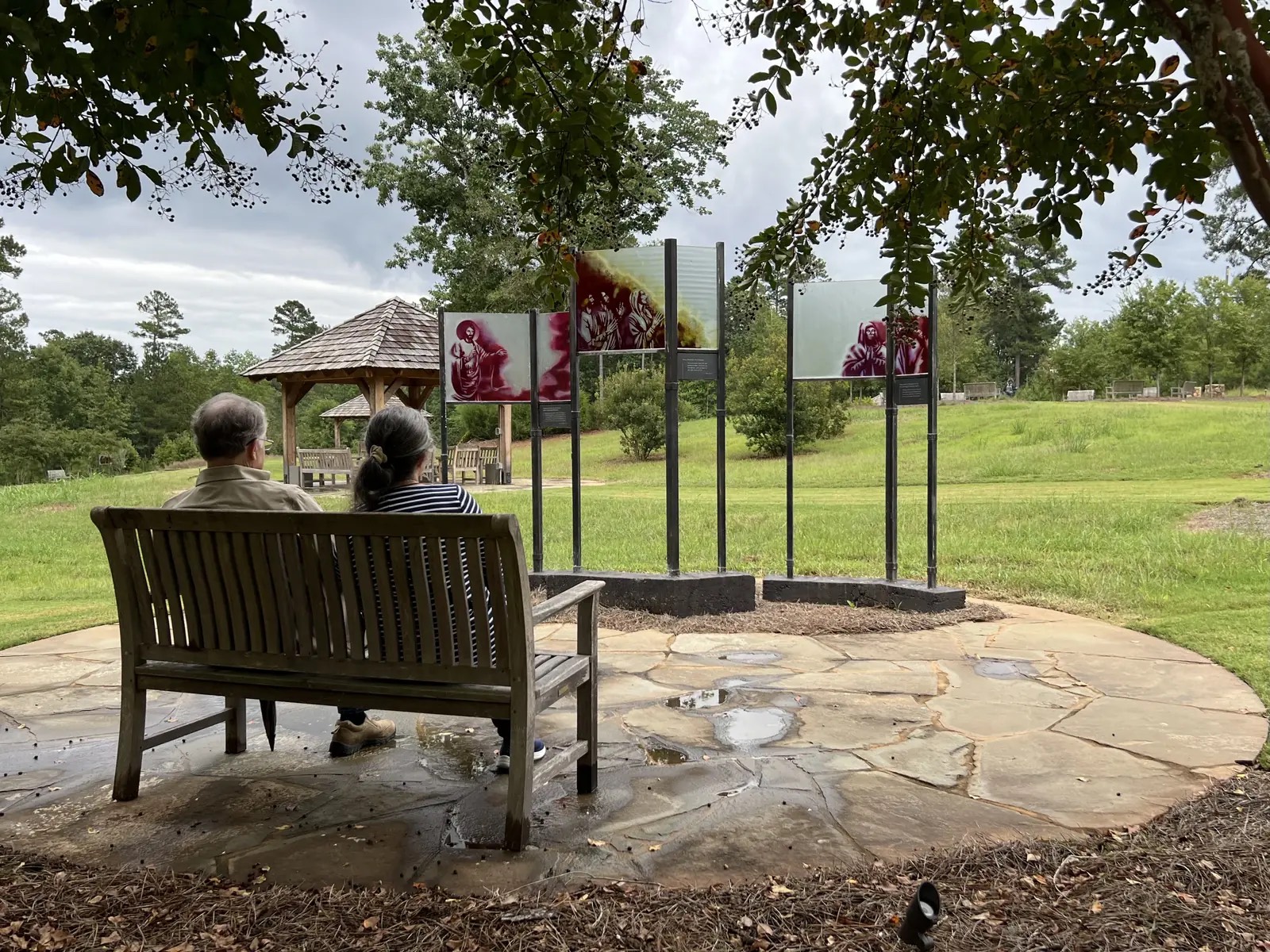
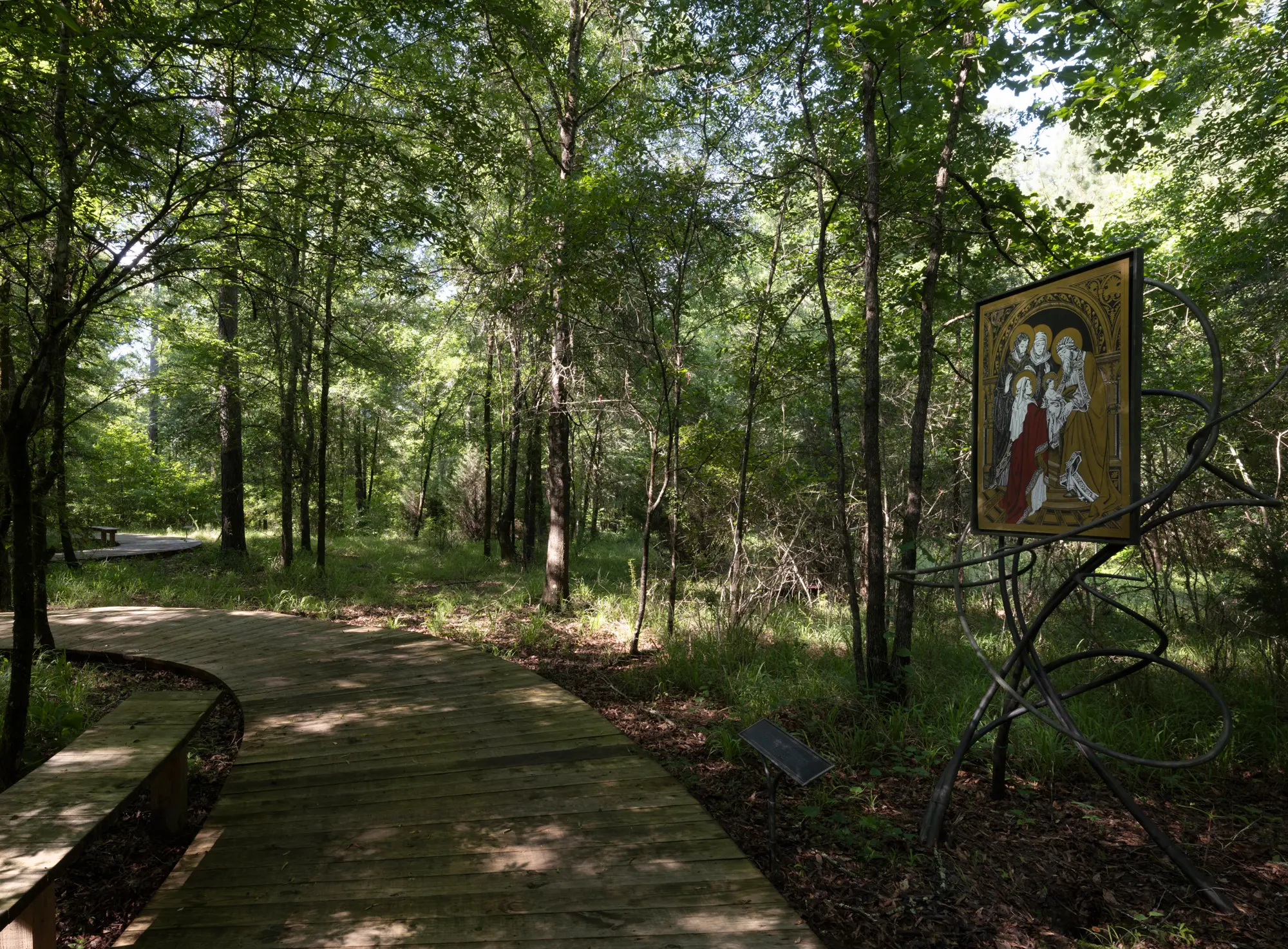
The church is located near Crawfordville in Taliaferro County, Georgia,. It is part of the Heritage district, a peaceful retreat destination that includes lodging, meeting space, prayer gardens, , walking areas, and the nearby historic Locust Grove Cemetery. The location adds to its quiet, reflective atmosphere and historical depth.
Is the Church of the Purification the first Catholic church in Georgia?
The Church of the Purification traces its roots to Georgia’s first Catholic congregation, established in the early 1790s. The current Church of the Purification was built in 1883 by that same historic Catholic community.
Can you visit the Church of the Purification today?
Yes, the Church of the Purification can be visited as part of the Heritage experience. Guests, retreat groups, and individuals are welcome to explore the church and surrounding grounds, including the historic Catholic cemetery. The site is maintained as both a place of history and a space for quiet reflection. Mass times can be found on the church calendar.
What is the significance of Locust Grove Cemetery?
Locust Grove Cemetery is the oldest Catholic cemetery in Georgia and is closely tied to the church’s history. It holds the graves of early settlers, including members of the first Catholic congregation who established the community. Visiting the cemetery offers a deeper understanding of the people and legacy behind this historic Catholic site.