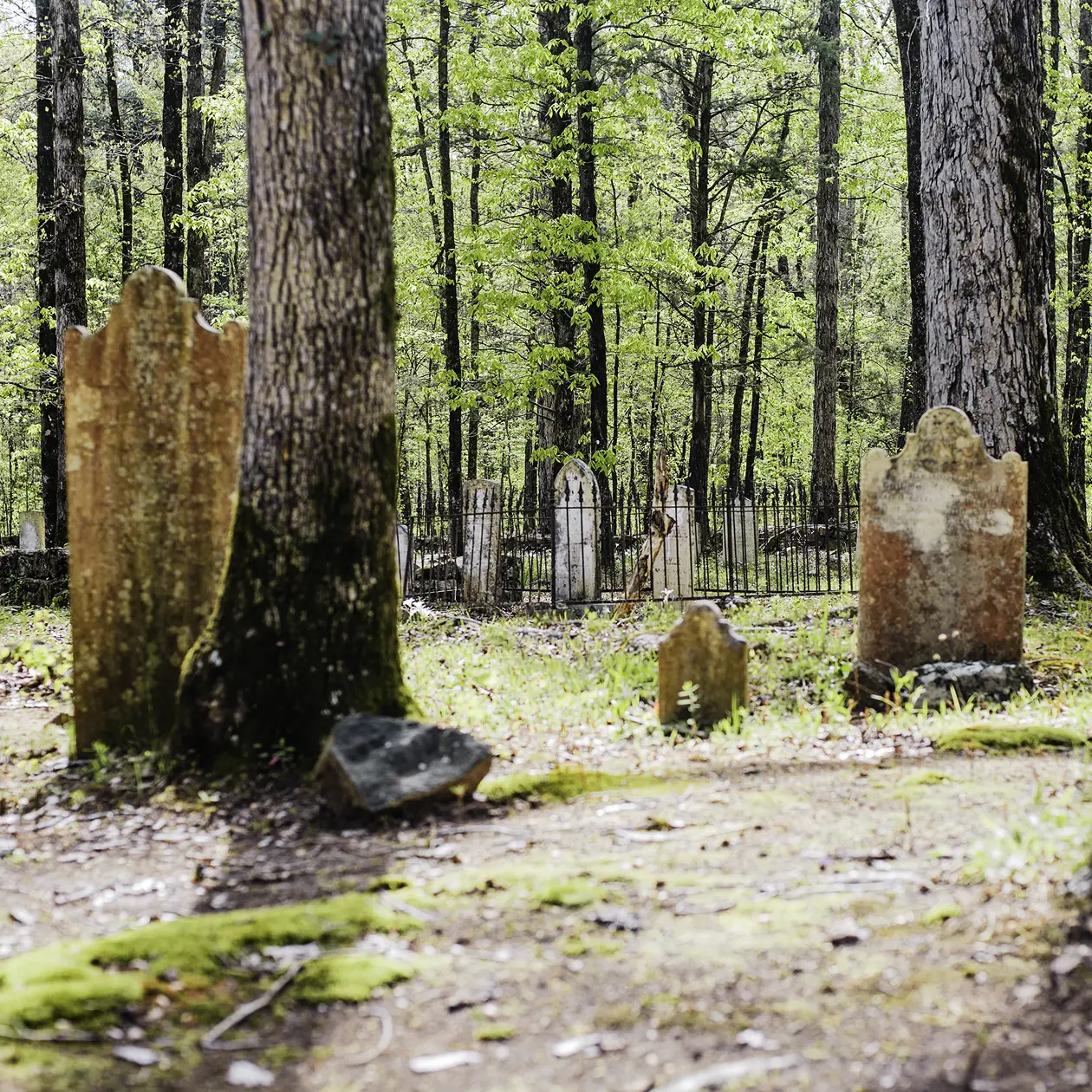
Tucked within the peaceful grounds of Heritage outside of Crawfordville, Georgia, Locust Grove Cemetery is more than a historic landmark. It is a place where history, memory, and reflection meet. Surrounded by the quiet beauty of Heritage’s 200 acres, this sacred space invites visitors to slow down and consider the lives that helped shape this part of Georgia.
For retreat guests, pilgrims, history enthusiasts, and travelers exploring Crawfordville, Georgia, Locust Grove Cemetery offers a meaningful experience that goes beyond sightseeing. It is a place to remember, to pray, and to reconnect with what matters most.
Whether you visit as part of a retreat, a personal pilgrimage, or a simple afternoon of exploration, the cemetery offers a unique opportunity to encounter both the past and the present in a setting marked by peace and reverence.
A Historic Landmark on Sacred Ground
Located within Georgia's oldest Catholic settlement, Locust Grove Cemetery stands as a reminder of the generations who lived, worked, worshiped, and built community on this land. Heritage itself preserves a remarkable chapter of Georgia history, including the historic Church of the Purification, recognized as the first Catholic congregation in the state.
The cemetery reflects that heritage. Walking among the graves, visitors encounter stories that span centuries. Historical information associated with the cemetery has been carefully recorded over time, helping preserve the memory of those who once lived in this community.
Locust Grove Cemetery is recognized as the oldest Catholic cemetery in Georgia, with roots dating back to 1790. Ongoing preservation efforts help protect the cemetery's historic character, including the care and maintenance of older grave markers that connect present-day visitors with earlier generations.
Many of those buried here were part of the early Catholic community that established roots in rural Georgia long before modern highways and cities transformed the landscape.
While some historical records provide only partial details, they still offer valuable insight into the lives of early settlers. In some cases, the first burial dates and family connections have been preserved through cemetery records and local history, while other details remain unknown.
The weathered headstones and quiet pathways speak to lives marked by faith, perseverance, family, and service. While the cemetery is undeniably historic, it is not simply a historical attraction. It remains a living place of remembrance where visitors can reflect on the enduring connection between past and present.
Those interested in exploring the site's history can learn more about Locust Grove Cemetery and its role within the broader Heritage property.
What Makes a Cemetery a Sacred Space?
A cemetery becomes sacred because it holds the memory of people whose lives continue to matter.
Every grave marker represents more than a date of birth and death. Together, the memorials create a lasting testament to generations whose stories continue to shape the identity of this historic place.
Across cultures and faith traditions, burial grounds serve as places where the living honor those who have gone before them. They remind us that every life leaves a legacy and that remembrance itself carries meaning.
Within the Catholic tradition, cemeteries have long been viewed as places of prayer and hope. They are not only places of mourning but also places where believers reflect on eternal life, the communion of saints, and the bonds that unite generations.
At Locust Grove Cemetery, visitors often discover a sense of stillness that is increasingly rare. The absence of distraction allows space for gratitude, reflection, and contemplation. For many guests, this atmosphere transforms a simple walk through the grounds into something deeper.
The Catholic Tradition of Praying for the Dead
For centuries, Catholics have prayed for those who have died, entrusting them to God's mercy and remembering them with love.
This tradition is especially visible during All Souls' Day, when the faithful gather to pray for departed family members, friends, and members of their communities. Yet prayer for the dead is not limited to a single day. It remains an ongoing practice rooted in remembrance and hope. The cemetery continues to serve as a place of remembrance today. Each year, visitors and members of the community gather for All Souls Day observances, continuing a longstanding tradition of praying for those who have gone before us.
Visiting a cemetery can become an act of prayer in itself. Standing before a grave, offering a moment of silence, reading a name, or reflecting on a life story can become a meaningful spiritual exercise.
Even visitors who do not share the Catholic faith often find something universal in this experience. Cemeteries invite us to consider the people who came before us, the values they carried, and the legacy we hope to leave behind.
At Heritage, these themes naturally complement the broader mission of renewal, reflection, and meaningful connection. The historic church, cemetery, and surrounding grounds provide opportunities for quiet contemplation that resonate with visitors from many backgrounds.
Experiencing a Prayer Walk Through Locust Grove Cemetery
One of the most meaningful ways to experience Locust Grove Cemetery is through a prayer walk.
A prayer walk is simply a deliberate walk taken with an attitude of reflection and attentiveness. Rather than rushing from one destination to another, participants move slowly, allowing their surroundings to guide moments of gratitude, prayer, or contemplation.
At the cemetery, a prayer walk might include:
- Reading names and dates on historic markers
- Reflecting on the passage of time
- Offering prayers for loved ones
- Practicing gratitude for life's blessings
- Meditating on scripture or spiritual readings
- Spending time in silence
There is no required format.
Some visitors spend time reading names and dates displayed on historic markers, while others pause at family plots to reflect on the passage of time and the connections between past and present.
Some visitors walk alone, while others incorporate the cemetery into a guided retreat experience.
The combination of natural beauty, historic significance, and quiet surroundings makes Locust Grove Cemetery an ideal setting for this type of spiritual practice.
A Meaningful Stop for Catholic Pilgrimages in Georgia
Many visitors seeking Catholic pilgrimages in Georgia are surprised to discover the historical significance of Heritage.
As the site of Georgia's oldest Catholic settlement, the property offers a rare opportunity to engage with the state's early Catholic history in an authentic setting. The historic church, cemetery, prayer spaces, and preserved grounds create an experience that feels both educational and deeply personal.
Pilgrimage is ultimately about more than reaching a destination. It is about creating space for reflection, spiritual growth, and encounter. Locust Grove Cemetery contributes to that journey by inviting visitors to remember those who walked this path before them.
For pilgrims exploring sacred sites throughout Georgia, the cemetery serves as a meaningful reminder of the faith communities that helped shape the region's history.
Discovering History in Crawfordville, Georgia
Visitors searching for things to do in Crawfordville GA often encounter a community rich in history and character. Visitors searching for Locust Grove Cemetery often discover that several historic cemeteries across the United States share the same name. The Crawfordville cemetery stands apart because of its connection to Georgia's oldest Catholic settlement and its role within the Heritage property.
Known for its connections to Georgia's past, Crawfordville offers a quieter alternative to larger tourist destinations. Heritage adds another dimension to that experience by preserving a significant piece of religious and cultural history within its expansive rural setting.
For travelers interested in local heritage, the cemetery provides a unique perspective on the people who once called this area home.
Various historical resources contain information about the cemetery and its residents. While some records have been copied from older documents and preservation efforts, they continue to provide meaningful context for understanding the settlement's history.
Combined with Heritage's walking trails, prayer gardens, historic church, and natural landscapes, Locust Grove Cemetery becomes part of a larger experience rooted in reflection and discovery.
Reflection as Part of the Retreat Experience
Many guests who participate in a silent retreat at Heritage or other spiritual retreats find themselves drawn to the cemetery during their stay.
Retreats create space to step away from daily demands and focus on deeper questions. The cemetery naturally supports that process by reminding visitors of life's brevity and significance.
In the stillness of the grounds, visitors often find themselves reflecting not only on those who have passed away but also on the hopes, dreams, and possibilities that remain ahead. The experience creates a sense of thoughtful waiting—a pause that allows deeper questions and insights to emerge.
Standing among generations who have already completed their earthly journey can bring clarity to our own priorities. It can sharpen our awareness of gratitude, purpose, relationships, and faith.
For some, the experience is deeply spiritual. For others, it is simply a moment of perspective. In either case, the cemetery offers a setting where meaningful reflection happens naturally.
If you are new to the retreat experience, Heritage's guide on what is a retreat offers additional insight into the value of stepping away for renewal and reflection.
A Place to Remember, Reflect, and Renew
Locust Grove Cemetery is not merely a collection of historic graves. It is a sacred space where history remains present, where prayer feels natural, and where visitors are invited to reflect on the lives that came before them.
Whether you arrive seeking historical insight, a peaceful prayer walk, or a deeper sense of connection, the cemetery offers a quiet invitation to pause and pay attention.
This page serves as an introduction to a place where history, memory, and contemplation come together. The cemetery reminds us that every life tells a story and that sometimes the most meaningful journeys begin in stillness.
As part of Heritage's historic grounds near Crawfordville, Georgia, Locust Grove Cemetery continues to serve as a place of remembrance, contemplation, and renewal. It reminds us that every life tells a story and that sometimes the most meaningful journeys begin in stillness.
If you are planning a visit to Heritage, consider setting aside time to explore Locust Grove Cemetery and experience this unique intersection of history, faith, and reflection for yourself.
FAQs
What is the history of Locust Grove Cemetery in Georgia?
Locust Grove Cemetery is located on the Heritage property outside of Crawfordville, Georgia, within Georgia's oldest Catholic settlement. Historical information about the cemetery has been recorded through preservation efforts, though some records remain partial. The site includes family plots, historic markers, and memorials that help tell the story of the generations who lived, worshipped, and were laid to rest here. The first burial dates back to the early years of the settlement, making the cemetery an important part of Georgia's Catholic heritage.
Can you pray at a historic cemetery?
Yes. Many visitors use historic cemeteries as places for prayer, meditation, and reflection. In the Catholic tradition, praying for the dead is a longstanding practice, but people of many backgrounds find cemeteries meaningful spaces for contemplation.
What is a prayer walk?
A prayer walk is a slow, intentional walk focused on prayer, reflection, gratitude, or spiritual awareness. At Locust Grove Cemetery, visitors often combine quiet walking with prayer, meditation, or personal reflection.
Is Locust Grove Cemetery open to Heritage visitors?
Visitors staying at or touring Heritage can explore the cemetery as part of the property's historic grounds. It is often included in personal visits, pilgrimages, and retreat experiences.
What other historic sites are near Crawfordville, Georgia?
Heritage itself contains several historic features, including Purification Church, Georgia's first Catholic congregation, prayer gardens, walking trails, and Locust Grove Cemetery. Together, these sites provide a unique opportunity to experience an important chapter of Georgia's history.
.jpg)
.jpg)