Choosing corporate retreat locations comes down to eight things: travel time, accommodations, meeting space, privacy, meals, gathering spaces, purpose or intended outcome, and total cost.
If you’re the HR lead, operations manager, executive assistant, or anyone else planning your company’s next corporate retreat, you already know the problem. Search for company retreats and you mostly get lists of places without a clear difference.
This guide gives you the criteria first, so you can find the right setting for your team or employees. Planning for senior staff? Our page on leadership retreats shows what a focused stay looks like in practice.
What Should You Look For in Corporate Retreat Locations?
Start with your people, not the venue. Then run every corporate retreat venue on your shortlist through this checklist:
- Travel time for attendees. A drive of two hours or less for most of the team.
- Group size and guest accommodations. Confirm all your guests can stay on property.
- Meeting and breakout space. You need multiple meeting or gathering spaces that hold the whole group, plus more informal spaces for breakouts and strategy sessions. Make sure there is Wi-Fi in each space.
- Privacy. At a shared resort, your team eats next to multiple rooms that may have weddings, private events, and other corporate groups. Exclusive use means the grounds, accommodations, the dining room, and every event space are yours.
- Meals and logistics on site. When the venue handles catering and the schedule, your planner gets to join the retreat experience instead of managing it.
- Outdoor space. Access to nature, a fire pit, and places to gather give people somewhere to relax and have fun between sessions, and some of the best conversations happen there.
- Fit with the retreat’s purpose. A business strategy offsite needs quiet and focus. A celebration needs energy. Pick the setting that suits the goal, then plan corporate retreat activities that support it.
- Total cost drivers. Compare the full cost per person, including travel, lodging, meals, and meeting rooms, not just the nightly rate.
Small corporate retreat locations need a closer look on items two and four. A larger group can disappear inside a resort built for large groups and corporate events.
At a smaller property, the same group can book the whole place.
How Do the Best Corporate Retreat Venues Balance Corporate Meetings and Downtime?
The best corporate retreat venues give you room for focused corporate meetings and real downtime in the same day. Teams need time to plan and time to talk, and the best venues make room for both.
A good rhythm is two or three working blocks a day, with meals, breaks, perhaps a walk outside, and an evening around the fire in between. Look for venues where the meeting spaces and the outdoors sit a short walk apart.
How Much Does a Corporate Retreat Cost?
A corporate retreat costs the sum of a few predictable drivers: travel, lodging, food, meetings, and informal gathering places.
Catering and dining options are where budgets quietly grow. A package that offers meals and meeting spaces keeps the number well understood.
The simplest fix is to ask every venue for one figure: the price per person, per night, with meals and meeting rooms included. Line those numbers up and each corporate retreat venue gets much easier to compare.
What Are the Best Destinations for Corporate Retreats?
The best destinations for corporate retreats are the ones your team can reach quickly and settle into without distraction.
City hotels are easy to fly into, but the city can pull people in different directions every evening.
Resorts offer plenty to do, though you share all of it with other guests.
Mountain lodges look great in photos, yet meals and logistics are not always well coordinated.
Rural retreat properties sit at the other end: quiet, peaceful, private, with lodging, meals, and meetings creating a natural rhythm for groups without having to think about logistics. Unique corporate retreat locations usually come from this last group, where historic land gives a team something to talk about long after the group retreat is over.
Are Corporate Retreats Still a Thing?
Yes, corporate retreats are still a thing, and hybrid work has given them a bigger job. When remote teams spend most of the year on video calls, a few days in the same place is where trust gets built and big decisions finally get made.
The format has shifted, though. Many companies now run shorter, smaller company retreats with one clear goal instead of large corporate events.
That trend favors properties where a single business can enjoy the peace of the place and have it all to themselves if they choose.
What Are the Best Retreat Centers in the US?
The best retreat centers look different from state to state, but they share the same bones. They give one group the property, offer private rooms with private baths, and serve every meal from arrival to departure.
They also have flexible rooms for meetings and real outdoor space, all within driving distance of a major city.
What Should You Ask a Corporate Retreat Venue Before You Book?
A 30-minute call with each retreat venue tells you more than any brochure. Ask first: will the venue host any other groups during your dates, and how many private guest rooms and baths are available?
From there, ask which meals are included and how they handle dietary needs. Find out who sets up for meetings and whether the Wi-Fi holds up in every room. Also ask whether there are places to catch some fresh air and smaller rooms for executive or small group gatherings, and what the per-person, per-night price covers.
Then check the drive time from your main office.
When Should You Book Your Next Corporate Retreat?
Book your next corporate retreat as early as you can, especially for spring and fall. Smaller properties that host one group at a time can fill popular dates early, so hold the date before you finalize the agenda.
Once the date is set, share the plan with employees early so they can relax and prepare.
Why Do Rural Settings Make Strong Company Retreat Locations?
Rural settings give company retreats fewer distractions and more privacy. Those advantages add up quickly when you compare team retreat locations side by side.
Executive retreat locations benefit most from that privacy. Senior leaders need somewhere sensitive conversations stay in the room, which is why the most productive executive retreats happen well outside cities and suburbs.
Why Does Rural Georgia Work for Southeast Teams?
Rural Georgia works because most Southeast teams can drive there. People coming from Atlanta, Macon, Augusta, or Greenville can reach the countryside in a few hours.
The state adds mild weather for much of the year, rolling hills, quiet back roads, and properties with real history. If your team is based in the region, corporate retreats in Georgia offer a true escape without a long trip.
Where Can Small Teams Have a Whole Retreat Property to Themselves?
Heritage is a private corporate retreat venue on 200 acres of quiet land in rural Georgia, under two hours from Atlanta. Groups book a whole-property buyout, with exclusive use of the entire property and no other groups on site, for up to 72 guests.
A stay includes:
- All 30 private guest accommodations, each with a private bath.
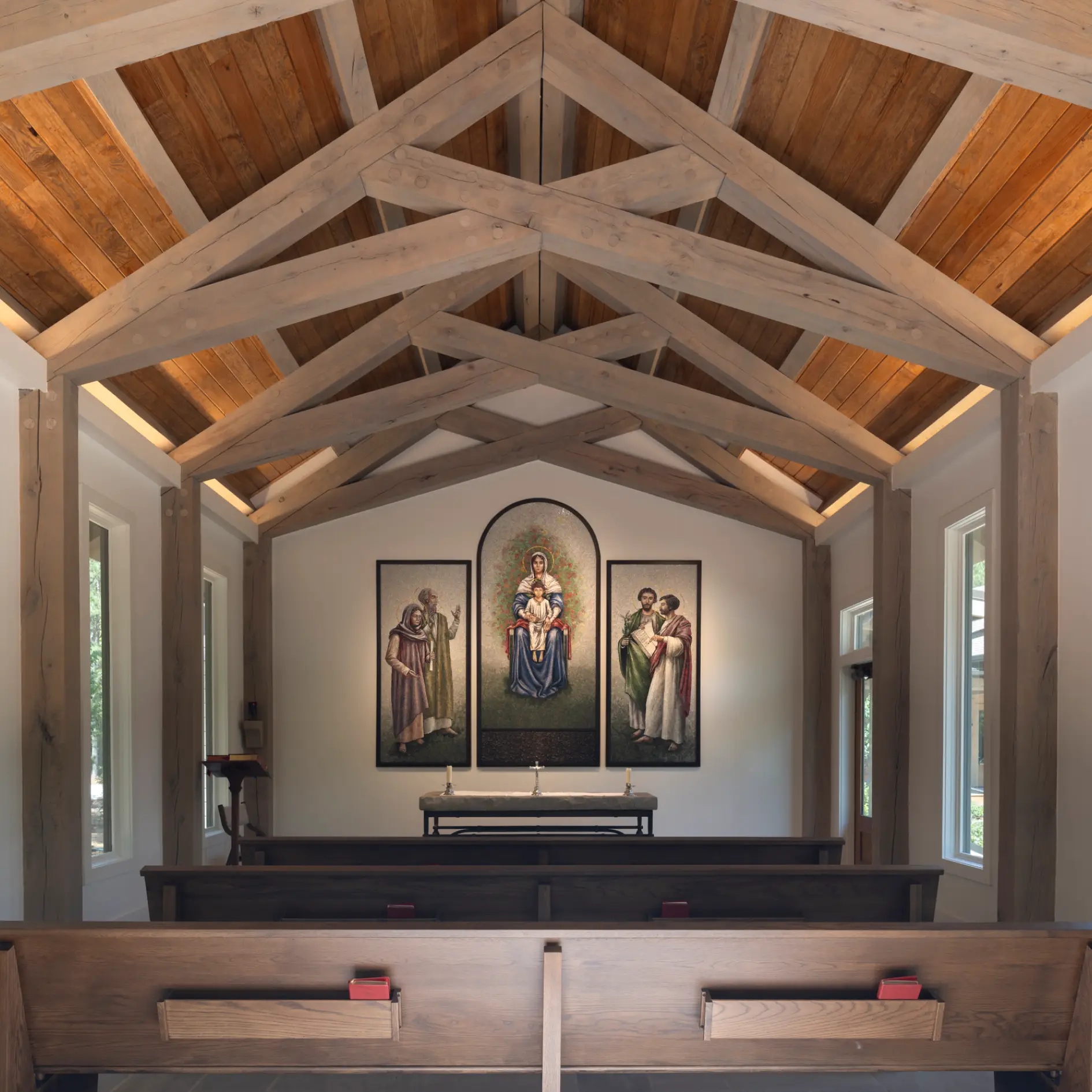
- The Pine Lodge meeting space, with a boardroom for up to 12, a classroom, a great room for up to 120 at round tables, and high-speed Wi-Fi throughout.
- Packages that cover lodging, meals, and meeting space, with day meetings available as well.
- Walking trails, a fishing pond, three fire pits, and prayer gardens.
A continental breakfast can be delivered to each cottage, or a hot buffet-style breakfast can be served in Pine Lodge. Lunch and dinner are also served buffet-style or plated in Pine Lodge. The hospitality staff supports your guests before, during, and after the stay.
Heritage is also home to Georgia’s oldest Catholic settlement, with a historic church and cemetery. The property is rooted in historic Christian heritage and welcoming to organizations who have Christian sensibilities.
If your team needs a place to think, plan, and reconnect, we would be happy to discuss dates.
Frequently Asked Questions
What Are the Best Destinations for Corporate Retreats?
The best destinations for corporate retreats are places your team can reach quickly that offer private lodging, meals, and meetings on one property. For Southeast-based teams, rural Georgia and Heritage stand out because most guests can drive in within a few hours.
How Much Does a Corporate Retreat Cost?
Cost depends on travel, lodging, meals, and meetings. Ask each venue for a per-person, per-night price that includes meals and meeting rooms, then add any travel so you can compare venues fairly.
Are Corporate Retreats Still a Thing?
Yes. Hybrid and remote teams now use company retreats to meet in person, make decisions, and build trust. Many companies have moved toward shorter, smaller retreats with a single goal, which makes private properties a better fit than hotels or resorts built for large groups.
What Are the Best Retreat Centers in the US?
The best retreat centers or venues offer exclusive use, private rooms with private baths, full meal service, flexible meeting spaces, and outdoor space within driving distance of a major city. Judge each center by those criteria rather than by its name or its photos.
What Makes a Good Team Retreat for Small Groups?
A good team retreat for a small group offers exclusive use, private rooms, and meals on site, so 15 to 70 employees never share space with others. Rural properties within a few hours’ drive of the office usually give small groups the most privacy for their budgets.
What Makes a Good Team Building Retreat?
Good team building retreats pair solid meeting spaces with outdoor space such as trails, a pond, or fire pits. That mix lets you run structured sessions and leave time for informal gatherings outside or in less formal spaces.