In May of 2016, a small gathering in Sharon, Georgia marked what seemed, at the time, like a modest beginning: a groundbreaking ceremony to restore a long-forgotten country church. Yet that moment—on the grounds of the Church of the Purification of the Blessed Virgin Mary—was not simply about construction. It was about recovery, identity, and mission. It was about remembering who we are as a Church and reimagining what that could mean for a rural community, for the state of Georgia, and for every individual who would one day walk those quiet paths.
Ten years later, what has emerged is far more than a restored building. It is a living mission—one that continues to shape communities, rekindle faith, and invite encounters.
A Beginning Rooted in History
The Church of the Purification is no ordinary structure. Its story stretches back to 1790, when Catholic settlers established the first Catholic community in Georgia in nearby Locust Grove.
Over generations, this community built churches, founded the state’s first Catholic school, and cultivated a vibrant spiritual life. By 1883, the present church in Sharon stood as a symbol of that faith. But like many rural communities in the South, Sharon declined in the 20th century. The church eventually fell silent—its doors closed, its future uncertain.
By 2014, it was listed as a “Place in Peril.”
The 2016 groundbreaking marked a turning point—not only for a building, but for a mission to reclaim what had been lost.
From Restoration to Vision
The early years of the Heritage mission focused on preservation: stabilizing the church, restoring windows and woodwork, rebuilding the bell tower, and returning the sanctuary to life.
But it quickly became clear that the mission was not simply about saving a historic site. It was about creating a place—rooted in beauty, history, and faith—where people could encounter God.
The mission is simple yet profound:
To provide a welcoming Catholic environment that serves local and faith communities through beauty, peace, and historical connection.
Over the past decade, that mission has taken physical form across the land:
- Prayer walks and sacred art installations
- Retreat spaces and gathering areas
- Preservation of cemeteries dating to the 18th century
- Development of cottages and hospitality infrastructure
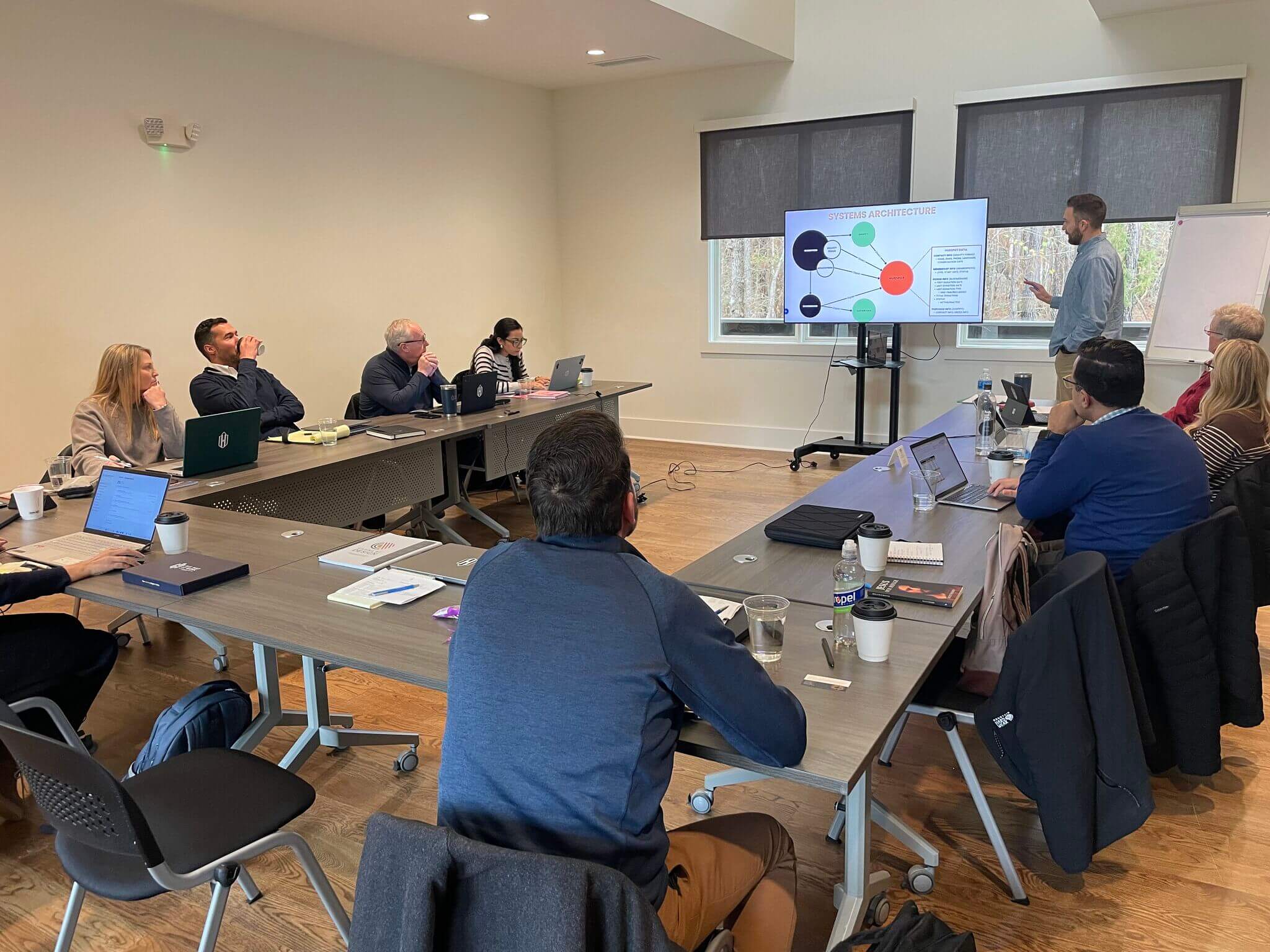
- A growing network of liturgical, educational, and spiritual offerings
What began as a restoration became a reimagining—a return not only to the past, but to purpose.
Impact on Sharon and Taliaferro County in Georgia
Perhaps the most tangible impact of Heritage is felt in its immediate surroundings.
Taliaferro County is one of the smallest and most economically challenged counties in Georgia. It is also, historically, a place of deep agricultural roots and limited access to resources—including fresh food.
Heritage has intentionally engaged this reality, not as an obstacle, but as a call to serve.
Plans for a sustainable farm—rooted in the same land where early Catholic settlers once grew crops—aim to address food insecurity and reconnect the community with its agricultural heritage.
Equally important is the presence Heritage brings. In a rural area often overlooked, Heritage has become:
- A destination that draws visitors and pilgrims
- A place of employment and volunteer engagement
- A source of renewed local pride
Where decline once defined the landscape, there is now movement—quiet, steady, and hopeful.
Heritage does not impose itself on the community. Instead, it grows alongside it, honoring its history while investing in its future.
Impact on the Church in Georgia
If Sharon represents the local impact, the broader Church in Georgia reflects the regional one.
The Church of the Purification is often described as the “cradle of Catholicism in Georgia.”
For decades, that cradle sat largely dormant—its story known by few, its significance fading from memory.
Heritage has helped restore that narrative.
Today, the site serves as:
- A pilgrimage destination
- A retreat center for parishes, clergy, and lay groups
- A living classroom for Catholic history in the South
Events like Masses, walking pilgrimages, and spiritual retreats reconnect modern Catholics with their roots—reminding them that the faith in Georgia did not begin in cities, but in rural fields and small communities.
In a time when many experience faith as abstract or disconnected, Heritage offers something different: a place where history, land, and sacrament converge.
It also reflects a broader movement within the Church—one that emphasizes beauty, encounter, and renewal as pathways to evangelization.
Impact on the Individual Visitor
Yet perhaps the most profound impact of the Heritage mission is not institutional or communal—it is personal.
Visitors come for many reasons:
- A quiet day away from the noise of modern life
- A retreat or spiritual reset
- Curiosity about history
- A pilgrimage rooted in faith
What they encounter is often unexpected.
There is a stillness to the land—a kind of sacred quiet that invites reflection. The restored church, simple yet luminous, speaks not through grandeur but through presence. The walking paths, lined with prayer and art, lead not only across the property, but inward.
Heritage was designed with this in mind. Its emphasis on beauty, hospitality, and intentional space reflects a belief that connection with God often begins with encounter—with place, with story, with silence.
Many leave with something difficult to articulate:
- A renewed sense of peace
- A deeper connection to faith
- A feeling of having stepped outside of time
In a fast-paced world, Heritage offers something countercultural:
an invitation to slow down, to listen, and to rediscover.
A Decade of Faith in Action
Looking back over ten years, the trajectory of Heritage is remarkable—not because of scale alone, but because of clarity.
From the beginning, the mission has remained consistent:
- To honor the past
- To serve the present
- To build for the future
What has changed is the scope.
What began with a single building now encompasses hundreds of acres of preserved land, a growing retreat infrastructure, and a vision that continues to unfold.
And yet, the heart of the mission remains the same as it was in 2016:
to restore not just a place, but a possibility.
Looking Forward
The next decade will likely bring continued growth—new programs, expanded outreach, deeper engagement with both local and statewide communities.
But the true measure of Heritage’s success will not be found in expansion alone.
It will be found in:
- A farmer in Taliaferro County who benefits from fresh food and opportunity
- A parish group that rediscovers the roots of their faith
- A visitor who leaves with renewed hope
- A priest who finds rest and renewal in retreat
It will be found in lives quietly transformed.
Conclusion: More Than a Place
Heritage is often described as a destination. But after ten years, it is clear that it is something more.
It is a bridge—between past and present, between local and universal, between history and living faith.
It is a reminder that even in the most unlikely places—in a small town, in a once-abandoned church, in a rural county—something sacred can begin again.
And perhaps that is the real story of these past ten years:
Not just that a church was restored,
but that a mission was reborn.