Sometimes, the best way to reconnect, with yourself, with others, or with God, is to step away from the busyness of daily life. Retreats offer that space: quiet mornings for reflection, a memorable weekend or midweek with loved ones, or a few days to breathe, reset, and gain perspective.
Retreat experiences vary widely. Some are personal and individual , offering time for prayer, meditation, or simply being still. Others bring people together, creating space to connect, share, and recharge. Ahead, we’ll explore different types of individual and group retreats, helping you find the experience that feels most meaningful for this moment in your life.
Types of Personal Retreats
Individual retreats provide a quieter, self-paced experience where you can focus on your own needs, thoughts, or faith life. Each personal retreat experience at Heritage is unique. Some guests set aside time for prayer at our intimate chapel, take walks through our historic grounds, or simply sit by the pond to be fully present. This retreat type is ideal for those seeking quiet reflection, moments of solitude, or an opportunity to recharge away from the usual pace of life. Individual retreats offer freedom and calm, letting you take some time alone and return feeling refreshed and centered.
Whether you’re looking for a brief pause over a weekend or a few days during the week to reset more deeply, personal retreats provide space to step back from daily demands, spend time in prayer, and focus on what matters most.
Spiritual Retreats
Spiritual retreats are centered on reflection, meaning, and inner renewal. For some, that includes prayer and deepening their relationship with God. For others, it may simply be a time to slow down, reflect, and reconnect with a sense of purpose.
These retreats often include quiet moments, guided reflection, or personal practices that support clarity and peace. The experience is flexible, allowing each guest to engage in a way that feels meaningful.
Wellness & Detox Retreats
Wellness and detox retreats focus on nurturing both body and mind, offering a structured pause to support physical and mental health. Guests often use rejuvenation retreats to rest, reduce stress, and restore well-being through gentle physical exercise, mindful routines, and nourishing meals.
Detox can take many forms, from dietary resets that refresh the body to digital detoxes that give your mind a break from screens and social media. More holistic retreats incorporate natural spa treatments or restorative practices, providing space to recharge, improve energy, and emerge feeling balanced and refreshed.
Silent Retreats
Silent retreats provide a dedicated space for stillness, allowing guests to step away from constant noise and distraction. With limited conversation, the focus shifts inward and creating room for deeper reflection, mental clarity, and emotional reset.
Whether rooted in spiritual practice or simply the need for quiet, silent retreats offer a rare opportunity to slow down and be fully present.
Other Personal Retreat Experiences
Individual retreats don’t have to follow a single routine. Some guests spend a weekend or holiday away from daily life to pause, rest, and reflect. Others enjoy creative retreats, where reading, art, or journaling exercises guide their time. Combination retreats are another option, blending guided sessions, nature walks, and quiet reflection, allowing each guest to find a rhythm that feels most meaningful.
For those seeking something more immersive, adventure retreats combine nature-based activities with personal growth, encouraging participants to step out of their comfort zones while supporting physical, mental, and spiritual rejuvenation. Culinary retreats or skill-building experiences offer another path, letting guests explore new practices, expand knowledge, and recharge in a focused, nurturing environment.
Each of these retreats focuses on personal choice and flexibility, helping guests discover a unique path that supports well-being, curiosity, and deeper connection.
Types of Group Retreats
Group retreats bring people together to share space, experiences, and meaningful moments. Whether it’s a church group, a circle of friends, a corporate team, or a small community, these retreats offer a supportive environment where attendees can connect, reflect, and grow together. Group retreats balance structure with free time, giving participants the chance to engage in shared activities while also stepping back to pause and recharge individually.
Retreat programs can include guided workshops, and purposeful group activities, all designed to foster collaboration, understanding, and connection. Skilled retreat leaders help facilitate the flow of the schedule, ensuring that each participant has the opportunity to engage at their own pace, explore new ideas, and build relationships within the group.
From weekday or weekend gatherings to multi-day retreats, these shared experiences offer a combination of reflection, learning, and connection, making group retreats a meaningful way to step away from daily life and embrace a rhythm of rest, focus, and community.
Spiritual & Faith-Based Group Retreats
Spiritual and faith-based group retreats offer a space for shared reflection, prayer, and learning within a supportive community. These retreats often include workshops, guided sessions, and moments of quiet contemplation, helping participants explore their spiritual journey together while deepening their connection with God and one another.
Whether hosted for church groups, ministry teams, or faith communities, these retreats provide opportunities to engage with belief systems in a meaningful way, strengthen bonds within the group, and pause from daily routines to focus on shared growth and reflection.
Corporate Retreats & Meetings
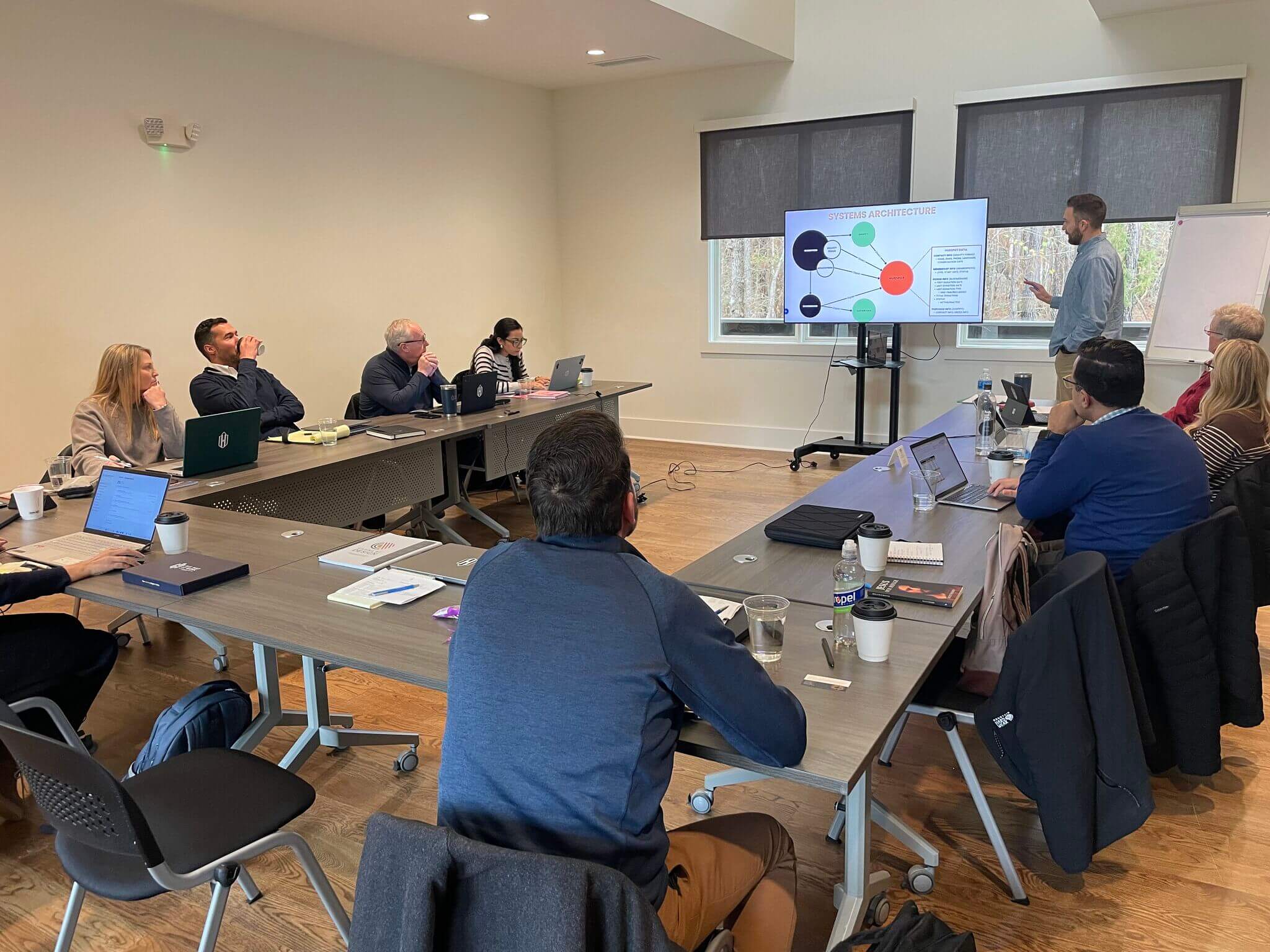
Corporate retreats and team gatherings provide space for organizations to step away from daily operations and focus on what’s ahead. Whether planning your next corporate retreat, hosting leadership meetings, or organizing team building activities, these experiences support clearer thinking and stronger collaboration.
A change of environment allows teams to reset, align on goals, and build momentum while still making time for meaningful connection.
Strategic & Planning Retreats
Strategic and planning retreats give teams or groups the opportunity to step away from their usual environment and focus on alignment and collaboration. These retreats provide a structured space for goal setting, guided discussions, and thoughtful reflection, helping participants gain perspective and explore the next steps with intention.
Whether for a ministry team, an organization, or a project group, many retreats focus on creating an environment where teamwork thrives, decisions are considered with care, and participants can approach challenges with renewed focus and proper guidance.
Wellness & Active Group Retreats
Wellness and active group retreats blend movement and restorative time in nature to support both physical and mental health. Participants can enjoy light physical exercise, guided reflection, or gentle group activities that balance energy with rest, helping to refresh the body and clear the mind.
These retreats often take place in open, natural settings, allowing guests to breathe fresh air, connect with their surroundings, and focus on wellness goals at a pace that feels invigorating but not overwhelming. Whether seeking a reset for the body, an opportunity to move together, or simply a break from routine, these retreats offer space to recharge and reconnect.
Other Group Retreat Formats
Beyond structured programs, some groups gather simply to connect, recharge, and enjoy time together. Families can use these retreats to strengthen bonds, share meals, or explore nature together, carving out moments of quality time away from daily routines.
Holiday or seasonal gatherings offer multi-day opportunities for friends, neighbors, or extended communities to celebrate milestones, enjoy quiet reflection, or simply step back from the busyness of life. These retreats often blend rest, shared activities, and casual moments to laugh, reflect, and connect.
Community or church groups may also come together for fellowship, service, or informal learning, creating supportive environments where everyone can participate at their own pace. In all cases, these retreats offer space to relax, focus, and engage with others in meaningful ways.
Marriage Retreats
Marriage retreats offer couples intentional time to reconnect away from daily responsibilities. In a calm, distraction-free setting, couples can focus on communication, reflection, and shared experiences that strengthen their relationship.
Whether structured or self-guided, these retreats create space to slow down and be present with one another.
Family Reunions
Family reunions provide a chance to gather, reconnect, and create lasting memories across generations. With space to share meals, explore the outdoors, and spend quality time together, these retreats bring families closer in a relaxed and meaningful way.
Women’s Retreats
Women’s retreats create a supportive space for connection, reflection, and renewal. Whether focused on personal growth, shared experiences, or simply time away, these retreats encourage meaningful conversations and a sense of community and fellowship.
Men’s Retreats
Men’s retreats offer an environment for reflection, connection, and personal growth. These gatherings may include group discussions, outdoor activities, or quiet time, creating a balance between shared experience and individual reflection.
Catholic Pilgrimages
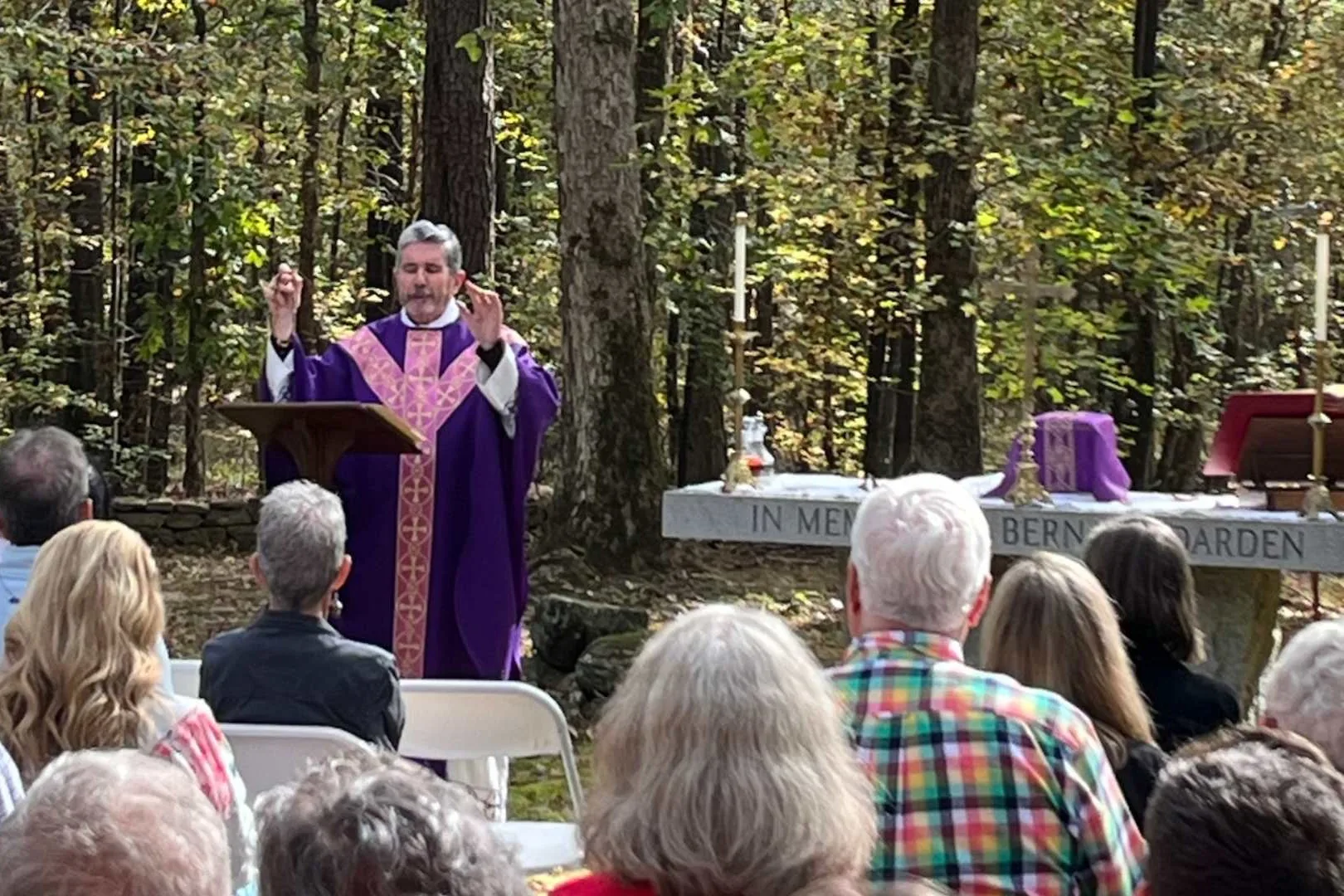
Catholic pilgrimages offer a unique opportunity to engage with history, tradition, and faith through place. At Heritage, the historic church and grounds provide a meaningful setting for reflection, prayer, and connection to early Catholic roots in Georgia.
These experiences can be both personal and communal, blending history with moments of quiet reflection.
Choosing the Right Type of Retreat
Selecting a retreat that fits your needs starts with a few key considerations. Are you seeking quiet reflection or shared experiences with others? Do you have a weekend, a few weekdays, or a longer period to dedicate to rest and renewal?
Understanding these factors can guide you toward the retreat type that will be most beneficial. Individual retreats provide space for meditation, prayer, and introspection, while group retreats foster connection, structured activities, and supportive community. Reflect on your prior experience, energy level, and the focus you wish to bring to your time away. Even small decisions—such as the balance between rest and activity, opportunities for spiritual or creative practice, or the pace of the schedule—can shape a meaningful retreat experience and support personal growth.
By considering these elements in advance, you can choose a retreat that aligns with your goals, your rhythm, and the period you’ve set aside, ensuring the time is purposeful, restorative, and enriching.
Which Type of Retreat Will You Choose?
Whether you’re seeking quiet moments on your own or meaningful time with others, Heritage provides a setting to make each retreat experience your own. Guests can pause for reflection in the chapel, curl up with a book in the cozy library, or enjoy a morning stroll along winding walking trails and prayer gardens.
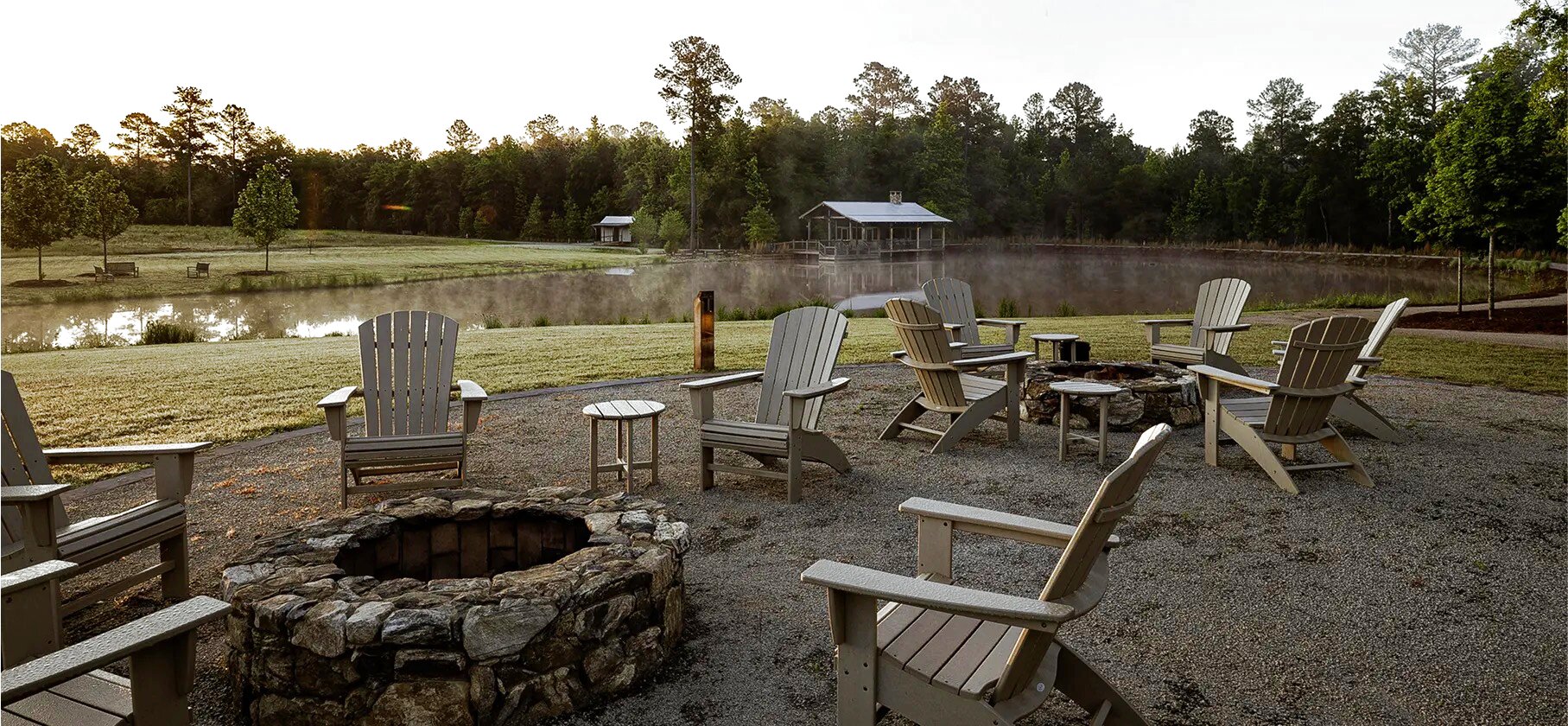
For shared experiences, the grounds offer spaces to connect and recharge together. Friends and small groups can gather in the Pond House, around fire pits, share stories, or fish at the pond, while families can explore open courtyards and outdoor seating areas that invite conversation and connection.
At the heart of the property, Pine Lodge serves as a versatile hub for larger gatherings. Multiple meeting rooms, a spacious dining area, and a screened porch create opportunities for group activities, workshops, or simple moments of togetherness—all framed by the gardens, Georgia pines, and nature surrounding the lodge. Across the grounds, every corner offers a chance to rest, reflect, or discover something new.
Here at Heritage, a retreat means having the space to think, pray, and move through your days at your own pace, returning ready to act on what matters most.
Frequently Asked Questions
What are the different types of retreats available?
There are many types of retreats designed to fit different needs and seasons of life. Common options include individual retreats, spiritual retreats, silent retreats, corporate retreats, marriage retreats, family reunions, women’s and men’s retreats, and faith-based experiences such as Catholic pilgrimages. Each offers a different balance of reflection, connection, and structured or unstructured activity.
What is the difference between an individual retreat and a group retreat?
An individual retreat is typically self-guided and focused on personal reflection, rest, or spiritual growth. A group retreat brings people together—such as teams, families, or communities—and often includes shared activities, discussions, or structured sessions alongside free time.
Are retreats only for religious or faith-based groups?
No. While some retreats include spiritual elements, many are designed for a broader audience. Organizations, business leadership teams, nonprofits, families, and individuals all use retreats as a way to step away from routine, reconnect, and focus on what matters most.
What happens during a corporate or team retreat?
Corporate retreats and team gatherings often include a mix of strategic planning, team building activities, and time for informal connection. Stepping away from the usual work environment and into nature helps teams collaborate more effectively, think creatively, and align on goals.
What is a silent retreat and who is it for?
A silent retreat is designed to minimize conversation and external distractions, allowing participants to focus inward. It’s ideal for those seeking deep reflection, mental clarity, or simply a break from constant noise and stimulation.
How do I choose the right type of retreat?
Start by considering your goals. If you need rest and personal reflection, an individual or silent retreat may be the best fit. If you’re looking to strengthen relationships or collaborate with others, a group retreat, such as a corporate retreat, marriage retreat, or family gathering, may be more appropriate.
How long should a retreat last?
Retreats can range from a few hours to several days. Weekend retreats are common, but stays during the week also can allow for deeper reflection, stronger connections, and a more meaningful reset.
What should I look for in a retreat location?
A good retreat location offers a peaceful setting, comfortable private accommodations, and spaces that support both reflection and connection. Access to nature, flexible gathering areas, and thoughtful amenities can make a significant difference in the overall experience.